Blast walls, rocket attacks, Forward Operating Bases (FOBs), Improvised Explosive Devices (IEDs)... and long queues in the canteen. Anyone who deployed to Afghanistan, in whatever role, between 2001-2021 will have their own vivid memories of that time.
It started with the flight in – to Kandahar, Kabul or Camp Bastion. It could be a long, slow descent with the lights out on an RAF jet, or a rapid, corkscrew down in a C-130 transport plane. In both cases the aim was to avoid being blown out of the air by a Taliban surface-to-air missile.
Over the course of 20 years, thousands of servicemen and women, as well as civilians, from dozens of countries deployed to Afghanistan, answering the US call for assistance following the 9/11 attacks.
The call came in the form of invoking NATO's Article 5 of its charter, the first time it ever happened. America was reeling from the devastating 9/11 attacks when al-Qaeda, sheltered by the Taliban in Afghanistan, murdered nearly 3,000 people.
Swiftly, the Taliban were driven from power by a coalition, including the US military and Afghanistan's Northern Alliance. Efforts quickly turned to hunting down remnants of al-Qaeda leading to the eventual capture of Osama Bin Laden a decade later.
The first two years of the US-led Operation Enduring Freedom were relatively quiet, but as America shifted focus to Iraq, Afghanistan was often neglected, leading soldiers desiring recognition for their sacrifices.
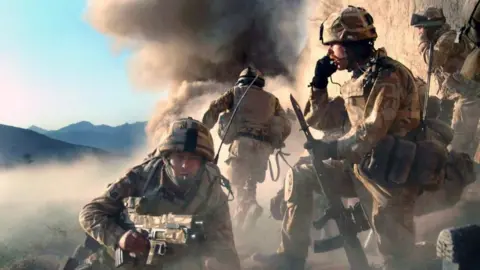
However, the UK military’s engagement ramped up post-2006, with heightened combat in Helmand province. The brutality of the fighting shocked many, as UK and allied troops faced fierce resistance from the Taliban.
By the end of combat operations in 2014, it was clear that the sacrifices extended far beyond American soldiers; troops from Britain, Canada, Denmark, and others faced harrowing battles, with many Afghan fighters also courageously battling for their homeland.
IEDs became a soldier’s greatest fear, and the unpredictability of these devices meant troops often entered patrols praying for mere injuries rather than fatalities. The resilience of those affected—many turned their tragic experiences into sources of inspiration, showcasing the human will to fight back.
This struggle highlights why there’s outrage at claims suggesting NATO troops avoided the bitter realities of fighting in Afghanistan.