In brief
After Ayatollah Ali Khamenei’s assassination, Tehran’s streets filled with mourners, chants, and a colossal ceremonial procession. The government used the funeral to reinforce calls for resistance, vow revenge against the US and Israel, and promise a new era for the Islamic Republic. Amid economic hardship and youth protests, the spectacle sought to rally hard‑liners while also managing image abroad.
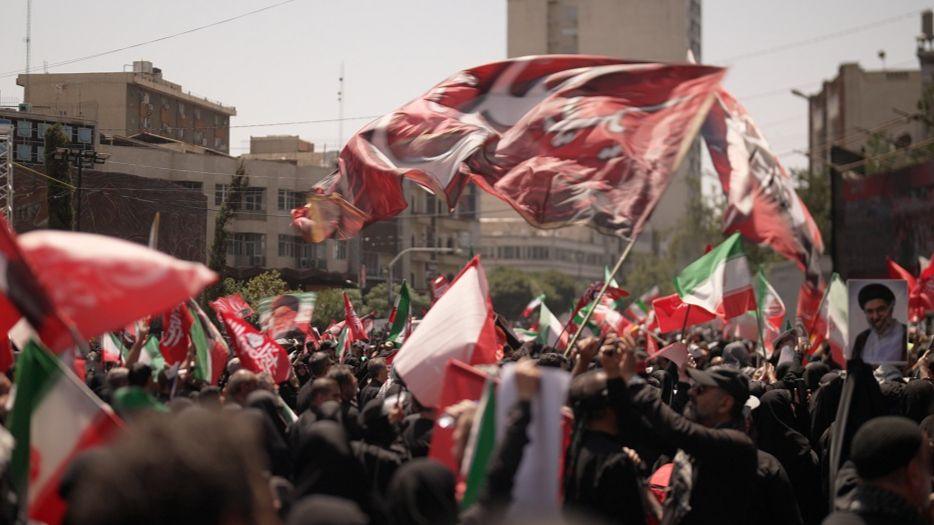
For three days, Tehran’s streets became a colossal arena of mourning and defiance. The 10km parade of Khamenei’s coffin and family caskets‑filled trucks steamed slowly through the city, stopped by millions of mourners clutching banners and chanting “Death to America” and “Death to Israel.” The spectacle was part of a carefully choreographed political message: resistance and revenge.
Yet many Iranians stayed away. Half‑billion‑dollar inflation, war fatigue and the echo of January protests weighed heavy. A man told us outside a “mookeb” (a government‑run feed‑station) that he would not attend because “the war hardens our jobs and pushes us into unhappiness.”
On the festival’s most dramatic day, the trucks were covered in Iranian flags and Arabic calligraphy. Inside the tote, 14‑month‑old granddaughter Zara’s casket was captured, symbolizing the regime’s narrative of blood‑martyrdom. The crowd’s red‑black‑white colors amplified shouts of revenge, translated into English for foreign journalists to broadcast.
In a rare concession, Iran’s new president Masoud Pezeshkian refuted US President Donald Trump’s claim of “fake tears.” The official stance was that the grief was sincere and that the nation’s future would be “reverent and resilient.”
Beyond Tehran, the funeral moved to sacred Muslim sites in Qom, Najaf, Karbala, and finally to the Imam Reza Shrine in Mashhad, reinforcing Khamenei’s mythic status across Shia communities.
Meanwhile, hard‑liners within the Iranian elite saw the procession as a platform for new rhetoric: “Our revenge is inevitable,” “They will pay. Hard.” Protest slogans were even echoed by foreigners, including 400 social media influencers, who urged journalists to “tell the truth.”
While the spectacle resembled a political rally, some voices whispered that in Tehran’s 2026 march, the true revolution echoes—like those of 2023—were beginning to surface. Yet the challenge remains: can the new leaders manage war‑eroded finances, ongoing sanctions, and an uncertain public mood while keeping the world’s eye on Tehran’s defiant heart?