This article contains sensitive content, including graphic descriptions of death that some readers may find upsetting.
John Simpson, BBC's World Affairs Editor, has witnessed over 40 wars during his career. Looking back at 2025, he declares it the most concerning year yet, not just because multiple major conflicts are occurring but due to their immense potential for geopolitical upheaval.
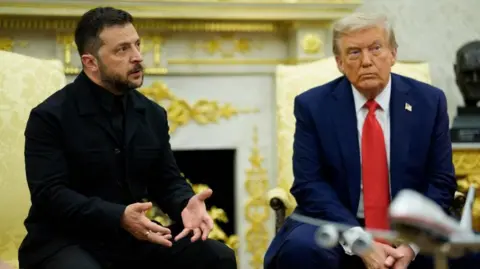
President Volodymyr Zelensky of Ukraine has voiced fears that their conflict may escalate into World War III. With nearly 60 years of reporting experience, Simpson resonates with Zelensky’s alarm.
2025 has seen significant war-related tragedies: 14,000 civilians lost in Ukraine, a brutal ongoing conflict in Gaza with over 70,000 Palestinian casualties, and a brutal civil war in Sudan claiming over 150,000 lives. While recent ceasefires in places like Gaza have reduced immediate deaths, Simpson notes that underlying tensions remain dangerously unresolved.
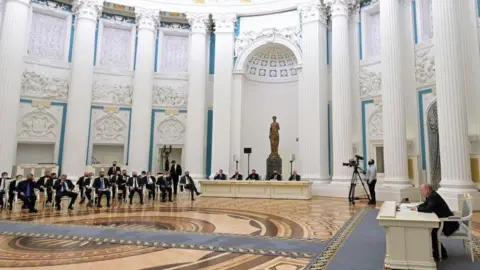
The global powers seem paralyzed as Russia continues its aggressive stance, increasing pressure on NATO countries and sowing discord throughout Europe. As Simpson highlights, the landscape of international relations in 2025 is starkly different from that of the past, where protective measures against potential combatants kept conventional wars from expanding into global conflicts.
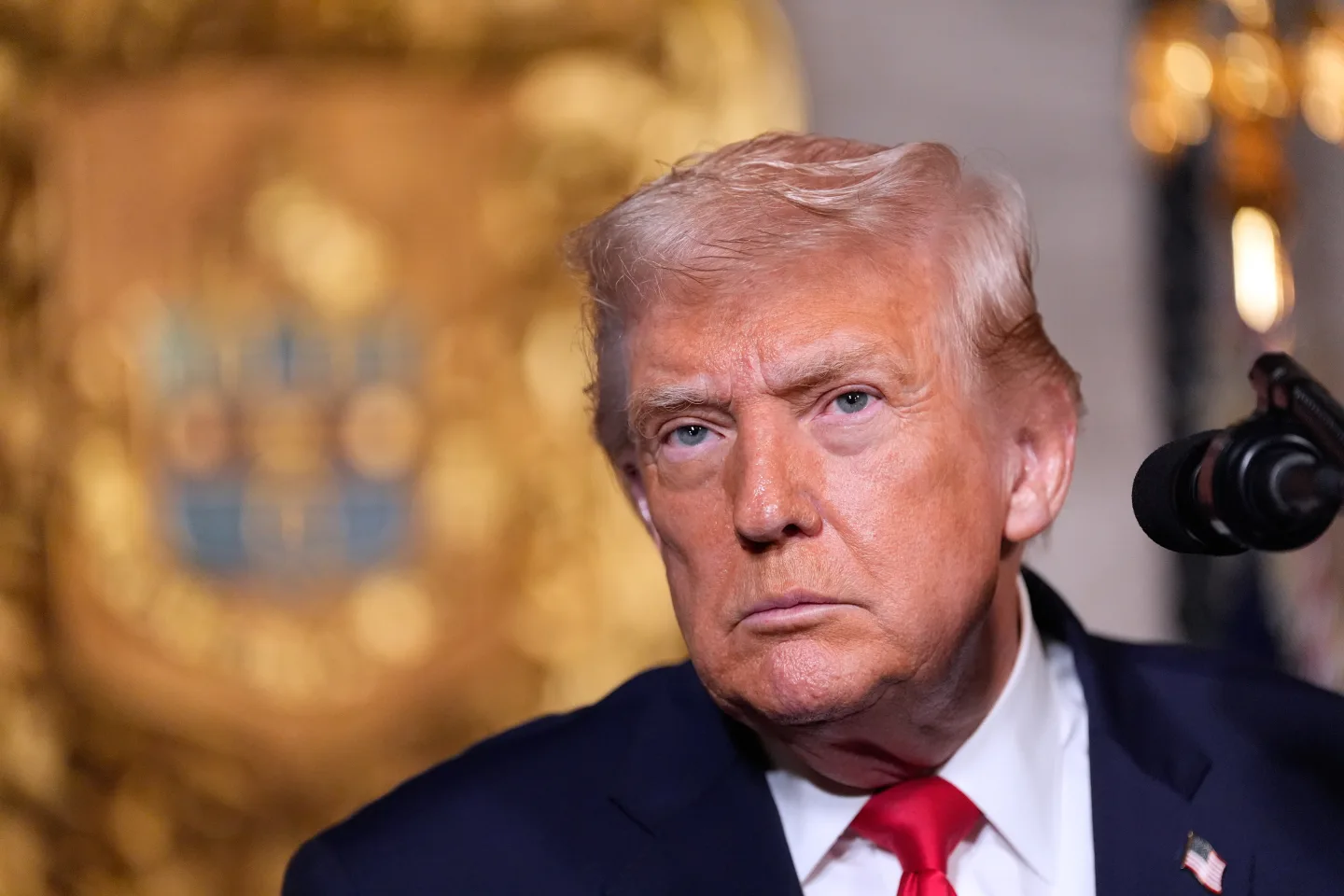
Looking ahead to 2026, Simpson worries about the possibility of Ukraine conceding territory to secure peace, questioning if this will invite further aggression from Russia. He warns that the current state of American politics may leave Europe exposed, with America appearing increasingly isolationist.
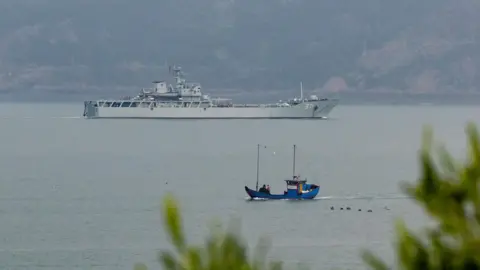
In addition to the wars in Ukraine and Gaza, tensions around Taiwan under President Xi Jinping’s leadership add to global uncertainties. Simpson warns that China's actions in the coming years will be crucial for shaping the future geopolitical landscape.
Simpson concludes cautioning that increasing geopolitical maneuvers could lead to severe implications for world peace, threatening to fracture the alliances established after World War II, hinting at a precarious journey ahead in international relations.