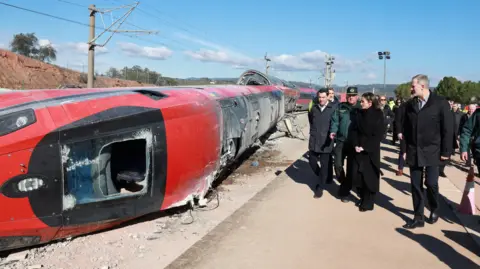
On Sunday, January 18, 2026, a catastrophic high-speed train crash in southern Spain claimed at least 42 lives, marking the country's worst rail disaster in over a decade. The incident has left the nation in shock, prompting questions about the safety and reliability of one of Europe's most respected rail systems.
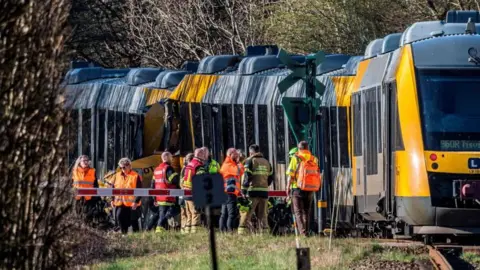
A train traveling from Málaga derailed, colliding with an oncoming train, leading to extensive wreckage near Adamuz. This event has ignited a nationwide investigation by the CIAF rail investigatory commission to uncover the cause of this tragic failure.
Spanish authorities have described the accident as extremely strange, especially considering the long history of safe operations on this route since its inauguration in 1992.
As investigators dig deeper into the circumstances surrounding the collision, they are focusing on the derailed train, operated by Italian firm Iryo, and specifically examining the technical issues related to the track. It has been uncovered that broken track pieces may have contributed to the derailment, but officials have cautioned against jumping to conclusions as damage could also stem from the incident itself.
Moreover, a series of concerns over track conditions have been highlighted by rail infrastructure administrator Adif, who previously warned of technical issues affecting the AVE network. With many passengers voicing anxiety about their safety in recent months, there are fears that this tragic accident might unveil deeper systemic problems.
In the wake of the disaster, Spanish Prime Minister Pedro Sánchez has promised a transparent investigation and declared three days of national mourning, emphasizing the need for answers for the grieving families and the public. The future of Spain's esteemed high-speed rail network hangs in the balance as the investigation continues.
A train traveling from Málaga derailed, colliding with an oncoming train, leading to extensive wreckage near Adamuz. This event has ignited a nationwide investigation by the CIAF rail investigatory commission to uncover the cause of this tragic failure.
Spanish authorities have described the accident as extremely strange, especially considering the long history of safe operations on this route since its inauguration in 1992.
As investigators dig deeper into the circumstances surrounding the collision, they are focusing on the derailed train, operated by Italian firm Iryo, and specifically examining the technical issues related to the track. It has been uncovered that broken track pieces may have contributed to the derailment, but officials have cautioned against jumping to conclusions as damage could also stem from the incident itself.
Moreover, a series of concerns over track conditions have been highlighted by rail infrastructure administrator Adif, who previously warned of technical issues affecting the AVE network. With many passengers voicing anxiety about their safety in recent months, there are fears that this tragic accident might unveil deeper systemic problems.
In the wake of the disaster, Spanish Prime Minister Pedro Sánchez has promised a transparent investigation and declared three days of national mourning, emphasizing the need for answers for the grieving families and the public. The future of Spain's esteemed high-speed rail network hangs in the balance as the investigation continues.