In brief
President Donald Trump claims a historic US‑Venezuela agreement will give the U.S. control over 65 billion barrels of Venezuelan oil, saying it will double American reserves and slash gas prices. The deal, touted by Venezuela’s interim president as an economic revival, is met with skepticism about whether it can overcome years of sanctions and infrastructure damage. Trump’s claims were made after the U.S. seized ex‑President Nicolás Maduro. Analysts warn that the plan may violate Venezuelan law and face lengthy implementation hurdles.
President Donald Trump has announced a deal that gives the U.S. control of more than 65 billion barrels of Venezuela’s proven oil reserves, calling it historic and saying it will double American oil stocks and lower gas costs.
Venezuela’s interim president, Delcy Rodríguez, said the agreement would revive the country’s economy and create powerful jobs.
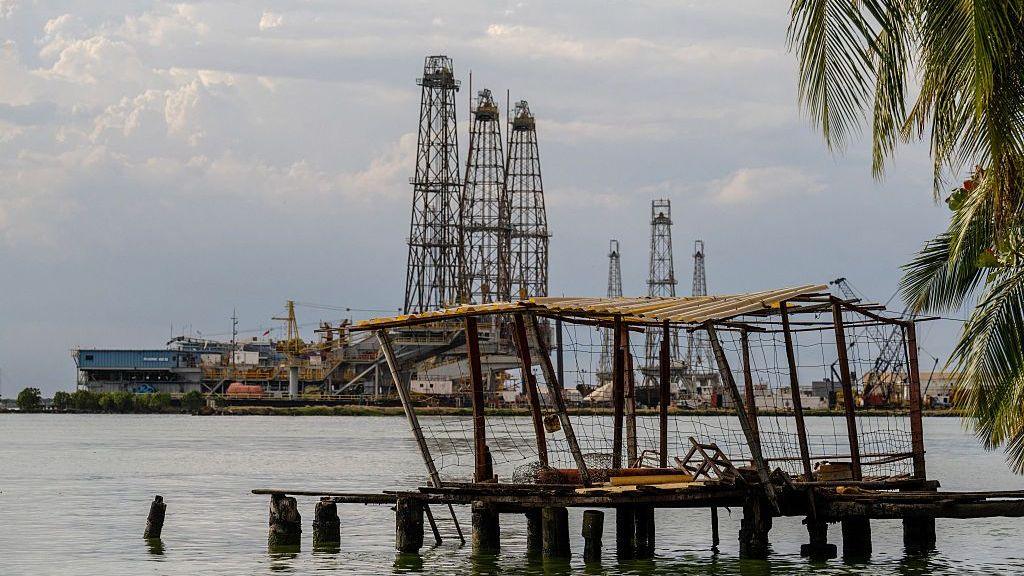
But analysts are wary: Venezuela’s oil rigs haven’t produced in years because of sanctions, a weak grid and political turmoil. It’s unclear if the U.S. can actually run these fields or if the deal violates Venezuelan law.
Trump’s pitch follows the U.S. seizure of former President Nicolás Maduro, who was taken in a raid and later faced charges in New York.
U.S. Secretary of State Marco Rubio hailed the partnership as a win for both sides, but details are sparse.
The agreement would give the U.S. 55% control in a joint venture with a private operator in Venezuela—a move never before seen by an American government.
Energy companies like Chevron and Halliburton are reportedly close to investing billions to rebuild Venezuela’s damaged oil facilities, though the timeline for a shift in gas prices is unclear.
While Trump touts the deal as a fuel price solution, experts warn that “switches” don’t exist in oil politics; contracts must be negotiated, which will take time.
For the U.S., controlling foreign oil could seem powerful, but the legal and logistical snags make the plan controversial—especially as global oil prices rise due to regional conflicts.