In brief
President Trump has signed an executive order preventing states from imposing their own rules on artificial intelligence (AI). This move is seen as a victory for tech companies advocating for a standardized national framework. While the order seeks to streamline regulations, it has faced backlash from state leaders like California's Governor Gavin Newsom, who argues it undermines essential protections for residents. Critics highlight the need for local safeguards against the risks of unregulated AI technology, suggesting that Trump's approach may prioritize corporate interests over public safety.
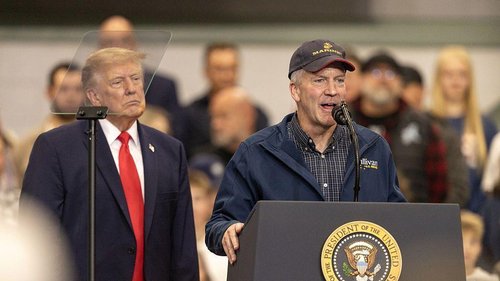
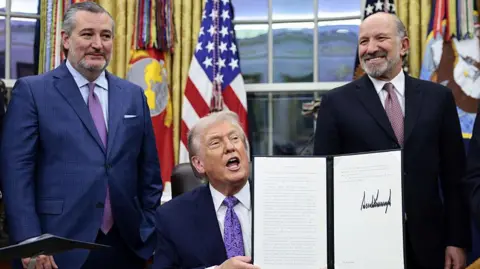
US President Donald Trump has signed an executive order aimed at blocking states from enforcing their own artificial intelligence (AI) regulations. 'We want to have one central source of approval,' Trump told reporters in the Oval Office on Thursday. The order enables the administration to challenge state laws deemed 'onerous,' while it still allows regulations focused on children's safety. This decision marks a significant development for technology giants who have lobbied for comprehensive US-wide AI legislation, hoping to maintain competitive edge against countries like China.State-level regulations, according to tech leaders, could slow innovation and impede progress in the AI sector. However, not everyone is in favor of this federal approach. California’s Governor Gavin Newsom expressed strong opposition, accusing Trump of corruption and criticizing the executive order as an attempt to undermine state laws that protect citizens from unregulated AI.Newsom's state has already established its own AI regulations, reflecting a broader push among various states like Colorado and New York to create guidelines to manage the development of AI technologies. Critics argue that Trump’s order strips states of their rights to enforce necessary safeguards against potential AI risks, and advocacy groups have highlighted the importance of local laws in the absence of federal regulations.