Three weeks after the joint US-Israeli war against Iran began, the conflict has reached a fuzzy state of mixed messages and uncertainty, with Donald Trump's public comments often seemingly contradicted by realities on the ground. The war is very complete, pretty much, Trump has said, but new American ground forces – including a Marine expeditionary unit - are moving into the region. It is winding down, but US and Israeli bombing and missile strikes on Iranian targets continue unabated.
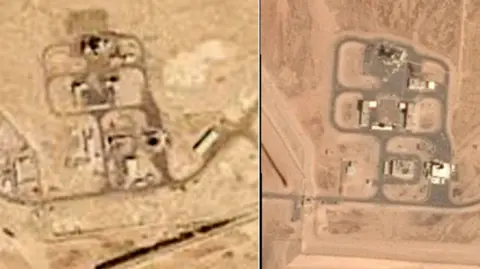
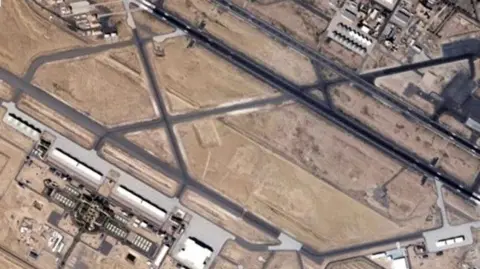
Opening the Strait of Hormuz, the geographic choke point through which 20% of the world's oil export travels, is a simple military manoeuvre, but for now only Iranian-approved ships are transiting the waters. The Iranian military is gone, but drones and missiles are still striking targets in the region and targets have extended as far as the joint US-UK base on Diego Garcia.
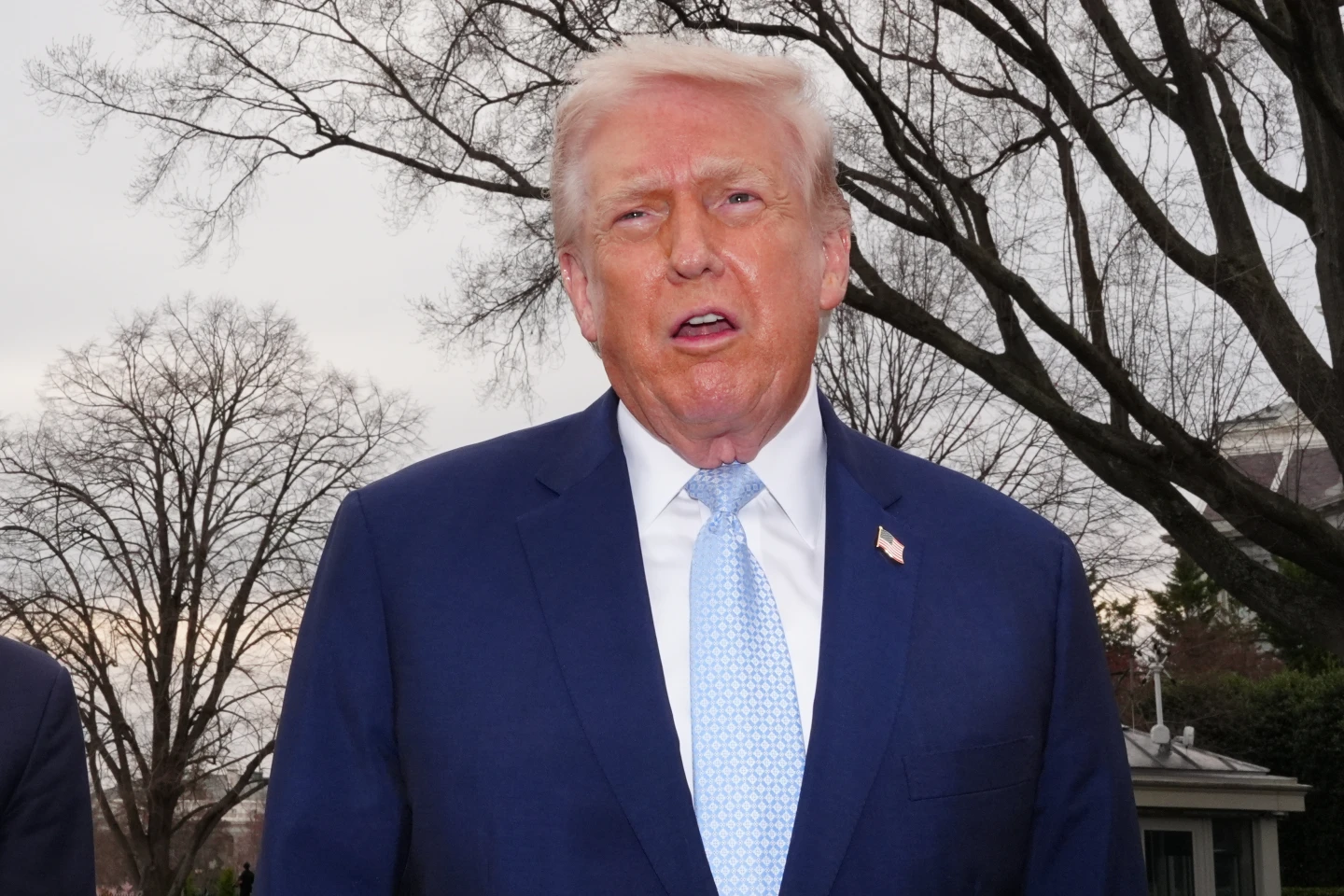
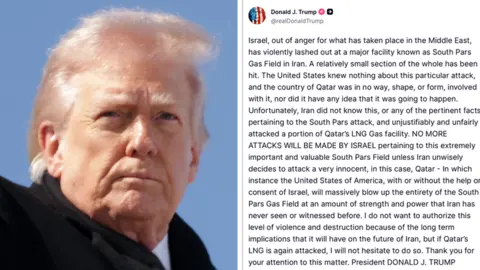
In a Friday evening Truth Social post published while he was flying from Washington to his Florida resort, the US president provided a numbered list of American military objectives for the Iran war, which he said the US was getting really close to fulfilling. The items included degrading or destroying Iran's military, its defense infrastructure, and its nuclear weapons program, while protecting American allies in the region.
Trump's Truth Social post also made no call for Iranian regime change. Instead, it seems the US could end its operation with Iran's current leadership intact. As US ground forces head to the Middle East, military analysts suggest efforts may target Kharg Island, Iran's key oil terminal, impacting Iran's revenue and possibly pressuring it to negotiate.
On the financial side, the administration might seek emergency funding for the Iran operation, raising concerns among Congress about the longer-term implications of military involvement. The situation remains fluid, with military preparations indicating that the White House might anticipate extended conflict, leaving many to wonder how this war will evolve.
Opening the Strait of Hormuz, the geographic choke point through which 20% of the world's oil export travels, is a simple military manoeuvre, but for now only Iranian-approved ships are transiting the waters. The Iranian military is gone, but drones and missiles are still striking targets in the region and targets have extended as far as the joint US-UK base on Diego Garcia.
In a Friday evening Truth Social post published while he was flying from Washington to his Florida resort, the US president provided a numbered list of American military objectives for the Iran war, which he said the US was getting really close to fulfilling. The items included degrading or destroying Iran's military, its defense infrastructure, and its nuclear weapons program, while protecting American allies in the region.
Trump's Truth Social post also made no call for Iranian regime change. Instead, it seems the US could end its operation with Iran's current leadership intact. As US ground forces head to the Middle East, military analysts suggest efforts may target Kharg Island, Iran's key oil terminal, impacting Iran's revenue and possibly pressuring it to negotiate.
On the financial side, the administration might seek emergency funding for the Iran operation, raising concerns among Congress about the longer-term implications of military involvement. The situation remains fluid, with military preparations indicating that the White House might anticipate extended conflict, leaving many to wonder how this war will evolve.