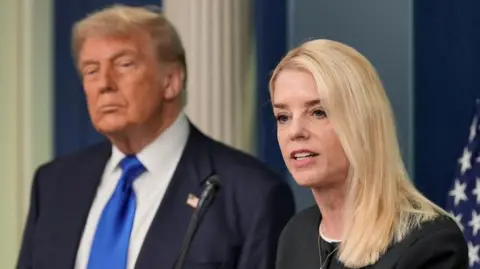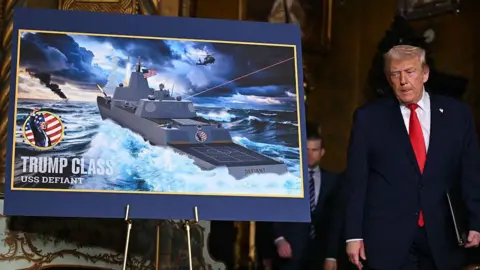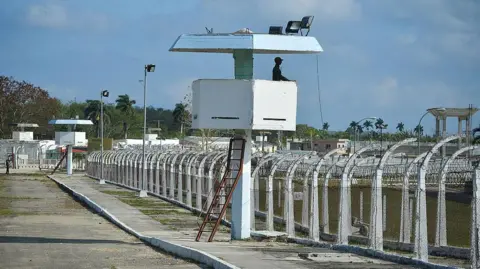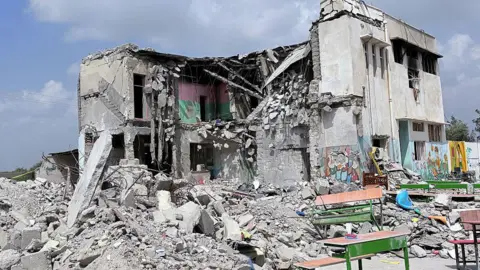
The US has long aimed to topple adversarial regimes, but its recent military intervention in Venezuela to remove Nicolas Maduro has brought both surprise and concern. With Caracas under assault, voices in Washington hailed the operation as a necessary move against a regime accused of heinous crimes, including human rights abuses and drug trafficking.
Maduro, once a powerful figure controlling various levers of power in Venezuela, has now been captured and faces a trial in the US. Analysts note that this is the first direct military action in Latin America since the 1989 invasion of Panama, marking a significant shift in U.S. foreign policy. The circumstances surrounding his removal raise questions about US intentions and the complexities of governance in a post-Maduro Venezuela.
While some Venezuelans celebrate the potential for political change, dissenting voices caution against the ramifications of US intervention, fearing it could lead to civil unrest and prolonged conflict among rival factions. Trump has suggested possible cooperative terms with Maduro's deputy, hinting at a negotiated transition that could either stabilize or further complicate the political landscape.
As the international community watches closely, the true impact of this intervention on Venezuela's future remains an open question, further complicated by the country's entrenched political issues and deep-seated divisions among its populace.
Maduro, once a powerful figure controlling various levers of power in Venezuela, has now been captured and faces a trial in the US. Analysts note that this is the first direct military action in Latin America since the 1989 invasion of Panama, marking a significant shift in U.S. foreign policy. The circumstances surrounding his removal raise questions about US intentions and the complexities of governance in a post-Maduro Venezuela.
While some Venezuelans celebrate the potential for political change, dissenting voices caution against the ramifications of US intervention, fearing it could lead to civil unrest and prolonged conflict among rival factions. Trump has suggested possible cooperative terms with Maduro's deputy, hinting at a negotiated transition that could either stabilize or further complicate the political landscape.
As the international community watches closely, the true impact of this intervention on Venezuela's future remains an open question, further complicated by the country's entrenched political issues and deep-seated divisions among its populace.