In brief
President Trump announced an agreement to import up to 300,000 tonnes of diesel from Russia, followed by larger shipments, as part of a push to lower fuel costs. The deal faces backlash from both Republican and Democratic lawmakers who argue it violates U.S. sanctions that ban Russian energy imports. Critics say the arrangement gives Russia a financial lifeline while the war in Ukraine continues. The U.S. Treasury will temporarily lift sanctions on diesel exports until April 7th, but other Russian assets remain frozen. Amid rising fuel prices that have hit a pandemic‑high, the debate underscores the clash between economic policy and international law.
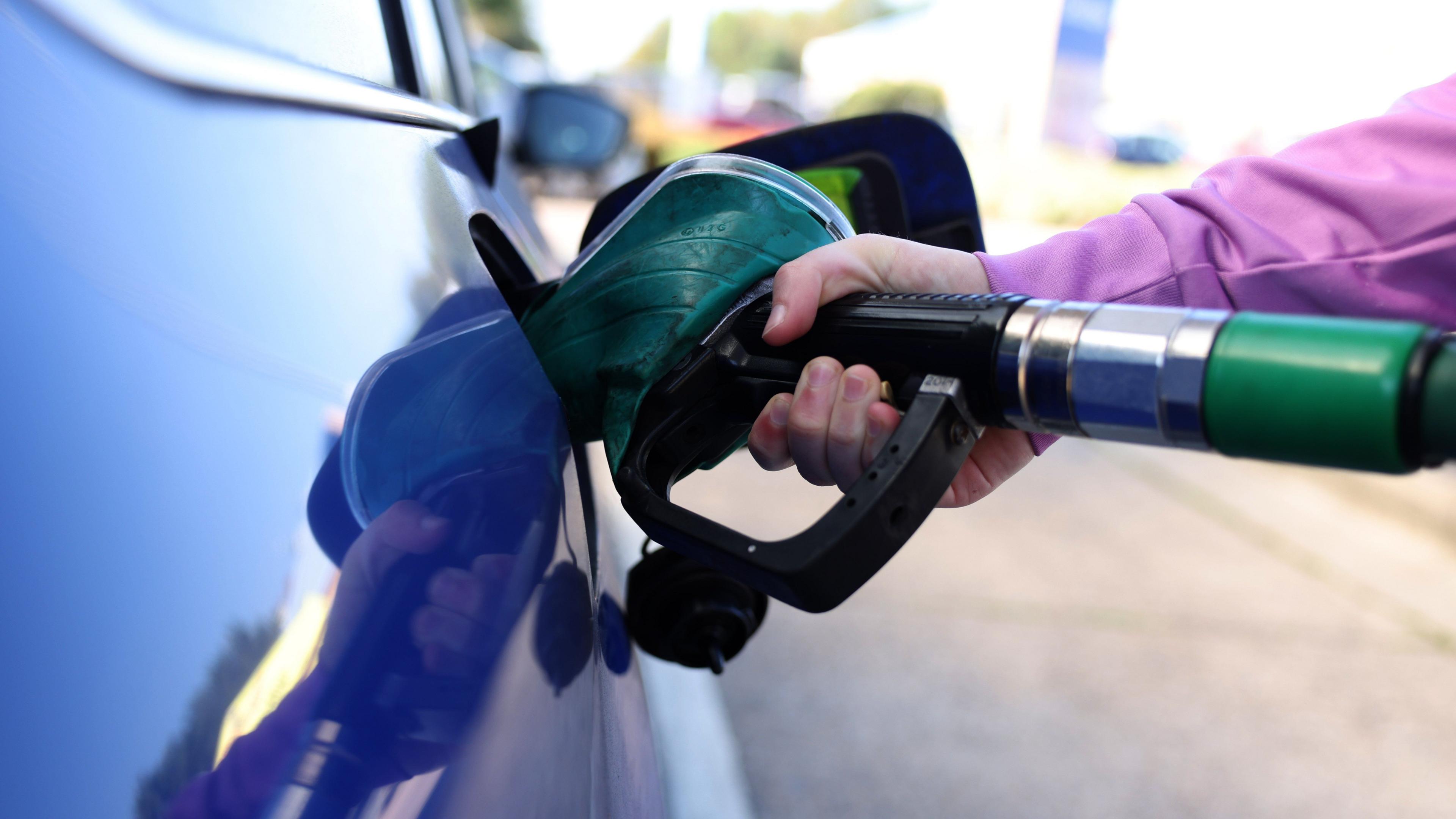
Trumps president announced a deal to bring in up to 300,000 tonnes of diesel from Russia this month, with plans for millions more in the near future. The move is aimed at cutting the average U.S. diesel price, which has surged to roughly $6.28 a gallon.
The deal has drawn fire from lawmakers on both sides of the aisle. They argue that importing Russian diesel would violate U.S. sanctions that bar energy sales to the country, and that it would give Russia a financial boost whilst the war in Ukraine rages.
The Treasury will temporarily lift those sanctions for diesel shipments until 7 April, but other Russian assets in U.S. banks remain frozen. Trump says the agreement works through legal channels, while critics say it ignores congressional bans that began in 2022.
The controversy comes as fuel prices hit a pandemic‑high level, pressuring farmers, truckers and everyday drivers. It also comes just weeks before the mid‑term elections, a key political showdown for Trump’s party.
Key points:
• 300,000‑tonne diesel to ship now, 500,000 tonnes in November, up to 1 million tonnes later.
• Additional shipments could reach 3 million tonnes per month depending on Russian refinery conditions.
• Lawmakers caution that the deal gives Russia money to continue the Ukraine war.
The move highlights the tension between the need to keep fuel affordable and the need to uphold international sanctions. The outcome could reshape U.S. energy policy and impact the political climate ahead of the midterms.