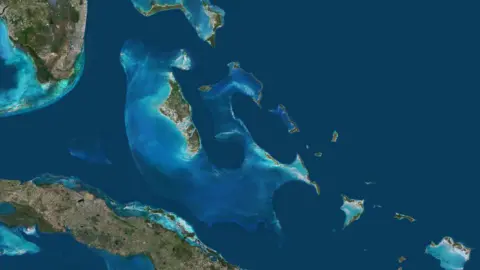
Hurricane Erin is rapidly gaining strength, now classified as a Category 4 storm, posing a significant threat to the US East Coast with dangerous surf and rip currents. The hurricane's impact was initially felt in the south-eastern Bahamas and the Turks and Caicos Islands, where a tropical storm warning is in effect as heavy rains could reach up to six inches (15.2cm). Although Erin's path is not expected to make landfall on these islands, the Bahamas has urged residents to prepare for possible evacuations and check their nearest shelters.
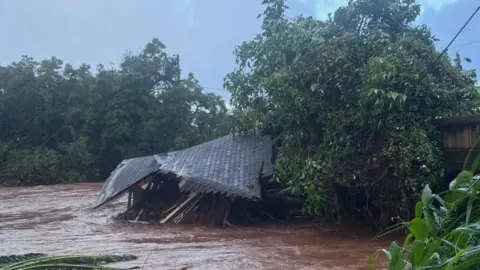
In Puerto Rico, the storm has already left over 150,000 people without power due to strong winds. Thankfully, local energy company Luma has managed to restore power to 95% of its customers. The outer rain bands of Hurricane Erin have begun to affect the Bahamas, with the US National Hurricane Center advising vigilance.
As the hurricane continues its path between Bermuda and the eastern US coast, it is expected to maintain its strength and remain a powerful storm. The Outer Banks of North Carolina have issued a mandatory evacuation for Hatteras Island, anticipating heavy winds and surf. Authorities warn of potential rip tides impacting the entire East Coast, emphasizing the volatile nature of storms like Erin.
In Puerto Rico, the storm has already left over 150,000 people without power due to strong winds. Thankfully, local energy company Luma has managed to restore power to 95% of its customers. The outer rain bands of Hurricane Erin have begun to affect the Bahamas, with the US National Hurricane Center advising vigilance.
As the hurricane continues its path between Bermuda and the eastern US coast, it is expected to maintain its strength and remain a powerful storm. The Outer Banks of North Carolina have issued a mandatory evacuation for Hatteras Island, anticipating heavy winds and surf. Authorities warn of potential rip tides impacting the entire East Coast, emphasizing the volatile nature of storms like Erin.