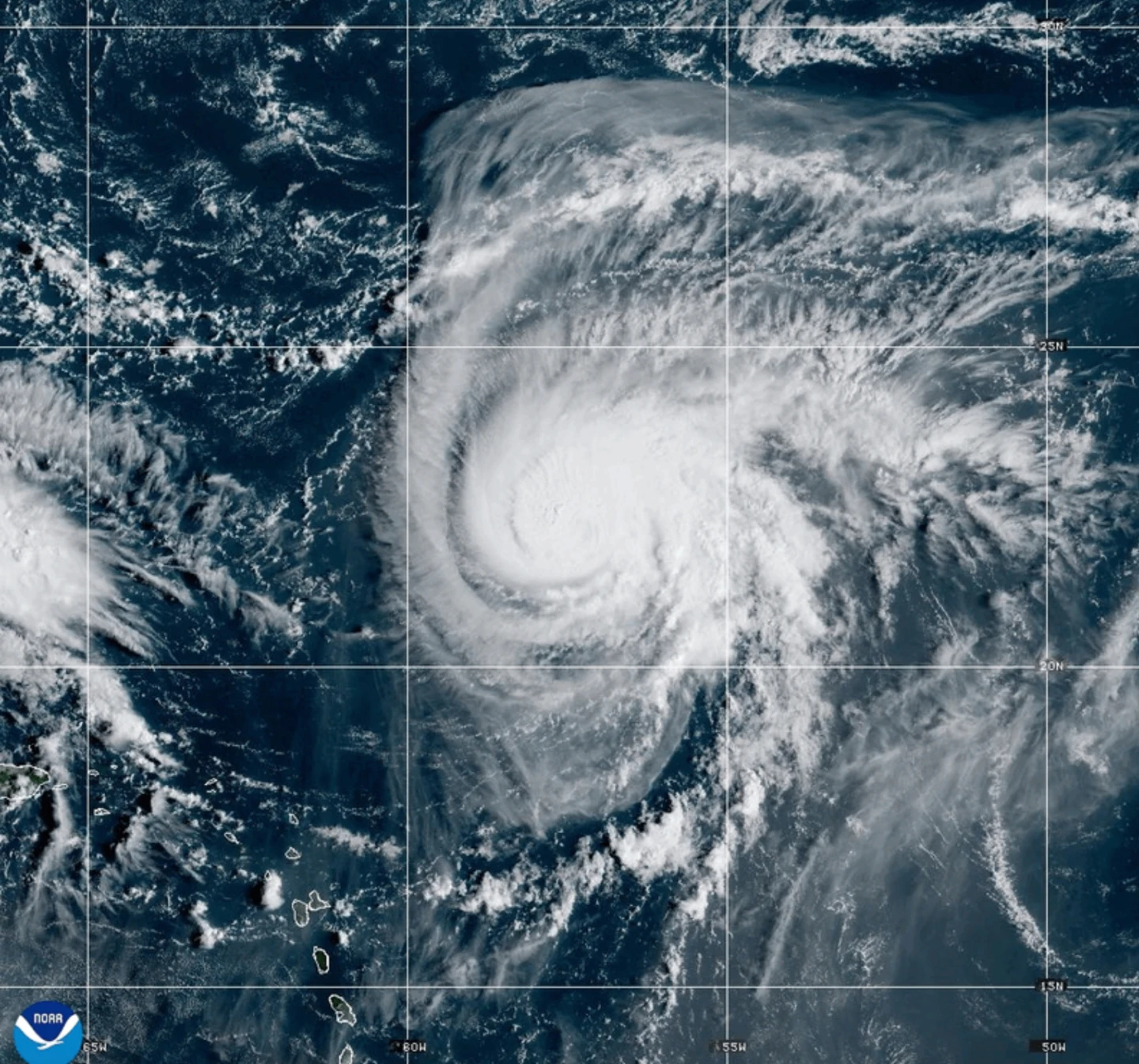
SAN JUAN, Puerto Rico (AP) — The Atlantic hurricane season is experiencing an unprecedented silence, with no named storms forming for nearly three weeks during what is typically the most active period.
Recently, meteorologist Philip Klotzbach inquired on X, Where the heck are the Atlantic #hurricanes? Many share his confusion as the last storm, Tropical Storm Fernand, was brief, forming on Aug. 23 and dissipating just five days later over open water.
This unusual quietness marks the second time on record since 1950 that no named storms have emerged between August 29 and September 15, according to the National Weather Service in San Juan.
Experts attribute this anomaly to several factors: a strong vertical wind shear from mid-upper tropospheric circulations, dry air enveloping the tropical Atlantic, and reduced rainfall across West Africa, where tropical waves form. As Puerto Rico continues to recover from Hurricane Maria's devastation in 2017, many are viewing this lack of activity as a blessing.
Despite the calm, forecasters warn that a surge of activity could still occur later in September and early October. Current models hint at potential storm clusters east of the Caribbean, with one likely to intensify into a name. As hurricane history indicates, the most significant storm activity typically happens in August and September, leaving room for increased turbulent weather as ocean temperatures remain warm.
With the season traditionally yielding up to 14 named storms annually, the ongoing lull raises questions: Will the Atlantic remain peaceful, or will storm patterns shift dramatically in the coming weeks?