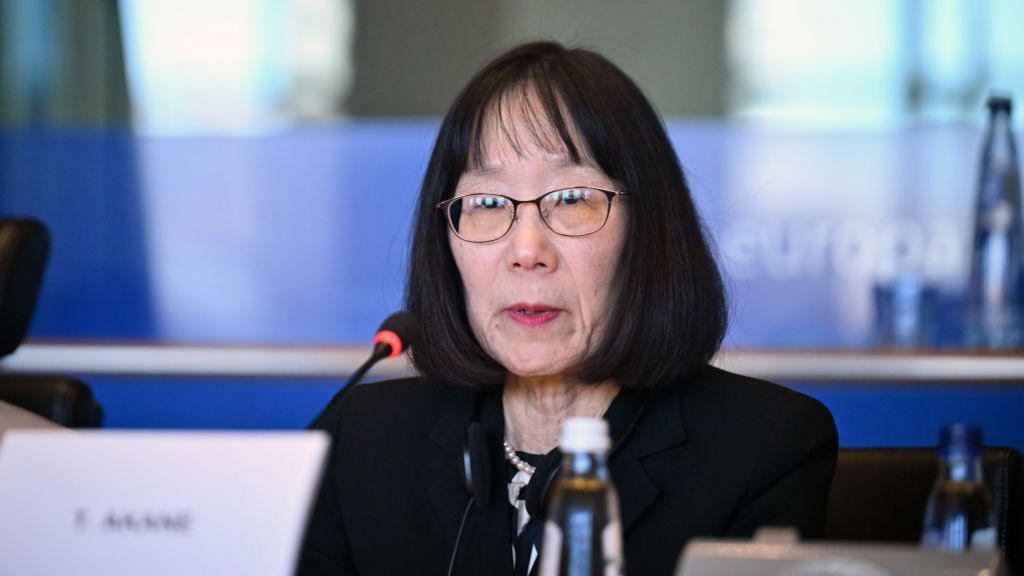
US slaps sanctions on ICC leaders
In a bold push to roll back the International Criminal Court (ICC), Secretary of State Marco Rubio announced sanctions on its president, Judge Tomoko Akane of Japan, and senior lawyer Abdoulaye Seye of Senegal.
Rubio labels the ICC a “corrupt, politicised court” that oversteps its mandate. The sanctions freeze assets, bar travel, and limit U.S. companies from doing business with the sanctioned officials.
This hits the ICC’s 120‑plus member states in a broader effort to dent investigations into U.S. personnel in Afghanistan and Israeli politicians like Prime Minister Benjamin Netanyahu. Rights groups — Human Rights Watch, the Open Society Institute and others — have sued the administration, claiming the sanctions undermine global justice and free speech.
What’s at stake?
- ICC can prosecute genocide, war crimes and crimes against humanity.
- Sanctions limit the court’s ability to operate and tarnish its reputation.
- Legal challenges already filed by U.S. judges and human‑rights groups claim the measures are unlawful.
The move has sparked debate about the balance between national sovereignty and international accountability. Stay tuned for more on how this geopolitical chess game evolves.