In brief
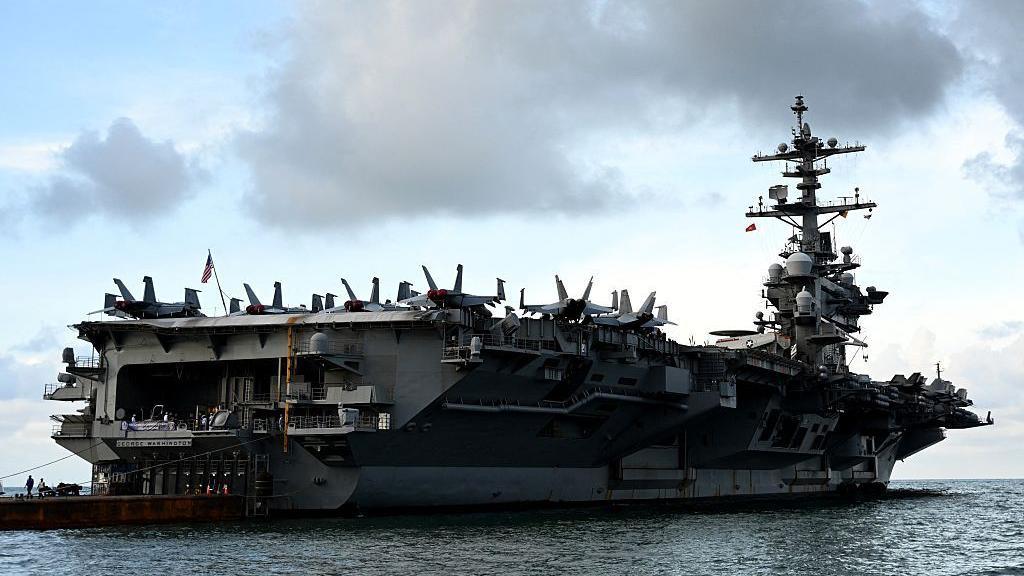
The USS George Washington is on its way to the Middle East to replace the USS Abraham Lincoln, which has been plagued by food shortages, poor sanitation and mental health issues over its nine‑month deployment. Families of sailors aboard the Lincoln worry that the conditions are driving crew members to desperate ends, including reports of suicide attempts. President Trump and the Navy deny a crisis but confirm the need for replacement. The new carrier will arrive in Oman in about nine days, marking a shift of the US naval presence away from the Pacific. The situation has drawn lawmakers’ attention to the wear and tear on older carriers and the human cost of long deployments.
A Long‑Haul Controversy
The US Navy’s oldest carrier, the USS Abraham Lincoln, has been at sea since 11 December, a deployment that was originally scheduled to end in May. Over the past nine months, crews have reported food shortages, broken plumbing, and poor sanitation, leading to exhaustion and even weight loss.
Family members have voiced concerns that these conditions are eroding mental health, with some sailors reportedly attempting to jump overboard. The Navy denies an increase in suicidal behaviour but admits that supply disruptions and the intensity of the war with Iran have strained resources.
A Replacement Arrives
The USS George Washington, which departed Yokosuka, Japan in May for a Pacific patrol, is now heading west toward the Middle East. According to tracking data, the vessel will reach the port of Duqm in Oman around 22 August, arriving roughly nine days from now.
By replacing the Lincoln, the Navy will have three carriers in the Eastern Mediterranean, but none will remain in the Pacific, signalling a strategic shift in naval deployment.
Political Response
Congressional leaders such as Senator Richard Blumenthal have written to the Navy’s leadership, urging immediate action to address shortages and poor conditions. The Department of Defense claims that all ships are adequately supported, casting doubt on the media reports.
President Trump dismissed the concerns, stating “Not nearly long enough” and confirmed the replacement without naming the new ship in public remarks.
What it Means for Sailors
The situation highlights the human toll of extended deployments on older carriers and raises questions about maintaining a high operational tempo. As the Navy continues to circulate carriers worldwide, ensuring the well‑being of its sailors remains a pressing challenge.