In brief
The U.S. Consumer Price Index rose to 3.7% in the 12 months up to September, higher than expected thanks to a 34% jump in gasoline prices. The surge comes as the country heads into midterm elections, putting cost‑of‑living on the political agenda. Energy costs now make up a significant slice of overall inflation, while food and core inflation hold steady. Economists watch to see if the Fed can bring rates back toward its 2% target. Higher fuel costs have a ripple effect on everyday expenses and the economy at large.
The latest U.S. inflation data shows a jump to 3.7% in the 12 months to September, higher than economists predicted and just a week before next month’s midterm elections.
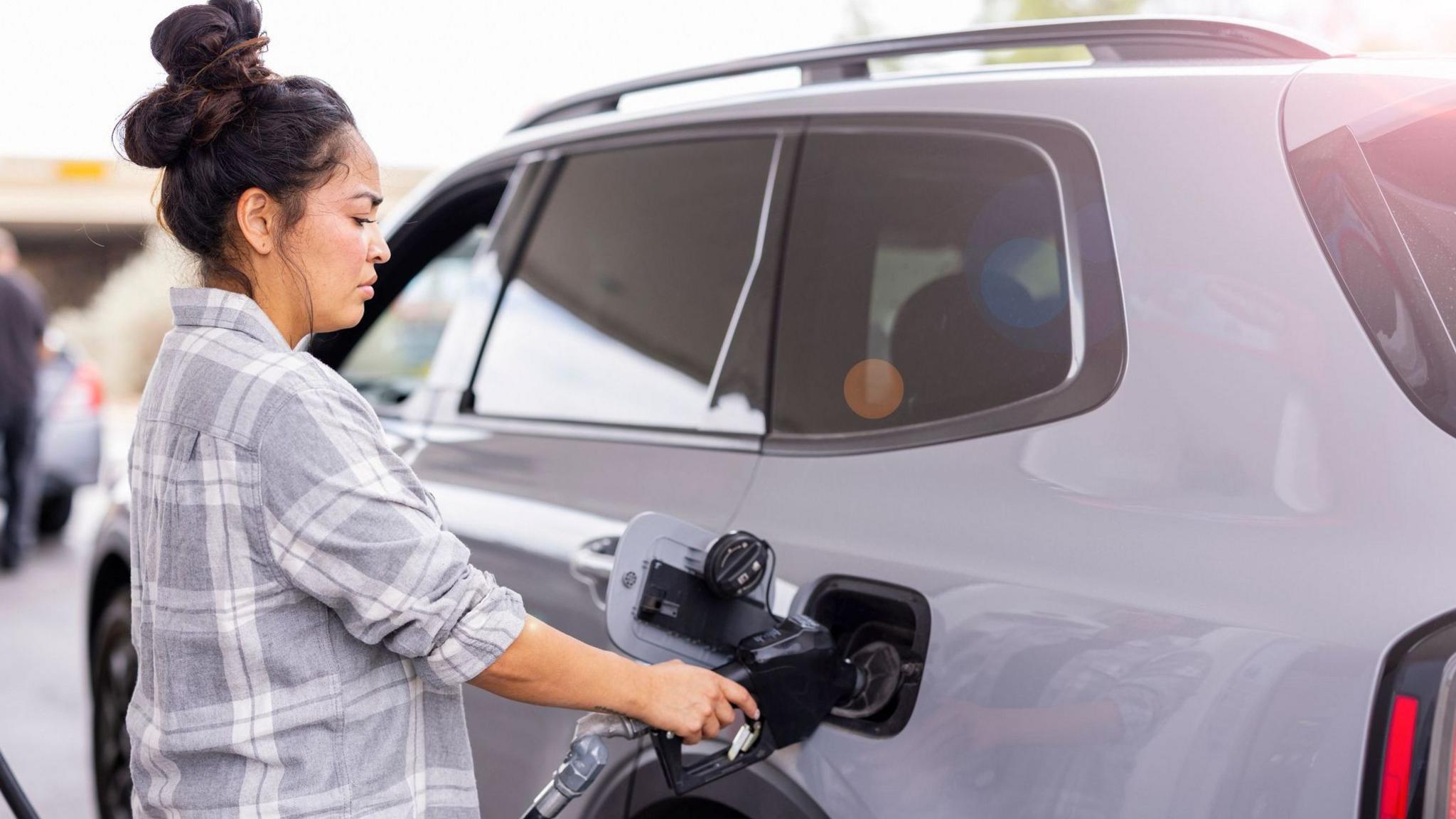
The spike is mainly driven by gasoline prices, which climbed 34% last year after tensions in the Middle East reduced crude oil supply. Energy costs now make up 20% of the overall inflation calculation.
Why does it matter? Inflation squeezes household budgets: when prices climb, your paycheck buys less. Many voters are already worried about how rising costs will affect their families, and the data will shape political debates.
What is Inflation?
Inflation is the yearly rise in prices for everyday goods and services. If a $1 pack of gum goes to $1.10, that’s a 10% inflation for gum.
The U.S. Bureau of Labor Statistics tracks the Consumer Price Index (CPI), a basket of items like groceries, clothes, energy, and healthcare.
How Fuel Prices Push Inflation Up
Fuel is a big part of that basket. When the price of one barrel of oil jumps, it takes longer to get to the pump and pushes the cost of cars, delivery vans, and even pizza up.
In September alone, gasoline prices rose 9%, contributing more than half of the total increase. That’s why the CPI now shows a 3.7% rise, above the Fed’s 2% target.
What This Means for You
When inflation climbs, the political conversation shifts to cost‑of‑living. Candidates are promising to ease the burden on families through policies that could keep price growth slower.
In the short term, a higher inflation rate can affect things you see every day—gas, groceries, and even your next credit‑card bill.
Could inflation get lower again? Central banks aim for about 2%. If energy prices ease, the overall rate will likely dip, but the current spike keeps the Fed on watch.
Stay tuned: this data comes just before the midterm elections, and how it’s interpreted could decide the next set of policies and which party controls Congress.