In brief
US Treasury Secretary Scott Bessent has called for an "economic D‑Day" against Iran, accusing the Tehran regime of war‑like aggression and threatening to cut all financial ties. He warns that any country doing business with Iran will also be isolated. Iran has responded by threatening to shut down oil exports from the Strait of Hormuz, a vital artery for world oil supplies. The move follows a history of shifting US‑Iran sanctions, from the Obama‑era nuclear deal to Trump’s re‑imposition of sanctions, and could shake the global energy market.
What the ‘Economic D‑Day’ Means
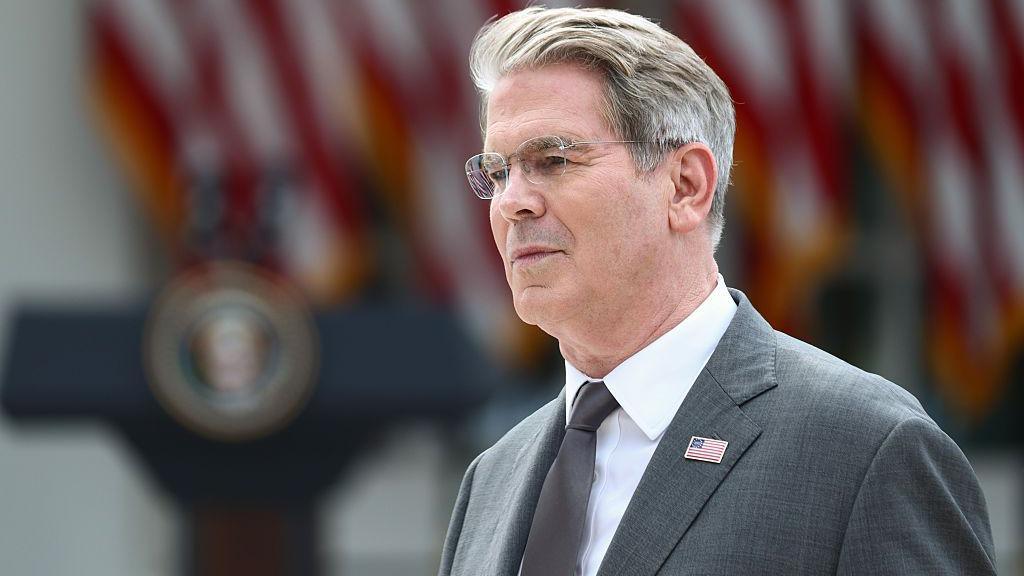
US Treasury Secretary Scott Bessent has warned that the United States will cut all economic ties with Iran in a decisive move against the regime’s war‑like actions. He says the United States will sever every financial link that sustains Iran and will isolate any nation or company that does business with the country.
Iran has replied by threatening to close its oil exports from the Strait of Hormuz, a passage that carries about one fifth of the world’s oil supply. This would put additional strain on global energy markets and on the economies of nations that rely on that freight lane.
The new threat follows a long history of changing US policy toward Iran. The Obama administration lifted many sanctions in 2015 after Iran agreed to limit its nuclear program. Trump later withdrew from that deal and re‑imposed sanctions, and the Biden administration has attempted to restore some of the former leniency without success.
The next steps are unclear, but the Treasury Secretary’s announcement is a signal that the United States is ready to engage in a very hard line of economic pressure. This could have far‑reaching impacts on global oil prices and on international financial institutions that facilitate trade with Iran.