US forces hit Iran’s military bases; Iran threatens to block key oil routes.
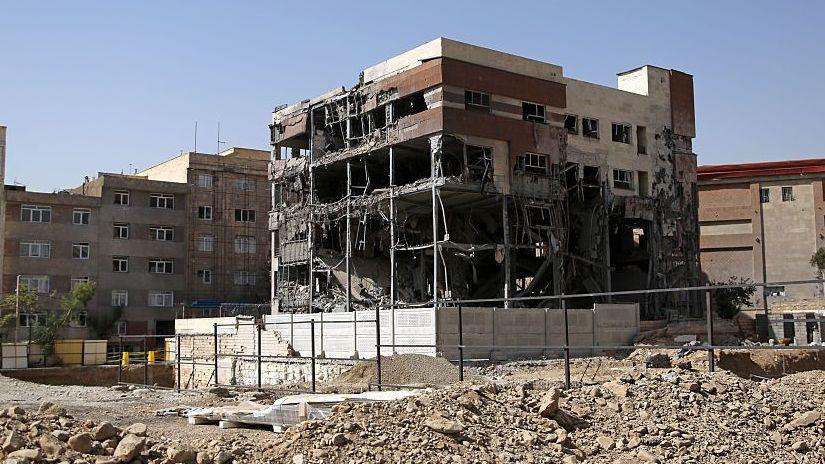
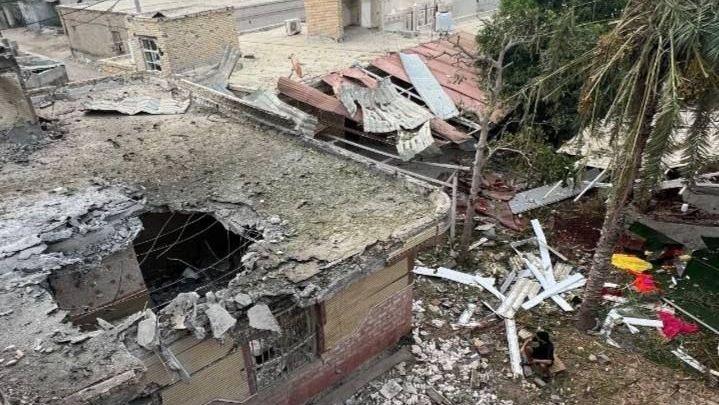
On Monday, the US Central Command conducted a 90‑minute wave of drone, air and naval strikes against Iranian coastal defenses and missile storage sites. The operation follows a broader conflict that has already pushed oil prices through the $70‑a‑barrel mark.
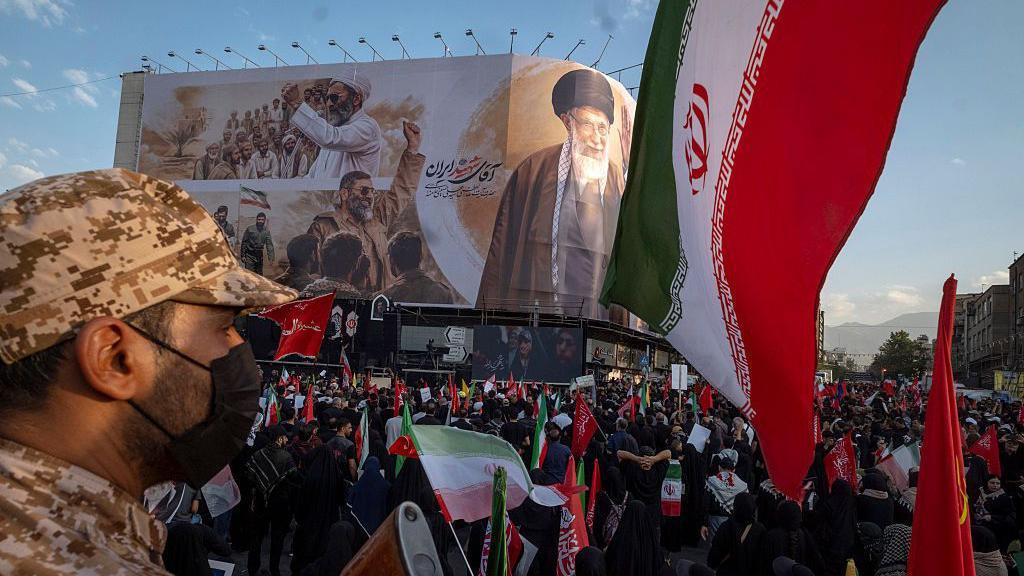
Iran’s Revolutionary Guards warned that the Strait of Hormuz would remain shut until the US ends what it calls “acts of aggression.” They also signaled readiness to close other regional oil and gas export routes.
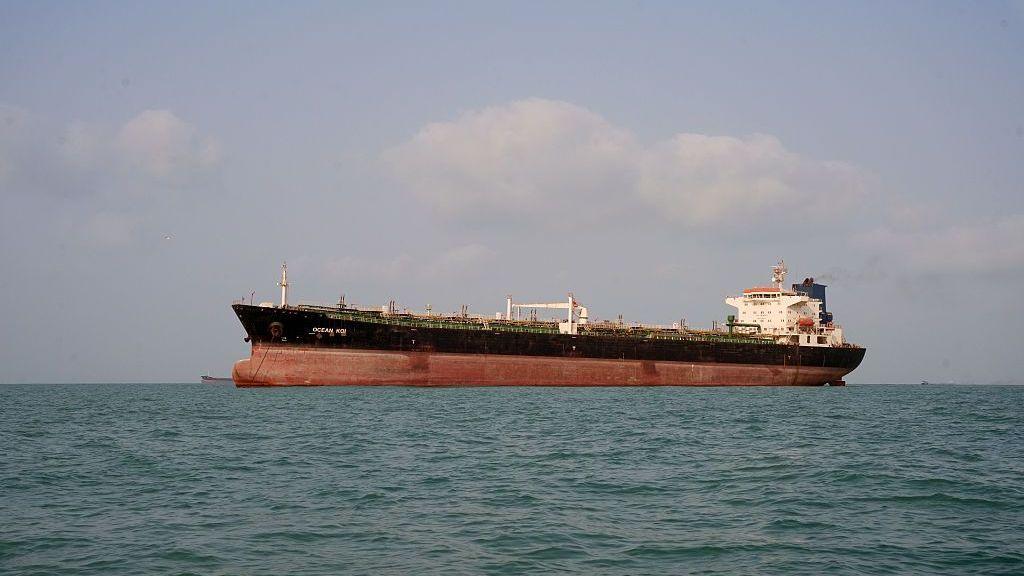
This threat could choke one of the world’s most critical maritime arteries, where a sixth of global oil passes. Trading disruptions would spill into global markets, driving up energy costs for everything from gasoline to electronics.
Key points
- US launched drone, air, and naval strikes on July 11
- Iran threatens to block Strait of Hormuz until US stops attacks
- Oil prices surge as tanker traffic stalls
- Existing trade blockade can be re‑established if tensions rise
- Both sides warned of broader missile and drone activity across Gulf states
Both sides now face a mounting risk of escalation. The US says the strikes “degraded Iran’s ability to attack commercial shipping,” while Iran’s comments underscore the strategic value of the strait to the global economy.
With the US blockade on Iranian ports renewed, Iran’s warnings could trigger a full‑scale shutdown of multiple shipping lanes. The world now watches closely to see whether diplomacy can undo a rapidly tightening choke‑hold on global trade.