On January 3, 2026, US Secretary of State Marco Rubio revealed that the United States would not assume day-to-day governance of Venezuela, opposing President Trump's earlier assertions of running the country. Instead, Rubio outlined the enforcement of an existing 'oil quarantine' to compel changes within the Venezuelan government following the arrest of Nicolás Maduro, accused of drug trafficking. Maduro's governance and desire for international recognition remain challenged as his officials call for his release. The political landscape in Venezuela has turned quiet, with streets largely empty amidst increasing military presence.
US to Enforce Oil Quarantine on Venezuela, Leadership Questions Arise
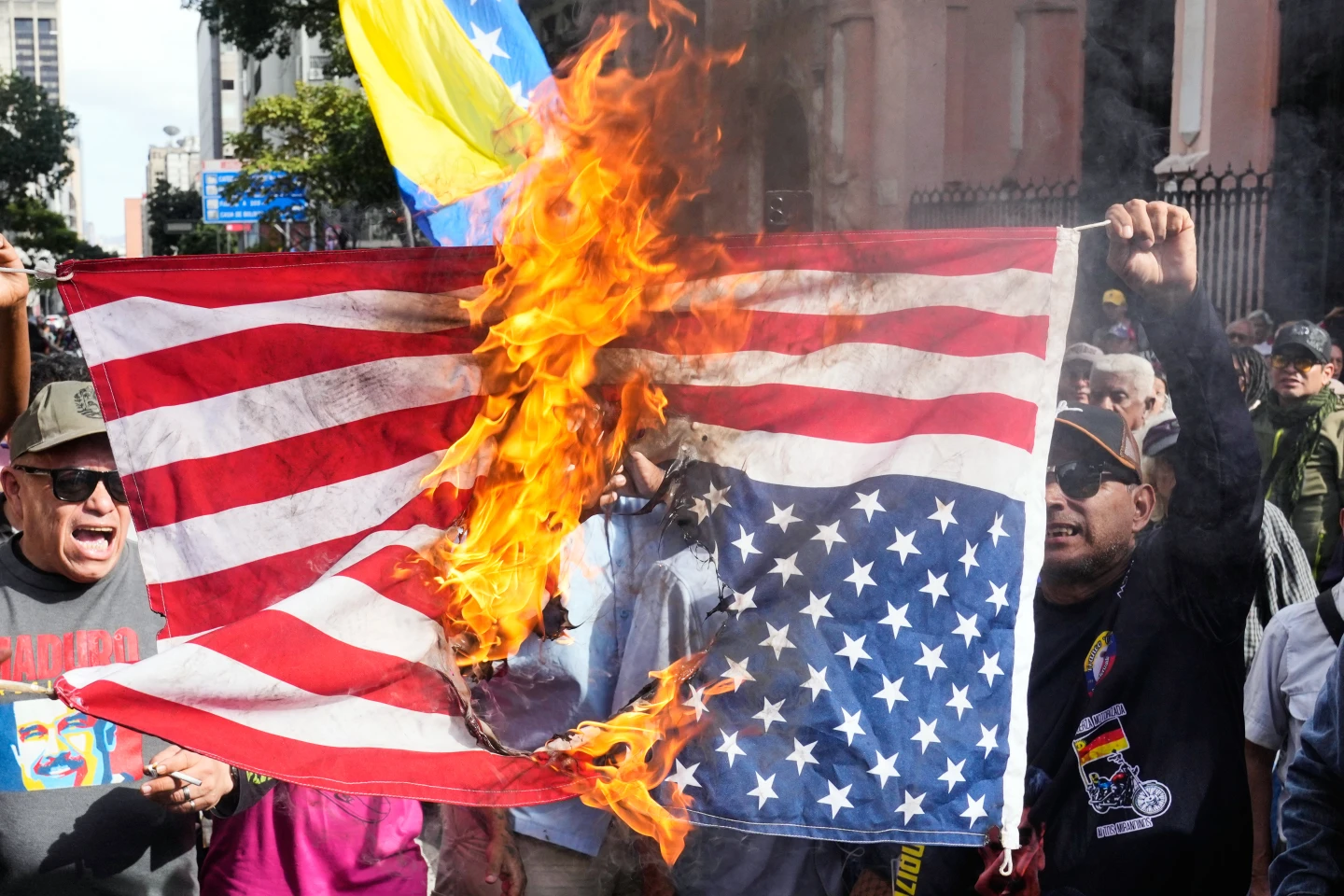
US to Enforce Oil Quarantine on Venezuela, Leadership Questions Arise
After the capture of Nicolás Maduro, US Secretary of State Marco Rubio clarifies that while the US won't directly govern Venezuela, it will enforce a quarantine on oil to instigate change.
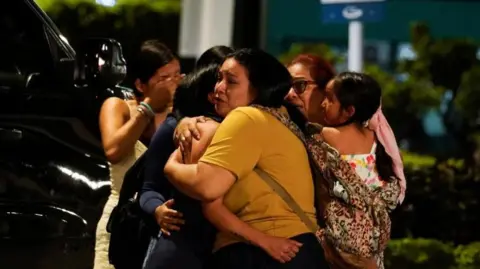
In recent developments, US Secretary of State Marco Rubio indicated that the United States will not govern Venezuela directly, despite President Trump’s claims of running the country. Following the capture of leader Nicolás Maduro, Rubio emphasized an existing 'oil quarantine' on sanctioned tankers as a strategy to influence policy changes in Venezuela. Meanwhile, Maduro’s government has demanded his release and branded US actions as imperialist. Streets in Caracas remain quiet as civil and military presence increases, indicating a tense aftermath to these significant political shifts.