U.S. Bans New Chinese Robot Imports Over Security Concerns
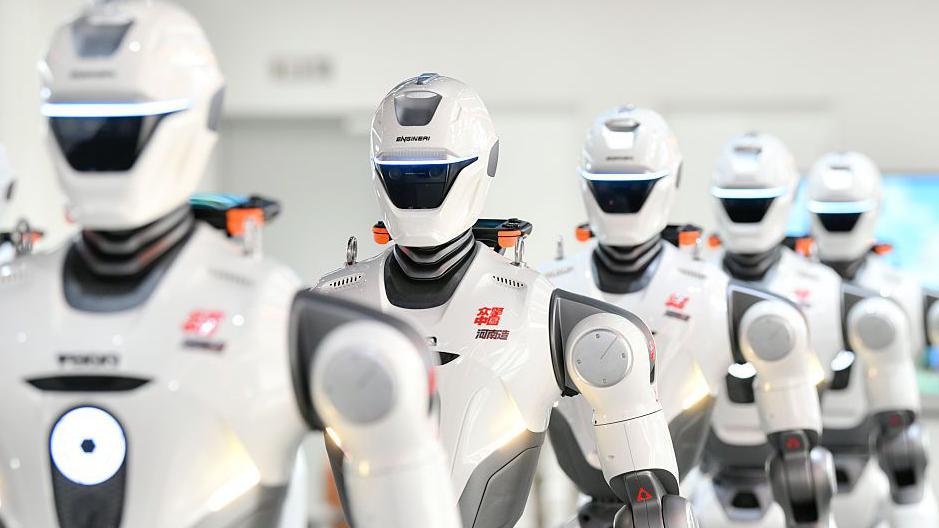
The Trump administration announced on Tuesday that it would stop the import of any new foreign‑made humanoid and advanced robotic vehicles, including those manufactured in China, citing “unacceptable risks” to national security.
It also prohibits power inverters—devices used in data centres and solar panels—after the Federal Communications Commission (FCC) flagged potential economic threats. FCC Chair Brendan Carr said the agency is “doing its part to secure America’s critical supply chains.”
To support its claim, the FCC added the offending components to its Covered List, a register of goods deemed a security risk. The ban specifically excludes already authorised machines, meaning older units remain allowed.
FCC officials warned that foreign‑made inverters could be remotely switched off, steal data or aid surveillance by foreign governments. Similarly, robots from outside the U.S. could be used for “malign actors” surveillance missions or remote commandeering of the machines.
The move reflects the Trump administration’s broader strategy to curb China’s tech gains amid trade imbalances. Meanwhile, China’s exporters—including Unitree, UBTech and AgiBot—have seen their products scrutinised.
China’s government has responded by emphasising that its AI development is a result of internal dedication and international cooperation. It also noted that China is the world’s biggest creator of humanoid robots, used in factories and homes, and that their machines are marketed to businesses and the public ahead of U.S. competitors like Tesla and Boston Dynamics.
The ban comes after high tariffs on Chinese electric vehicles and possible sanctions on Chinese AI firms for alleged intellectual property theft. U.S. Treasury Secretary Scott Biesenthal already warned of potential sanctions against Chinese AI companies.
For more background, see the FCC’s statement and statements from Chinese embassies in Washington and from major Chinese robot manufacturers.