All they stand for is anger, hatred, and destruction, roared a hoarse Viktor Orban. Speaking at a mass election rally in Györ on March 27, Orban was visibly rattled by opposition protesters chanting against him. This moment showcased a side of the Prime Minister rarely seen, as he attempts to maintain his carefully crafted image amidst a growing challenge from the opposition.
Opinion polls indicate that the opposition Tisza party, led by Peter Magyar, is significantly ahead of Orban's governing Fidesz party, 58% to 35%. In response, Orban has hit the campaign trail harder than he has in previous elections, trying to galvanize his supporters before the April 12 voting.
Since taking office in 2010, Orban has developed a reputation as a key player in Europe’s nationalist movement, which has often put him at odds with the EU. At the same time, his administration has faced ongoing criticism over allegations of corruption and favoritism towards companies linked to his closest allies.
Pollster Endre Hann noted a significant shift in public perception, with many Hungarians now viewing Orban and Fidesz as part of the "corrupt ruling elite." The upcoming elections frame this discontent against a backdrop of voter anger seen across Europe towards established authorities.
With accusations of voter intimidation arising alongside a potentially damaging relationship with Russia—where Orban has historically aligned himself politically—this election could set the stage for more than just a change of leadership in Hungary. Global observers are closely watching, as it could influence far-right movements throughout Europe.
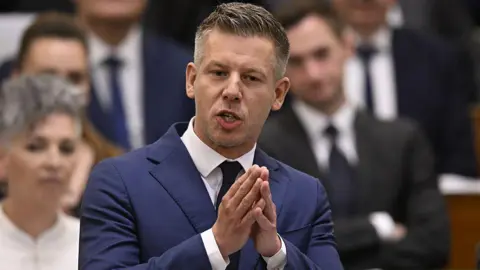
Peter Magyar has emerged as an appealing alternative to Orban, promising to address pressing domestic concerns like healthcare and education while distancing himself from the controversies surrounding the incumbent. Magyar’s grassroots campaigning efforts seem to resonate especially with younger voters disenchanted with Fidesz's long-standing rule.
If Orban's Fidesz party loses the upcoming elections, it might signal a crucial shift in the political landscape across Europe, potentially diminishing the momentum of far-right parties elsewhere. Currently, voter turnout and mobilization appear to be pivotal factors in determining the election’s outcome.
As Hungary approaches this critical vote, the stakes are high not just for the country, but for the entire European political fabric.