In brief
The Democratic Republic of Congo is grappling with a fierce Ebola outbreak that began three months before WHO officially declared it, according to WHO Africa director Dr. Mohamed Janabi. With 4,294 confirmed cases and 1,960 deaths, health authorities are struggling to keep pace while insecurity and cultural practices hinder contact tracing. Only about 30% of patients receive medical care on site, leaving many dying at home. Despite this, new treatment centres have been set up, and diagnosis times are improving. The situation highlights how critical rapid response, protective gear, and community trust are for controlling deadly viruses.
Ebola is spreading fast in the Democratic Republic of Congo (DR Congo), WHO says, and the virus is already weeks ahead of the official warning.
Health officials found that the outbreak essentially began in February, before it was declared in mid‑May, meaning numbers have surged.
The WHO Africa chief, Dr. Mohamed Janabi, said, "We are chasing the virus, the virus is ahead of us." That quote shows how hard the fight is.
Security problems in eastern DR Congo make it hard for teams to reach victims, and many people die at home if they can’t get help.
Traditional burial rituals also add to the spread because mourners often touch the body.
Good news is that new treatment centres are growing, and doctors are diagnosing patients faster.
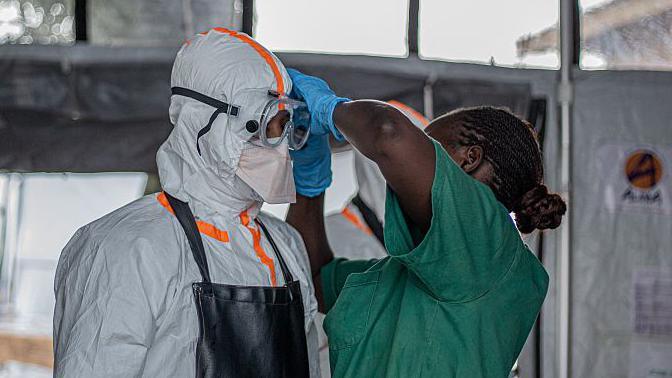
Health workers must wear full protective gear to stay safe from bodily fluids, as the virus can spread through touching.
The outbreak has already claimed 1,960 lives out of more than 4,300 cases, making it the second‑worst Ebola event after the West Africa 2014‑2016 crisis of 11,325 deaths.
If you’re curious how communities can protect themselves, follow up on BBC Africa’s insights, including survival lessons and health‑worker tactics.