In brief
The 2026 WNBA season has become a flashpoint for a wider conversation about transgender athletes and women’s sports. Indiana Fever star Sophie Cunningham sparked the controversy by saying she wanted to protect young girls from facing “biological men”. Former NBA stars Enes Kanter Freedom and Royce White joined the debate, declaring themselves WNBA prospects. The league’s collective bargaining agreement only requires a player to be a woman, leaving questions about eligibility. Fans, politicians, the WNBPA and the league are all weighing in as the WNBA seeks to define clear rules in a very political and global environment.
The 2026 WNBA season is shaping up to be more than just hoops. A buzz of headlines comes from a question that’s been bubbling for years: can transgender women play in the league?
One point of the clash began with Indiana Fever guard Sophie Cunningham. In a July interview she talked about “protecting young girls” from playing against ‘biological men’ – a comment that split fans, left‑wing activists and even some GOP politicians. Trump, Vance and even the league still have to respond.
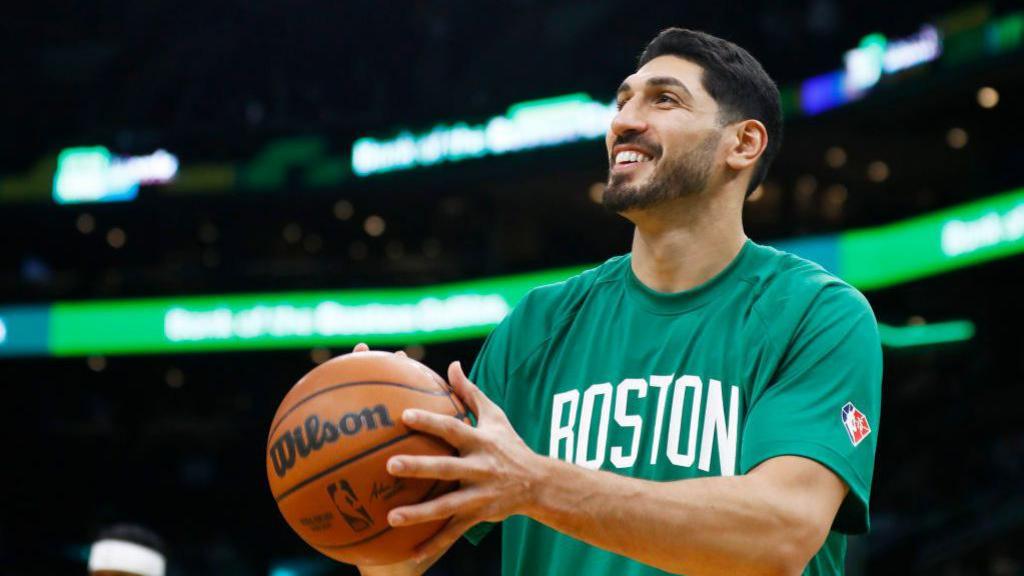
That controversy lit a fire that drew in players from men’s basketball. Former NBA MVP Enes Kanter Freedom declared himself a WNBA prospect, and former NBA role‑player Royce White said he would also sign up. Both say the rules are simple: if you identify as a woman you can play. Their statements hint that the league’s humble contract – “only women can play” – could be open to interpretation.
Cathy Engelbert, the WNBA commissioner, sent out a memo saying the league will “always approach this topic thoughtfully, respectfully, and in alignment with our values.” Yet there is no official rule on how to weigh gender identity or the science behind it. Some teams are hosting small protests, and a whole new WNBA‑wide conversation is already underway.
Other sports are facing similar questions. In global competitions, Olympic women’s divisions will be restricted to biological females from 2028, and many national federations ban trans athletes in schools and universities. The WNBA’s upcoming decision could set a precedent for the future of women’s sports everywhere.
Fans are calling for the league to do more than just toss a statement. The WNBPA, for example, denounced “hate abuse” and called for policies that are “fair and clear.” Meanwhile, commentators argue that the continent‑wide debate isn’t just a sports issue – it’s about how we talk about identity and fairness in the 21st century.
What’s clear? The league is still figuring out whose path counts as “women’s” on the court. With politics, public outcry and a lot of athlete voices on both sides, the WNBA’s next meeting – next draft, next trial – will shape the future of its players and the sport itself.