In brief
Despite President Trump's push for NATO support in confronting Iran, allies show hesitance, referencing their own limitations and the nature of NATO. Urgent discussions continue, but clarity on a collective strategy remains elusive, raising concerns over the implications for global peace and security.
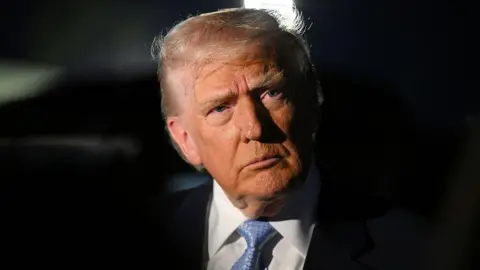
Throughout his two terms in office, US President Donald Trump has not been shy to criticize – even to attack – Washington's NATO allies. But his latest suggestion – that failing to secure the Strait of Hormuz would be 'very bad for the future of NATO' – implies an understanding of the alliance's purpose that has already raised eyebrows. 'NATO was created as a defensive alliance,' Gen Sir Nick Carter, former chief of the Defence Staff, told the BBC on Monday. 'It was not an alliance that was designed for one of the allies to go on a war of choice and then oblige everybody else to follow.' Coming from a president who only two months ago was making strident claims to Greenland, the sovereign territory of a fellow NATO member, there is more than a little irony in the latest remarks.This perhaps helps to explain why some responses have been fairly blunt. In Germany, a government spokesman said the war with Iran had 'nothing to do with NATO', while Defence Minister Boris Pistorius seemed to pour scorn on the idea that Europe's modest navies could make a difference.'What does Trump expect from a handful of European frigates that the powerful US navy cannot do?' he asked. 'This is not our war. We have not started it.' Nonetheless, there is now an urgent need for a solution to the crisis in the Gulf. Iran's effective blocking of the Strait of Hormuz has left Western governments scrambling to find a resolution.At his news conference, UK Prime Minister Sir Keir Starmer indicated that conversations aimed at working out a 'viable plan' were ongoing but stressed they were 'not at the point of decisions yet'. The UK continues to explore introducing newly developed mine-hunting systems to the region, but the withdrawal of the Royal Navy's mine-clearing ships raises questions on naval preparedness in a potential conflict.Trump's expectations of a swift and easy solution to maintain access to the Strait of Hormuz appear increasingly unrealistic. Allies, while amicable in rhetoric, remain wary of deep involvement in military operations, reflecting broader concerns about escalating tensions in a complex geopolitical landscape.