Content warning: this article includes details about the impact of conflict on children in war zones and descriptions of injuries that some readers may find distressing.
The first thing was that Abdelrahman's dad was killed. The family home was struck by an Israeli air strike. The boy's mum, Asma al-Nashash, 29, remembers that they brought him out in pieces. Then on 16 July 2024 an air strike hit the school in Nuseirat, central Gaza. Eleven-year-old Abdelrahman was seriously wounded. Doctors had to amputate his leg.
His mental state began to deteriorate. He started pulling his hair and hitting himself hard, Asma recalls. He became like someone who has depression, seeing his friends playing and running around… and he's sitting alone.
When I meet Abdelrahman at a hospital in Jordan in May 2025, he is withdrawn and wary. Dozens of children have been evacuated to the Kingdom from Gaza for medical treatment. We will return to Gaza, he tells me. We will die there.
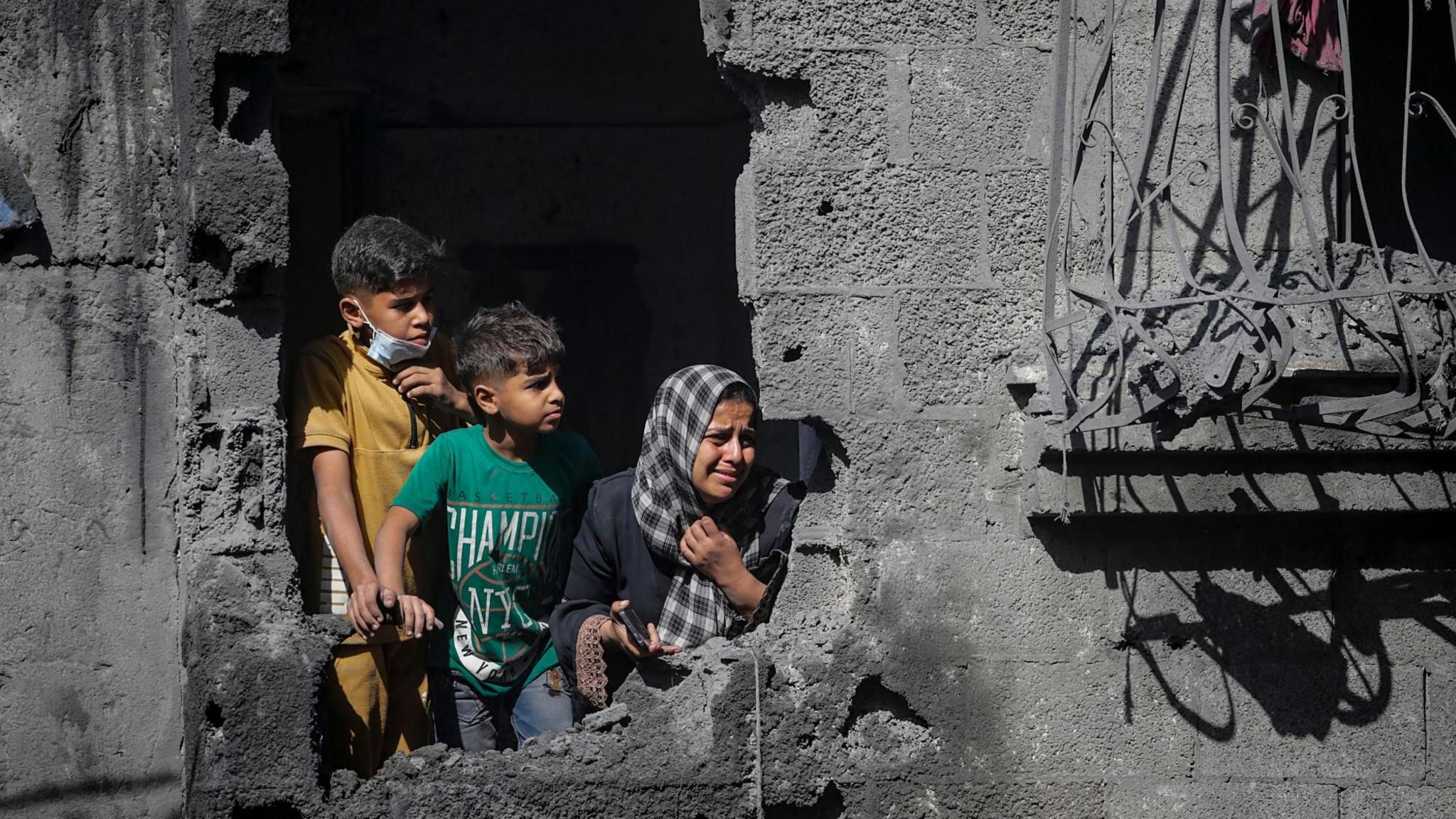
Abdelrahman is one of thousands of traumatized children I've met in my nearly four decades of reporting on conflicts. Certain faces are embedded in my memory. Some as though I had only met them yesterday. They reflect the depth of terror inflicted on children in our time.
Numbers show the vast crisis: 520 million children were living in conflict zones worldwide in 2024, according to a report by the Peace Research Institute Oslo. Professor Theresa Betancourt describes this crisis as the largest humanitarian disaster since World War Two. Studies indicate how exposure to trauma could shape children's brain development, impacting their behavior, mental health, and learning.
As the world sees multiple conflicts inflicting pain on children from Gaza to Ukraine, experts agree on the urgency of addressing these issues. They advocate for stable environments that underscore the need for community support and educational opportunities as key elements for recovery. The article lays bare the grim reality that behind each statistic is a child wrestling with uncertainty, yearning for peace, and grappling with the scars of conflict that may last a lifetime.
The first thing was that Abdelrahman's dad was killed. The family home was struck by an Israeli air strike. The boy's mum, Asma al-Nashash, 29, remembers that they brought him out in pieces. Then on 16 July 2024 an air strike hit the school in Nuseirat, central Gaza. Eleven-year-old Abdelrahman was seriously wounded. Doctors had to amputate his leg.
His mental state began to deteriorate. He started pulling his hair and hitting himself hard, Asma recalls. He became like someone who has depression, seeing his friends playing and running around… and he's sitting alone.
When I meet Abdelrahman at a hospital in Jordan in May 2025, he is withdrawn and wary. Dozens of children have been evacuated to the Kingdom from Gaza for medical treatment. We will return to Gaza, he tells me. We will die there.
Abdelrahman is one of thousands of traumatized children I've met in my nearly four decades of reporting on conflicts. Certain faces are embedded in my memory. Some as though I had only met them yesterday. They reflect the depth of terror inflicted on children in our time.
Numbers show the vast crisis: 520 million children were living in conflict zones worldwide in 2024, according to a report by the Peace Research Institute Oslo. Professor Theresa Betancourt describes this crisis as the largest humanitarian disaster since World War Two. Studies indicate how exposure to trauma could shape children's brain development, impacting their behavior, mental health, and learning.
As the world sees multiple conflicts inflicting pain on children from Gaza to Ukraine, experts agree on the urgency of addressing these issues. They advocate for stable environments that underscore the need for community support and educational opportunities as key elements for recovery. The article lays bare the grim reality that behind each statistic is a child wrestling with uncertainty, yearning for peace, and grappling with the scars of conflict that may last a lifetime.