On a still, gray Sunday, the government building in Baglung, western Nepal—used for local administrative tasks—collapsed straight into the raging Daram River. Heavy monsoon rains the week before had turned the area into a disaster zone, leaving authorities scrambling.
Witnesses with phones captured the moment the building, standing precariously on a sloping ledge, simply slipped off and vanished into the water. The footage sent a sharp warning mark across the internet.
Safety crews were swift—first pulling critical documents and computers out, then ensuring that nobody was in the building when it fell. The town’s ward chair, Tej Thapa, confirmed that no injuries were reported.
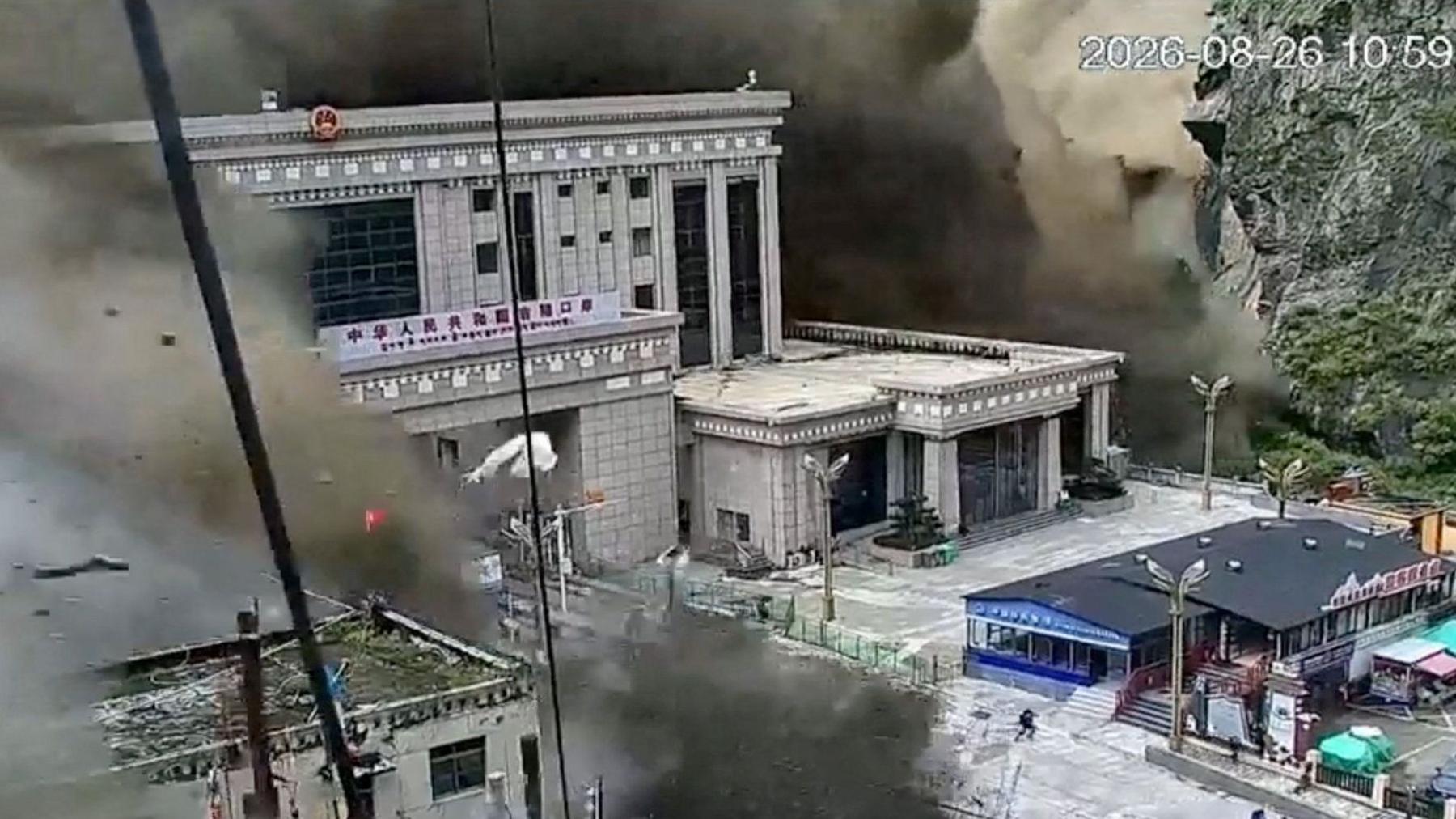
This event is now the latest in a string of recent calamities. Nepal’s national disaster agency reports at least 27 people have died from Landslides and floods in the past few days. A few weeks prior, the country endured a devastating flood along the Nepal‑Tibet border that killed 1,400 people and left many others missing.
For locals and news followers alike, the collapse is a humbling reminder that even structures built for governance can be undone by nature’s fury—especially when extreme weather events grow more frequent and powerful.