In brief
In Serrinha dos Pintos, a remote Brazilian town, the rare Spoan syndrome has affected many due to cousin marriages, as geneticist Silvana Santos investigates and raises awareness.
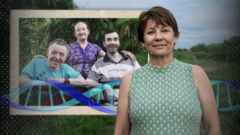
In the remote town of Serrinha dos Pintos in northeastern Brazil, the mystery of a rare genetic disorder known as Spoan syndrome has slowly been unveiled thanks to the dedicated work of geneticist Silvana Santos. With a population of under 5,000, this isolated community was baffled for years, witnessing many children lose their ability to walk without a diagnosis.Santos first arrived in the town over two decades ago, motivated by stories from her neighbors in São Paulo, where many had their roots in Serrinha. Intrigued by multiple reports of disabilities among children, she immersed herself in research, eventually identifying Spoan syndrome as a previously unknown condition caused by a genetic mutation inherited from both parents.Before her groundbreaking work, families had no answers for the debilitating condition that afflicted their loved ones. Parents like Marquinhos expressed the transformation since Santos's arrival: "She gave us a diagnosis we never had. After the research, help came: people, funding, wheelchairs."The social dynamics of Serrinha play a significant role in the prevalence of Spoan. Geographically isolated with a high rate of marriages among relatives—estimated at over 30%—the community faces a slightly higher risk of genetic disorders transmitted through generations. While unrelated couples have a 2-3% chance of having a child with a rare genetic condition, cousin couples increase this risk to 5-6%.Santos's journey to uncover the genetic links behind Spoan took years of dedication, prompting her to relocate closer to her research site. Gathering DNA samples and family histories, her efforts culminated in a 2005 publication confirming Spoan's existence, and in subsequent studies, she noted nearly a third of the couples in her research had a child with a disability.Despite limited progress toward a cure, awareness has shifted perceptions in the community, moving from stigmatizing individuals as "cripples" to accepting them as respected members with a condition. Nowadays, wheelchairs have empowered many to lead more independent lives.Looking ahead, Santos is involved in a new project screening couples for genetic risks associated with recessive diseases, striving to ensure that while cousin marriages continue, communities can understand the implications of their genetics. Although she no longer lives in Serrinha, her heart remains with its people, whom she considers family.