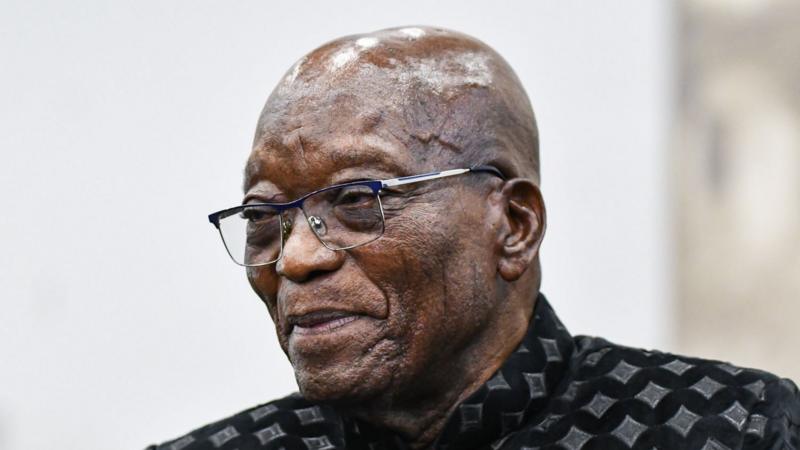
Picture that last week shook South Africa: former President Jacob Zuma was photographed standing with Ajay Gupta, one of the Gupta brothers at the center of the country’s 2010‑19 state‑capture scandal, within a temple in India.
The photo, shared by Indian media, reignited a fury that still haunts South Africans—many believe that their country’s wealth was siphoned off through the Gupta family’s shadow connections with Zuma and his inner circle.
Cabinet minister Khumbudzo Ntshavheni blasted the meeting, calling it a “middle finger” to South African taxpayers and a disgrace to the nation’s democratic process. She added that it was “unacceptable” for the high commissioner to India to accompany Zuma.
Despite the backlash, Zuma, now leading the uMkhonto weSizwe (MK) party, told reporters he wants to stand for re‑election. The move has spurred an investigation and sparked fears of a “parallel foreign policy” and continued corruption influence.
The story, captured by the BBC, reminds a new generation that political betrayals and corruption scandals can have lasting impacts on a nation’s future—and that the fight for accountability never truly ends.