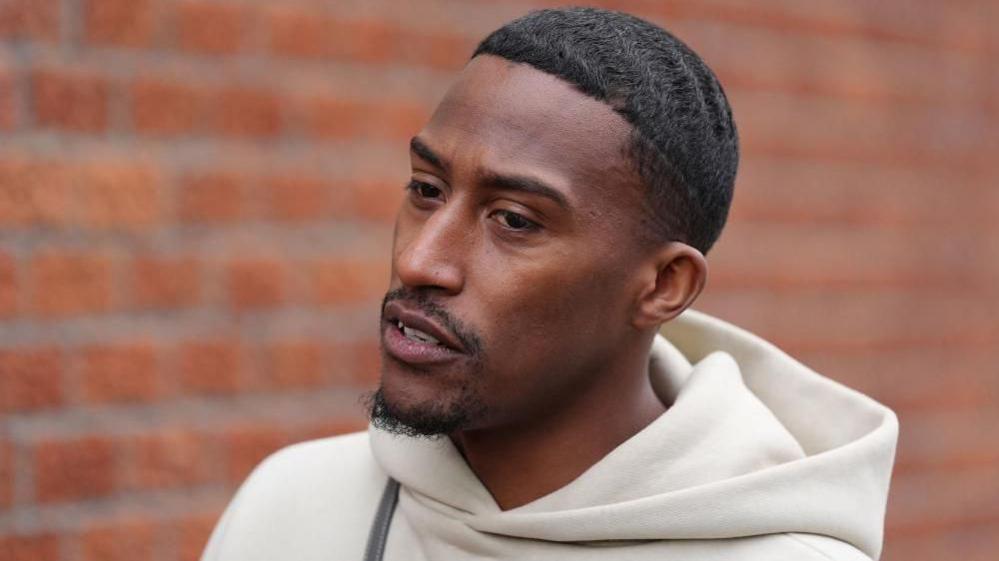
In a historic verdict, Conor McGregor was found guilty of sexual assault by a jury in Dublin, leading to a surge of backlash against the MMA star. The ruling resulted in retail brands pulling McGregor-associated products and murals depicting him being painted over. Nikita Hand, who accused McGregor of rape at a Dublin hotel in 2018, was awarded €250,000 in damages. The case has not only changed public opinion but also created a ripple effect in Ireland, with many distancing themselves from a once-admired figure.
The MMA fighter, previously celebrated as a national icon, has now found himself engulfed in controversy. Following the verdict, major retailers in both the UK and Ireland rapidly removed his product lines, signaling a clear shift in support. Proximo Spirits, which acquired his whiskey brand, announced it would stop featuring him in marketing, while the gaming company IO Interactive and Ireland's National Wax Museum severed ties too.
McGregor's storied past includes major fighting victories that made him a household name, but his legal and personal troubles—including past arrests and the recent lawsuit—have marred his reputation. As public sentiment shifts, some contend that the support he once enjoyed in his home country has dwindled, with many unwilling to recognize him as a role model any longer.
In the aftermath of the ruling, the Dublin Rape Crisis Centre reported a dramatic increase in calls from sexual assault survivors, highlighting the impact of the case on wider societal conversations. As loyalty to McGregor crumbles, gyms and individuals alike are reevaluating his legacy, leading to public disavowals of his once-celebrated image. The verdict may signify more than just a judgment in McGregor's case; it could represent a cultural turning point regarding accountability for high-profile figures in Ireland.
The MMA fighter, previously celebrated as a national icon, has now found himself engulfed in controversy. Following the verdict, major retailers in both the UK and Ireland rapidly removed his product lines, signaling a clear shift in support. Proximo Spirits, which acquired his whiskey brand, announced it would stop featuring him in marketing, while the gaming company IO Interactive and Ireland's National Wax Museum severed ties too.
McGregor's storied past includes major fighting victories that made him a household name, but his legal and personal troubles—including past arrests and the recent lawsuit—have marred his reputation. As public sentiment shifts, some contend that the support he once enjoyed in his home country has dwindled, with many unwilling to recognize him as a role model any longer.
In the aftermath of the ruling, the Dublin Rape Crisis Centre reported a dramatic increase in calls from sexual assault survivors, highlighting the impact of the case on wider societal conversations. As loyalty to McGregor crumbles, gyms and individuals alike are reevaluating his legacy, leading to public disavowals of his once-celebrated image. The verdict may signify more than just a judgment in McGregor's case; it could represent a cultural turning point regarding accountability for high-profile figures in Ireland.