In brief
As tensions rise, experts consider the long-term effects on the economy and trade alliances.
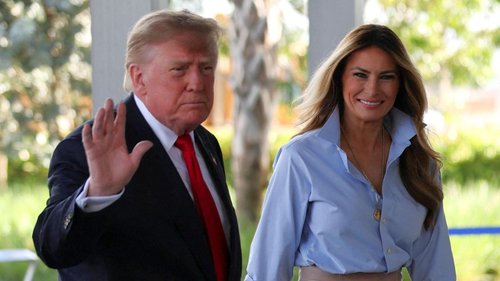
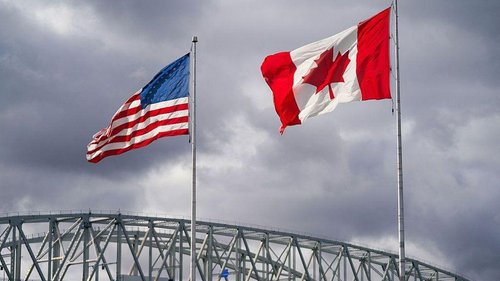
In a significant move, US President Donald Trump has launched new tariffs against over 90 countries worldwide, officially taking effect this week. This step follows Trump's commitment to reshape trade dynamics, encouraging job creation and manufacturing in America. He indicated that billions would flow into the US from these tariffs, activated just before countries could negotiate new trade agreements.Among the bold strategies, Trump aims to ramp up the tariff on imports from India to 50% unless it ceases purchasing Russian oil, while contemplating a steep 100% tariff on foreign-made computer chips. With these tariffs, the Trump administration seeks to address what it views as an unfair global trading system and reduce the US trade deficit—the gap between imports and exports.As these tariffs unfold, experts highlight the implications for economies worldwide, particularly in Southeast Asia, where nations like Laos and Myanmar are facing levies as high as 40%. The average tariff rate has reached a near-century high, affecting various products, from vehicles to steel.Though recent fluctuations caused uncertainty, Asian markets responded positively, showing slight growth following the announcement. Major economies like the UK, Japan, and South Korea have struck agreements to secure lower tariffs, while the EU has accepted a new tariff structure.However, nations like Switzerland are bracing for a hefty 39% tariff on their goods, stirring concerns about economic impacts. Taiwan, an important ally for the US, has received a temporary 20% tariff amid ongoing negotiations for better terms.On the domestic front, higher tariffs were also enforced on Canada and Mexico, with ongoing discussions aimed at final resolution. Notably, Trump's tariffs align with broader geopolitical strategies, including potential action against Russia's trade partners amid the ongoing war in Ukraine.As the trade war intensifies, market analysts speculate on Trump's motives and the countries that may find themselves next on his tariff agenda. With Apple responding to tariff pressures by committing a massive $100 billion investment in the US, the implications of these tariffs are far-reaching in both domestic and international arenas.