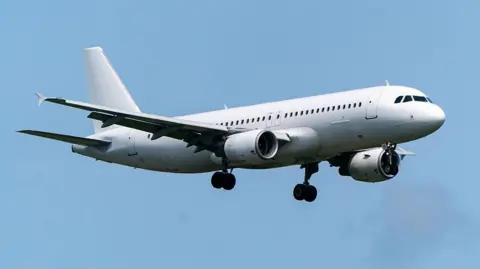
Aviation experts are buzzing about a new, affordable fix for the climate-harming vapours produced by jet planes. A recent study suggests that with tweaks costing less than £4 per flight, these damaging contrails could be effectively tackled. Also known as "jet condensation trails," contrails contribute to global warming by trapping heat and essentially doubling the heating effects of fossil fuels used in aviation.
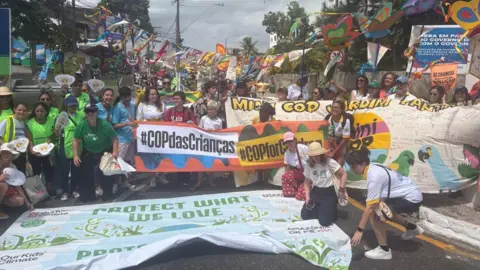
This issue will make its debut at this year's UN climate conference, COP29, in Baku. Contrails form when a plane flies through cold, humid air, causing water vapours from the engines to condense. While the science behind contrails has been understood for years, the full extent of their warming impact has only recently come to light.
Carlos Lopez de la Osa from the Transport & Environment group states that contrails create artificial clouds that hinder heat from escaping the Earth. Remarkably, they have a warming effect similar to that of aviation's carbon emissions. Despite some wild conspiracy theories suggesting otherwise—like claims that contrails are "chemtrails" meant for mind control—the science is clear: these ideas are unfounded and confuse crucial climate discussions.
During COP29, experts will highlight how minor alterations in flight paths for a small percentage of flights could drastically cut contrail-related warming by more than half by 2040. The research found that just 3% of flights contribute to 80% of this warming, particularly affecting regions over North America, Europe, and the North Atlantic. Evening and winter flights show the highest warming.
Experts stress the need for flight planners to consider contrail formation areas when plotting routes. With solutions on the table, tackling contrails presents a promising climate win with minimal investment compared to the hefty spending on sustainable aviation fuels. By sharing this information at COP29, researchers hope to amplify awareness of this easy yet impactful solution for our planet.