In brief
Massive protests occur throughout the US, with demonstrators addressing issues from immigration to economic policies, following recent tariff announcements and Trump's golf weekend.
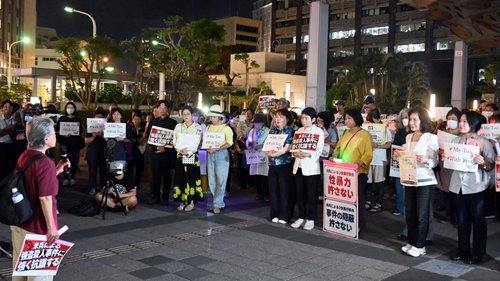
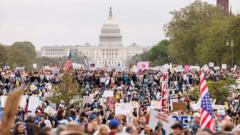
Crowds of protesters took to the streets in cities across the United States on Saturday, marking one of the largest demonstrations against President Trump since he took office. The "Hands Off" protest initiative aimed to organize rallies in 1,200 locations nationwide, and cities like Boston, Chicago, Los Angeles, New York, and Washington DC witnessed a significant turnout. Dissatisfaction with Trump's agenda—covering a range of topics from immigration to foreign policy—spurred the demonstrations, which even extended to international cities such as London, Paris, and Berlin.In response to Trump's announcement about tariffs impacting global trade, many protesters expressed their discontent with issues including immigration policies that have affected university students across the US. For instance, law student Katie Smith highlighted the case of an international student whose arrest was filmed by witnesses near Tufts University, prompting her to engage in activism despite previously feeling detached.The protests featured impactful chants, including "hands off Canada" and criticism of Trump's foreign policy approaches toward countries like Greenland and Ukraine, drawing attention to contentious topics in his administration. In Washington DC, the crowd listened to speeches from Democratic lawmakers who criticized the influence of wealthy donors in politics, with Florida Congressman Maxwell Frost directly addressing the financial clout underpinning Trump's governance.Recent election results suggest budding opposition to Trump's influence, with Democrats gaining ground in critical districts, prompting speculation about his declining approval ratings. Various polls have revealed a drop in support for his economic handling, marking a shift in public sentiment since his second term began.In defiance, protesters communicated messages about the erosion of democratic rights and economic concerns, even as Trump chose to spend the day golfing, away from public engagements. The White House defended the president's policies amid the ongoing protests, emphasizing commitments to programs like Medicare while framing Democrats as the primary threat to these benefits. One Trump advisor dismissively noted the protests, asserting they would not alter the "facts of the case."As demonstrators continued to rally across the country, their message resonated, signaling a growing wave of discontent directed at the Trump administration's policies.