In brief
As rebels take control of Damascus, Trump’s history of opposing military engagement raises questions about America's future role in Syria.
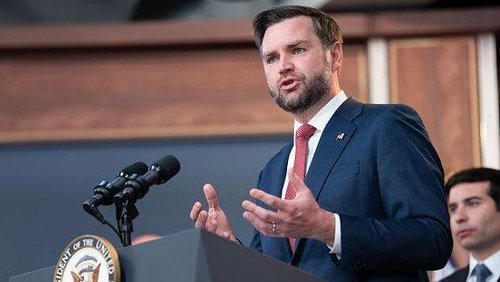
In January, President-elect Donald Trump will step into office amid a fresh crisis in Syria, where rebels have recently taken Damascus. With a history of criticizing U.S. military interventions, Trump has expressed a desire for a hands-off approach to international conflicts. His dismissal of Syria as a "land of sand and death" reflects a broader skepticism towards American involvement in Middle Eastern affairs, suggesting he may not wish to embrace the complexities of a country now largely run by factions with extremist ties.Trump's statements emphasize a "let it play out" philosophy regarding Syria’s civil war, which has continued since 2011. This perspective aligns with Vice President-elect JD Vance's sentiments against U.S. interventionism. Additionally, Trump’s anticipated nomination of Tulsi Gabbard as director of national intelligence indicates a preference for leaders who share his vision of non-involvement.The changing landscape in Syria presents Trump with challenges as he navigates the demands of global relations while attempting to uphold his pledge of non-engagement. As events unfold, the true direction of U.S. policy may reveal itself amid ongoing debates among advisors and allies.