In brief
Withdrawal from the W.H.O. might limit crucial health data and strengthen rival nations' influence.
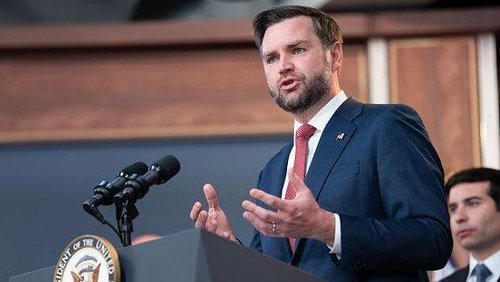
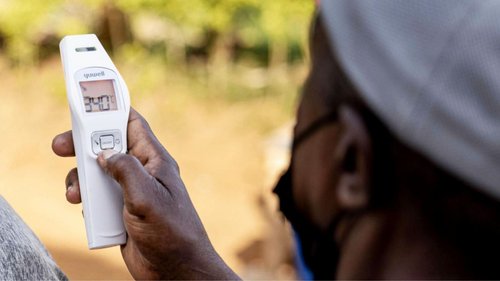
President Trump's recent announcement to withdraw the United States from the World Health Organization (W.H.O.) raises serious concerns about public health in America. Experts warn that this decision could jeopardize vital health information and programs that the W.H.O. manages, impacting areas like disease tracking and vaccine selection. The agency’s budget is relatively modest compared to U.S. healthcare spending, with $6.8 billion allocated for 2024-2025. Public health leaders argue that by stepping away, America might miss critical data on emerging and re-emerging diseases such as mpox, malaria, and measles. Additionally, the exit could empower nations like Russia and China to dominate global health discussions, which could further affect American pharmaceutical interests. The W.H.O. plays a crucial role in creating standardized disease classification systems and monitoring health issues that also affect American citizens, including flu season planning and antibiotic resistance.Former Assistant Secretary of Health Loyce Pace highlights that international cooperation is essential, asserting that no country can address these global issues independently. Despite a year until any withdrawal takes effect, organizations like the W.H.O. are already feeling the financial strain from this announcement. With potential repercussions looming for public health at home and abroad, this withdrawal creates a pressing dialogue about America's role in global health efforts.