In brief
The two leaders discuss the future of peace negotiations, the war in Ukraine, and America's shifting stance.
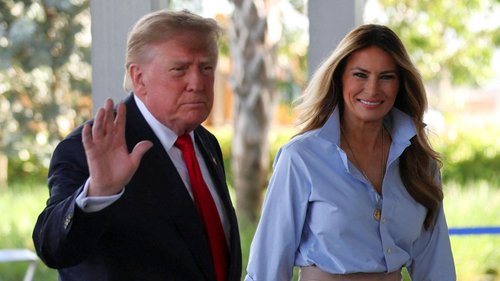
President Trump welcomed French President Emmanuel Macron to the White House during a critical time in global relations, as tensions rise regarding Ukraine's ongoing conflict with Russia. Their meeting coincided with the third anniversary of Russia's invasion of Ukraine, with Trump notably blaming Kyiv's actions rather than Moscow's aggression.This encounter was marked by a vigorous handshake, a display of dominance similar to their previous interactions. In the Oval Office, Trump's comments raised eyebrows; he hesitated to label Russian President Vladimir Putin as a dictator while referring to Ukraine's President Zelensky in that manner. Trump portrayed a potential future visit to Moscow if a peace deal materializes, a move that could be advantageous for Putin amid war crime allegations.Amid criticism for sidelining European leaders from key negotiations, Trump emphasized the necessity for Ukraine to cede expansive mineral rights to the U.S. as repayment for military assistance. Treasury Secretary Scott Bessent indicated progress in negotiations between U.S. and Ukrainian teams, but the relationship between the U.S. and its European allies remains strained.Macron is reportedly seeking to strategize a united response among European nations and find ways to engage with an increasingly unpredictable U.S. under Trump's leadership. The atmosphere during their meeting underscores the challenges ahead for international diplomacy and security in Europe.