In brief
John Simpson, the BBC's world affairs editor, highlights the unique and alarming geopolitical climate of 2025, marked by ongoing wars in Ukraine, Gaza, and Sudan, accompanied by rising tensions involving major powers like Russia and China. He emphasizes that the current conflicts threaten not just regional stability but the potential for a broader global confrontation, particularly between the West and Russia. The year has exposed vulnerabilities in U.S. foreign policy under President Donald Trump, suggesting a shift towards isolationism.
Sensitive content: This article contains a graphic description of death that some readers may find upsetting.
I've reported on more than 40 wars around the world during my career, which goes back to the 1960s. But 2025 is different. From the conflict in Ukraine, threatening a potential world war, to massive casualties in Gaza and ongoing turmoil in Sudan, the stakes have never been higher.
Ukraine's President Volodymyr Zelensky warns that the conflict could escalate into a world war. NATO is on high alert for attacks from Russia, which has been accused of various cyber and physical assaults. This climate of fear is not new, but the implications are more global and severe than ever.
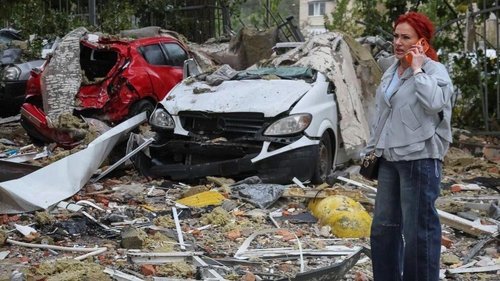
The wars unfolding now have significant humanitarian costs. In Ukraine, 14,000 civilians have reportedly died, in Gaza, casualties mount daily under military actions, and Sudan's civil war has led to around 150,000 deaths and millions displaced. As the devastation continues, world leaders grapple with the repercussions.
In the U.S., President Trump's foreign policy has shifted the focus back to America's own interests. Many are left wondering who will step in should the conflict escalate further. 2026 could see a shift in Ukraine's territories due to potential peace negotiations, yet with President Putin's track record, can we trust he will not demand more?
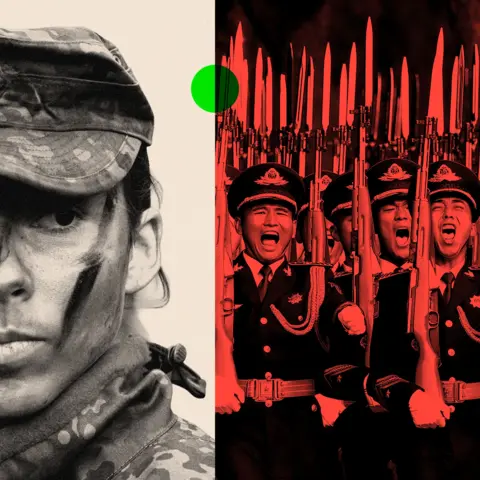
As we look ahead, the dynamics between China, Russia, and the U.S. will shape the global stage. President Xi Jinping’s ambitions regarding Taiwan and President Putin’s aggressive maneuvers put the Western alliance in a precarious position as isolationist tendencies rise in American politics.
The year ahead might see lowered tensions or a spiral into greater conflicts—a pivotal moment for global peace and security.