In brief
Chinese businesses are preparing for another round of trade tensions with the U.S., as Trump hints at tariffs aimed at curbing imports and reshaping supply chains.
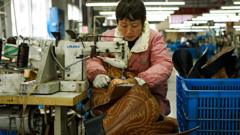
In a factory along China’s eastern coast, the sound of machinery assembles cowboy boots—an iconic piece of American culture—using materials sourced partly from the U.S. However, the looming threat of renewed tariffs under Donald Trump has left factory workers like Mr. Peng anxious about their futures. Since Trump's initial trade war began, businesses in China have seen a dramatic decrease in orders. For instance, Mr. Peng’s factory, once producing a million pairs of boots a year, now employs less than half of its previous workforce. Major brands like Nike and Adidas have relocated operations to Vietnam to mitigate potential tariff impacts. The Trump administration’s proposals include a potential 10% levy on Chinese goods beginning February 1, which has many factories reconsidering their manufacturing sites. Some companies are weighing a move to Southeast Asia, which could save costs but at the risk of losing longstanding employees. Amidst this uncertainty, China's manufacturing sector continues to show resilience. Businessman Huang Zhaodong has capitalized on U.S. companies seeking production alternatives, opening new factories in Cambodia to cater to brands like Walmart. Overall, while U.S.-China relations remain tense, China is reinforcing its position in Southeast Asia—under the Belt and Road Initiative—leading many Chinese businesses to adapt rather than resist. As wage costs in China rise and tariffs loom, workers like Mr. Peng hope for a fair resolution that keeps their livelihoods intact.