In brief
As Syria embarks on a new chapter following the overthrow of the Assad regime, sectarian violence continues to threaten unity among its diverse communities.
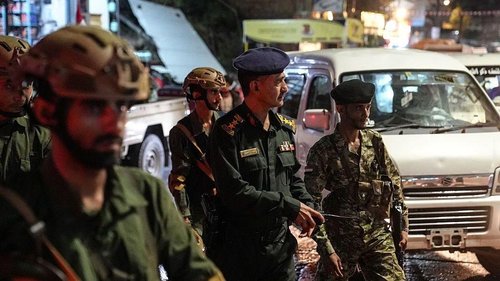
Despite a pledge to unify, the new government's struggle with extremist groups and the fears of minority populations are major hurdles in creating a stable Syria.The rebels that overthrew Bashar al-Assad in December stand on the brink of a new era for Syria. However, the reality of sectarian violence looms large, raising concerns among minority groups that the predominantly Sunni Arab-led government may fail to ensure their safety. In late April, violence erupted in neighborhoods around Damascus, largely home to the Druse minority, leaving dozens dead. The ongoing tension was further exacerbated by Israeli airstrikes aimed at defending the Druse from Islamist militants. This turmoil comes just months after the deaths of approximately 1,600 individuals, mostly from the Alawite minority, at the hands of extremist groups along the Syrian coast.As war monitors note, some of the extremist factions that committed these brutal acts are affiliates of the very rebel coalition that ended Assad’s rule. Although the new government has promised a national army comprised of various rebel factions, these extremist elements remain outside of its jurisdiction.Various minority groups, including the Druse, Alawites, and Kurds, have their own armed militias and have not disbanded since the end of the 14-year civil war. Alarmingly, some former members of the Assad regime are also taking up arms against the new authorities.This ongoing strife within the country underscores the urgent need for a resolution that respects all communities and addresses their safety concerns in this fragile post-war environment.