In brief
The 7.7 magnitude earthquake that struck Indonesia’s Flores island on Saturday has left a trail of destruction, killing at least 53 people and displacing 5,000 residents. Aid has not yet reached many affected villages, forcing survivors to sleep outside and rely on makeshift tents as aftershocks threaten further collapse. Reports of starvation have risen, and the government's response is hampered by limited resources and damaged infrastructure. Rescue teams have begun reaching isolated villages, but the threat remains as landslides block roads and communication is down. The disaster highlights Indonesia’s vulnerability to seismic activity and the urgent need for swift, coordinated relief efforts.
A powerful 7.7‑magnitude earthquake rattled Flores island on Saturday, killing at least 53 people and displacing around 5,000 survivors.
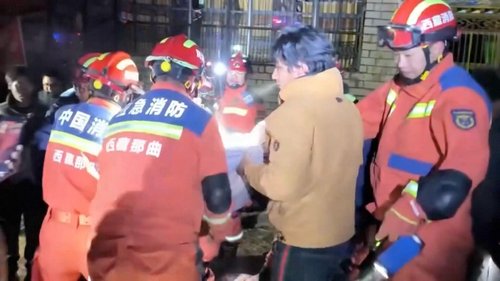
In the wake of the quake, aid has yet to arrive in many villages, and survivors are forced to sleep outside—covered by tarps or leaning against torn walls—out of fear that another tremor could collapse the structures.
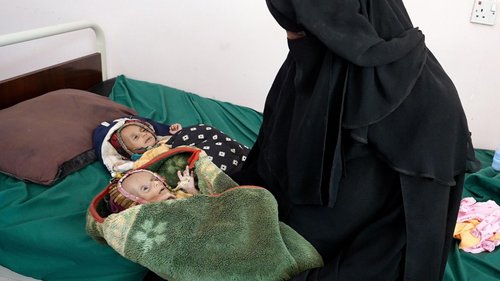
Temporary shelters have been set up in collapsed hospitals and open fields, but basic supplies such as food and clean water are scarce. Reports of hunger are mounting as roads are blocked by landslides and communication lines are down.
Local official Rista Mari from Ruteng Regional General Hospital said, “We heard that medical assistance would be provided, but nothing has arrived yet.” Meanwhile, a farmer in Labuan Bajo tells the BBC that the shaking was terrifying and the house nearly collapsed.
Rescuers reached an isolated village on Palue Island on Sunday night after a two‑hour, landslide‑ridden drive. The village, which had been cut off for two days, still needs urgent aid for damaged homes and lack of electricity.
Indonesia sits at the convergence of three tectonic plates, making it especially prone to earthquakes and volcanic activity. The disaster underscores how fragile infrastructure and limited emergency resources can magnify the human toll.
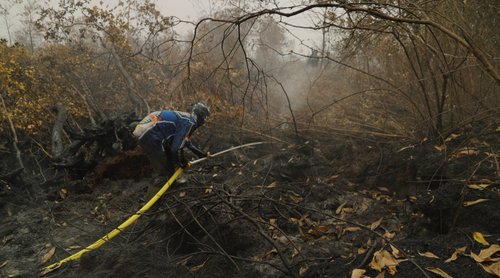
Images above illustrate the scene: survivors resting in an open field’s tent, a makeshift emergency tent in a ruined hospital, and a group sleeping outdoors amid fear of aftershocks.