In brief
Hospitals in Beijing are seeing a rise in flu-like HMPV cases, especially in kids, but health experts emphasize this virus is not new like Covid-19. HMPV is typically mild, spreading easily in colder months, and although it can affect vulnerable populations severely, there’s no major global panic required, according to specialists.
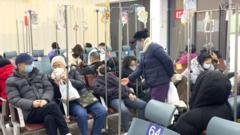
As Beijing grapples with a spike in human metapneumovirus (HMPV) cases labeled as flu-like, many hospitals are teeming with patients, raising alarms on social media. Public health officials attribute this climb, especially within pediatric populations, to a seasonal trend rather than an epidemic.HMPV, which has been monitored since its discovery in the Netherlands in 2001, usually leads to minor respiratory infections resembling the flu. Children under five and individuals with weakened immune systems are at the highest risk, as they can develop more severe symptoms. Typical signs include cough, fever, and nasal congestion, with serious cases potentially leading to hospitalization.The uptick in HMPV infections is synchronized with the colder months, particularly in Northern China, where cold weather enhances the virus's survivability and transmission. This seasonal increase aligns with trends observed in numerous Northern Hemisphere countries, including the US and UK, where cases began rising last October.Experts reassure that fears relating to a Covid-19-style pandemic are overblown. Unlike novel viruses, HMPV has been around for a long time, contributing to a more considerable existing immunity in the population. Almost all children will face at least one HMPV infection by age five, and reinfections are expected later in life.Given the typical mild nature of HMPV, specialists maintain a cautious stance of standard health precautions: wearing masks in public, practicing good hygiene, and staying informed about flu vaccinations. As the situation unfolds, it appears the seasonal surge of HMPV is manageable and not indicative of a larger global health crisis.