In brief
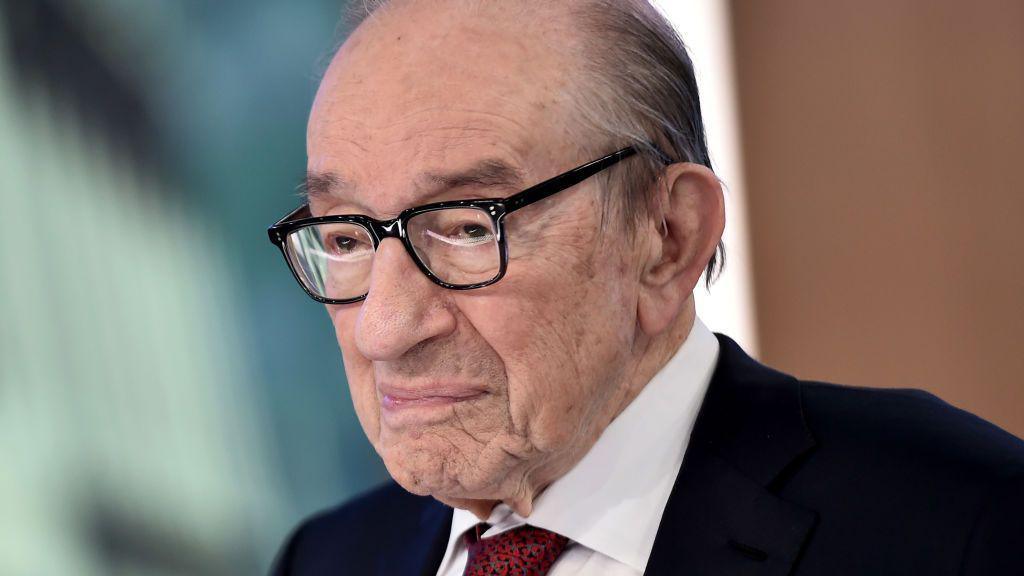
Alan Greenspan, the former chairman of the US Federal Reserve, has died at the age of 100 after a career that helped steer the American economy for 19 years. He is remembered for guiding the country through a period of unprecedented growth, managing crises such as the 1987 crash and the 1990s dot‑com bubble, while also leaving critics accusing him of favoring easy credit policies. Despite his accolades, Greenspan faced scrutiny after the 2008 financial crash when he admitted his faith in self‑regulating banks was misplaced. His legacy will be debated for decades, but his influence on the global financial system is undeniable.
Former Federal Reserve chair, who steered the U.S. economy for two decades, passed away on Wednesday at the age of one hundred, after complications from Parkinson’s disease.
A 19‑Year Tenure of Calm and Chaos
Greenspan directed the Fed from 1987 to 2006, a period that included the stock market crash of 1987, the dot‑com boom and bust of the late 1990s, and the 2008 financial collapse. He was praised for slowing the market after 9/11 and encouraging a quick credit squeeze to curb bubble growth, but critics say his low‑rate stance let a housing boom become harmful.
Contributions and Controversies
Greenspan earned the Presidential Medal of Freedom, an honorary knighthood, and was instrumental in keeping the U.S. economy largely out of recession. Still, after 2008 he acknowledged that he misjudged the rise of risky mortgages and that banks should not have been left to self‑regulate.
The Man Behind the Numbers
Before politics, Greenspan was a clarinet player and a jazz drummer. A shy figure who rarely spoke to media, he influenced presidents from Nixon to Clinton, and met figures such as Ayn Rand, whom he admired for her belief in personal ambition.
A Legacy For the Ages
As economists debate his legacy, one thing is clear: he shaped policy in ways that still influence how the Fed talks about inflation and interest rates. His centenary was celebrated in March 2026, and he remains a symbol of financial authority, even as his name appears in headlines about today’s economic challenges.