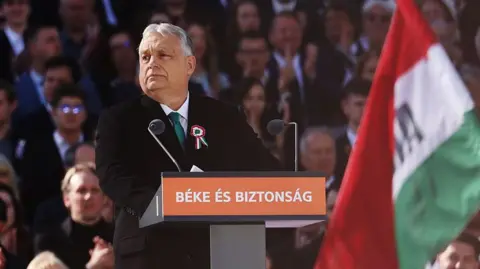
Viktor Orban's Fidesz government in Hungary stands accused of mass voter intimidation in a film released on Thursday ahead of 12 April parliamentary elections, in which the ruling party is trailing in the opinion polls. The documentary, 'The Price of the Vote,' aired at a Budapest cinema and on YouTube, presenting findings from a six-month investigation by independent filmmakers.
In the film, voters, mayors, former election officials, and police officers allege that large sums of money and even illegal drugs are being offered to pressure people to vote for Fidesz. The accusations indicate that 53 of Hungary's 106 individual constituencies and as many as 600,000 voters could be affected, potentially impacting 10% of the expected turnout of six million.
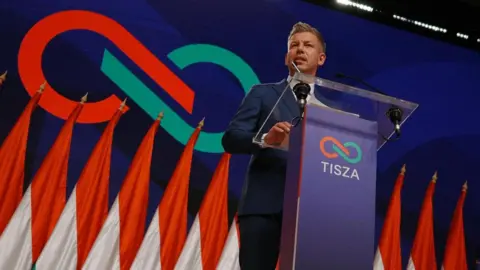
After 16 years of Fidesz rule under Orban, most recent polls suggest that the party is trailing Peter Magyar's center-right opposition party Tisza. The targeted constituencies are mostly rural or small-town communities increasingly influenced by Fidesz since 2010.
Local mayors are portrayed in the film as holding power over residents' daily lives, controlling resources like work opportunities, transport, and medicine in exchange for favorable votes. An independent investigation raises questions about the structure of electoral conduct in Hungary, with voters revealing offers of substantial payments and fears of retribution for non-compliance.
The documentary also highlights the troubling overlap between politics and local services, with serious implications for voter freedom and electoral fairness. Allegations of drug use as a means of securing votes paint a grim picture of the lengths some might go to retain power in Hungary.
In response to the film's allegations, the only government comment came from Tibor Navracsics, Minister for Public Administration, who suggested that the ministry of the interior would address any wrongdoing. The film's release occurs in a tense political atmosphere, where accusations of interference from foreign entities are increasingly bandied about, highlighting the fragility of public trust in the electoral process.
In the film, voters, mayors, former election officials, and police officers allege that large sums of money and even illegal drugs are being offered to pressure people to vote for Fidesz. The accusations indicate that 53 of Hungary's 106 individual constituencies and as many as 600,000 voters could be affected, potentially impacting 10% of the expected turnout of six million.
After 16 years of Fidesz rule under Orban, most recent polls suggest that the party is trailing Peter Magyar's center-right opposition party Tisza. The targeted constituencies are mostly rural or small-town communities increasingly influenced by Fidesz since 2010.
Local mayors are portrayed in the film as holding power over residents' daily lives, controlling resources like work opportunities, transport, and medicine in exchange for favorable votes. An independent investigation raises questions about the structure of electoral conduct in Hungary, with voters revealing offers of substantial payments and fears of retribution for non-compliance.
The documentary also highlights the troubling overlap between politics and local services, with serious implications for voter freedom and electoral fairness. Allegations of drug use as a means of securing votes paint a grim picture of the lengths some might go to retain power in Hungary.
In response to the film's allegations, the only government comment came from Tibor Navracsics, Minister for Public Administration, who suggested that the ministry of the interior would address any wrongdoing. The film's release occurs in a tense political atmosphere, where accusations of interference from foreign entities are increasingly bandied about, highlighting the fragility of public trust in the electoral process.