In brief
In Paris, high‑school students have turned school gates into barricades, drawing massive crowds and police scrutiny. The prime minister says the left is weaponising the movement, while activists claim it is a genuine fight for better education and living conditions. With France’s presidential election looming, the protests risk becoming a political tug‑of‑war. Behind the clashes lies a deeper debate over France’s shaky public finances and the call for institutional reform.
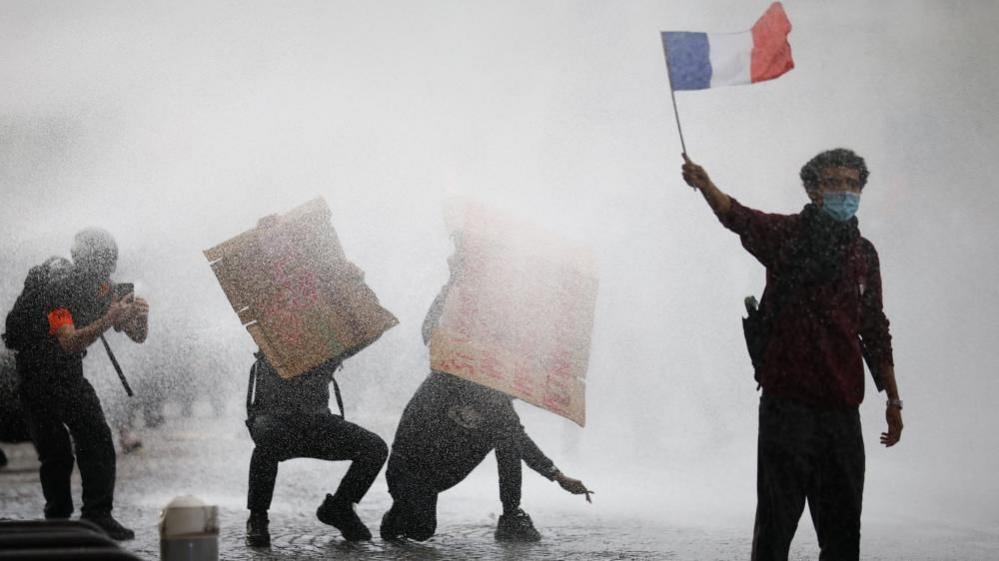
Picture this: masked youths block the entrance to a Paris high school, clutching signs that read “Change Now”. The noise reaches the street, and by evening a crowd of students, teachers and even some parents has gathered on the boulevard.
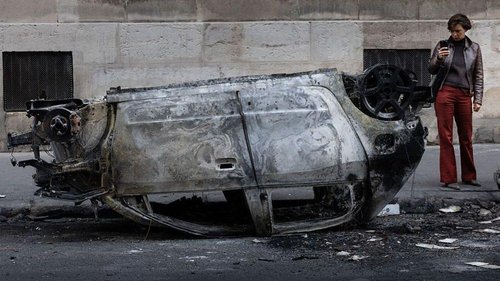
The scene looks familiar to anyone who watched the 1968 student uprisings, but this time the national media is saying the protests are part of a plan. French Prime Minister Sébastien Lecornu has accused the steering of the left‑wing France Insoumise party—led by Jean‑Luc Mélenchon—to use the unrest for an electoral advantage. He called the movement a “movement of urban violence” and urged lawmakers to crack down on any escalation.
In turn, students and activists say they are simply demanding better funding for schools, less class migration to overcrowded global city suburbs and a fairer sharing of national wealth. Jérôme Rodrigues, a long‑time gilets jaunes activist, used Instagram to rally support for Saturday’s marches, claiming the goal is "a society where no one has to decide between food and transport”.
The larger stakes are clear. France’s public spending is around 57% of GDP—one of the highest in Europe—while pension, health and education costs are set to climb. Economists warn that even a new president will struggle to flip the budgetary knife, given the entrenched system of the Fifth Republic and the highly politicised finance ministries.
Senator Anne‑Catherine Loisier says real change requires decentralising power from Paris to the regions, allowing local governments to tailor funding to specific needs. She argues that such local empowerment is the quickest way to make education and public services more effective—something the current administrations are reluctant to do.
The debate is not only about politics. French law has banned the use of stun grenades at school demonstrations after a tragic incident in Lens in which a teenager lost his hand. Public safety concerns have spurred some parents—including moms who accompany their kids to the protest—to voice opposition, but many see the protests as a chance to make the government listen.
For 17‑year‑old Lola, “Me and my mum are here because we want immediate change—not waiting for next year’s vote.” Her mother, a former student‑movement participant from 1968, believes the activism is a lasting legacy.
What does this mean for you, SnapScope readers? The protests are happening now, while the climate of tension is rising. If you care about education, public services and a fair wage system, you can join a petition demanding more transparent budgeting. Use social media with the hashtag #Education4All and share what reforms you think the government should adopt. Your digital voice might be the next step toward concrete change.