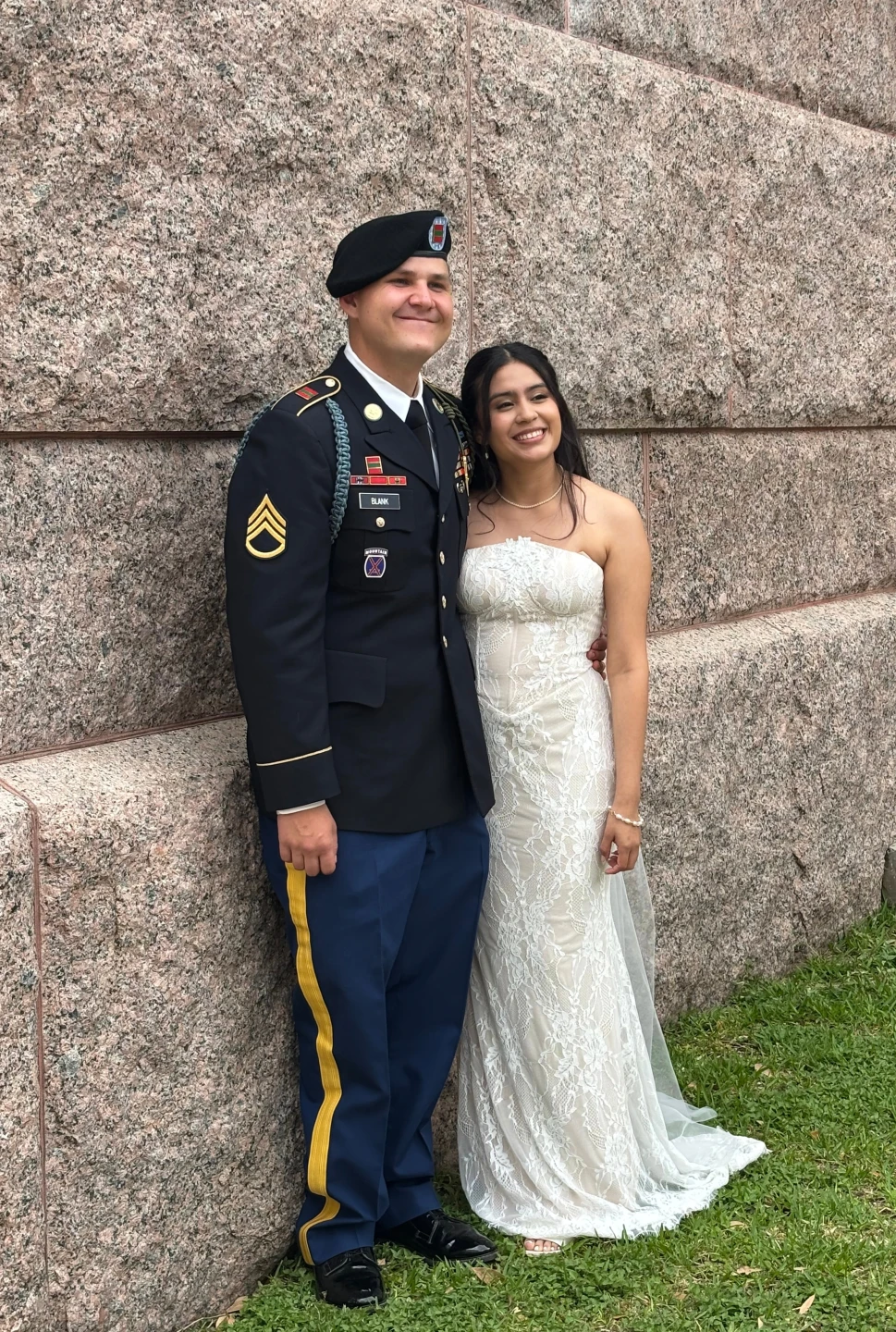
In New Orleans, a U.S. Army staff sergeant is desperately trying to prevent the deportation of his wife, Annie Ramos, just days after their wedding. The couple married in March and had intended to start their married lives together at Fort Polk, Louisiana. Unfortunately, immigration agents detained Ramos, who came to the U.S. from Honduras when she was less than two years old, citing a previous order of removal from 2005 due to her family's failure to attend an immigration hearing.
Military family advocates are alarmed, calling the detention demoralizing for service members during a time of increased military action. They argue that deporting spouses could deter potential recruits. The current administration's strict immigration policies have abolished previous leniency shown towards military families, with advocates saying that Ramos's case would have been handled differently in the past.
Ramos' husband stated that the situation has turned their honeymoon period into one of the hardest times of their lives. Experts express concern that the deportation of military spouses undermines national security and military readiness, as such uncertainties can impact troop morale. As Blank continues his fight to bring Ramos home, the case emphasizes the complex intersection of immigration law and military service.
Military family advocates are alarmed, calling the detention demoralizing for service members during a time of increased military action. They argue that deporting spouses could deter potential recruits. The current administration's strict immigration policies have abolished previous leniency shown towards military families, with advocates saying that Ramos's case would have been handled differently in the past.
Ramos' husband stated that the situation has turned their honeymoon period into one of the hardest times of their lives. Experts express concern that the deportation of military spouses undermines national security and military readiness, as such uncertainties can impact troop morale. As Blank continues his fight to bring Ramos home, the case emphasizes the complex intersection of immigration law and military service.