In brief
The iceberg, named A23a, has an interesting story about its long journey and potential impacts on the environment.
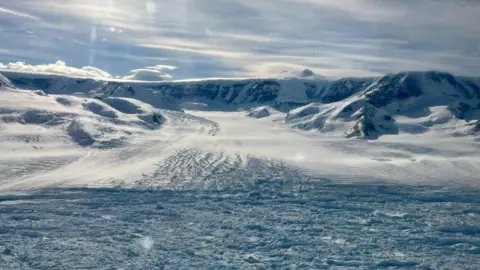
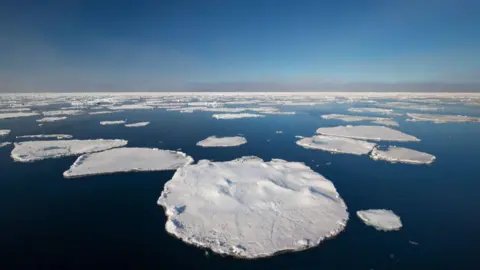
The world's largest iceberg, called A23a, has finally come to a stop near South Georgia Island in the South Atlantic Ocean after months of drifting. This enormous ice mass is four times bigger than New York City and has sparked conversations about climate change and its effects on our planet.A23a originated back in 1986 when it broke off from another iceberg, A23, during a process called calving. For many years, it floated undisturbed in the Weddell Sea until its journey began in 2020. Recently, it freed itself from the ocean floor and started moving towards the coast. By 2023, A23a was ready to leave Antarctic waters, eventually halting its journey just a stone's throw from wildlife-filled shores.While the idea of a "Titanic II" situation is largely unfounded, the grounding of A23a has raised questions about changing conditions in Antarctica and highlights the ongoing issues of climate change. Fortunately, local penguins and wildlife seem to be safe for now, but it’s a reminder of how interconnected our world is and the ongoing changes in our environment.