Blast Off! Artemis II Rockets into Space & What’s Next?
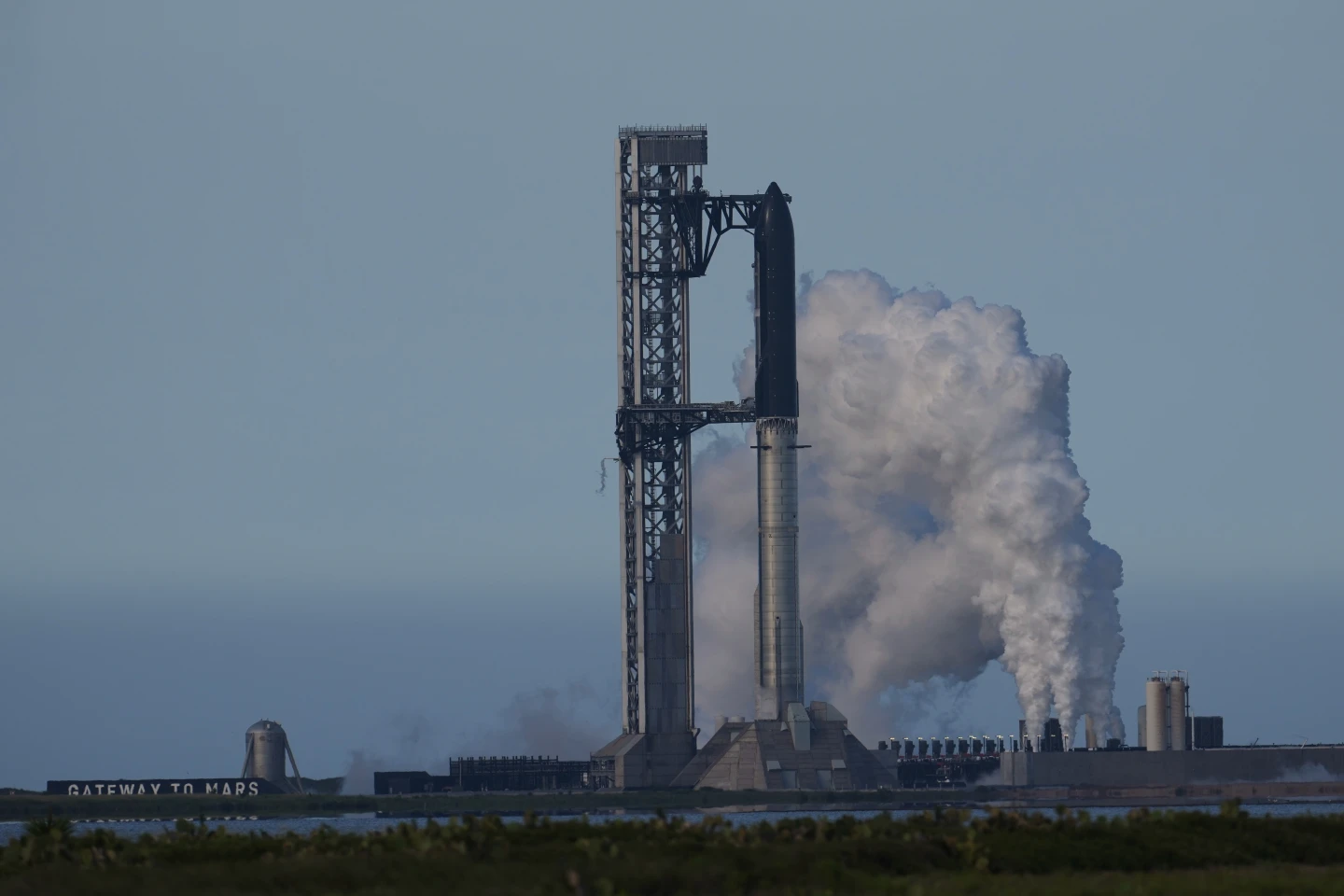
Nasa let out a collective sigh of relief as the Artemis II rocket successfully blasted off. This mission is not just a trial; it's pivotal for the safety of the four astronauts onboard and Nasa's reputation in the global space race.
Interestingly enough, beyond the critical aspects of the mission, there are also mundane questions. For instance, will the onboard toilet function correctly? When can the crew catch some sleep? Here’s what the next 24 hours look like for Artemis II.
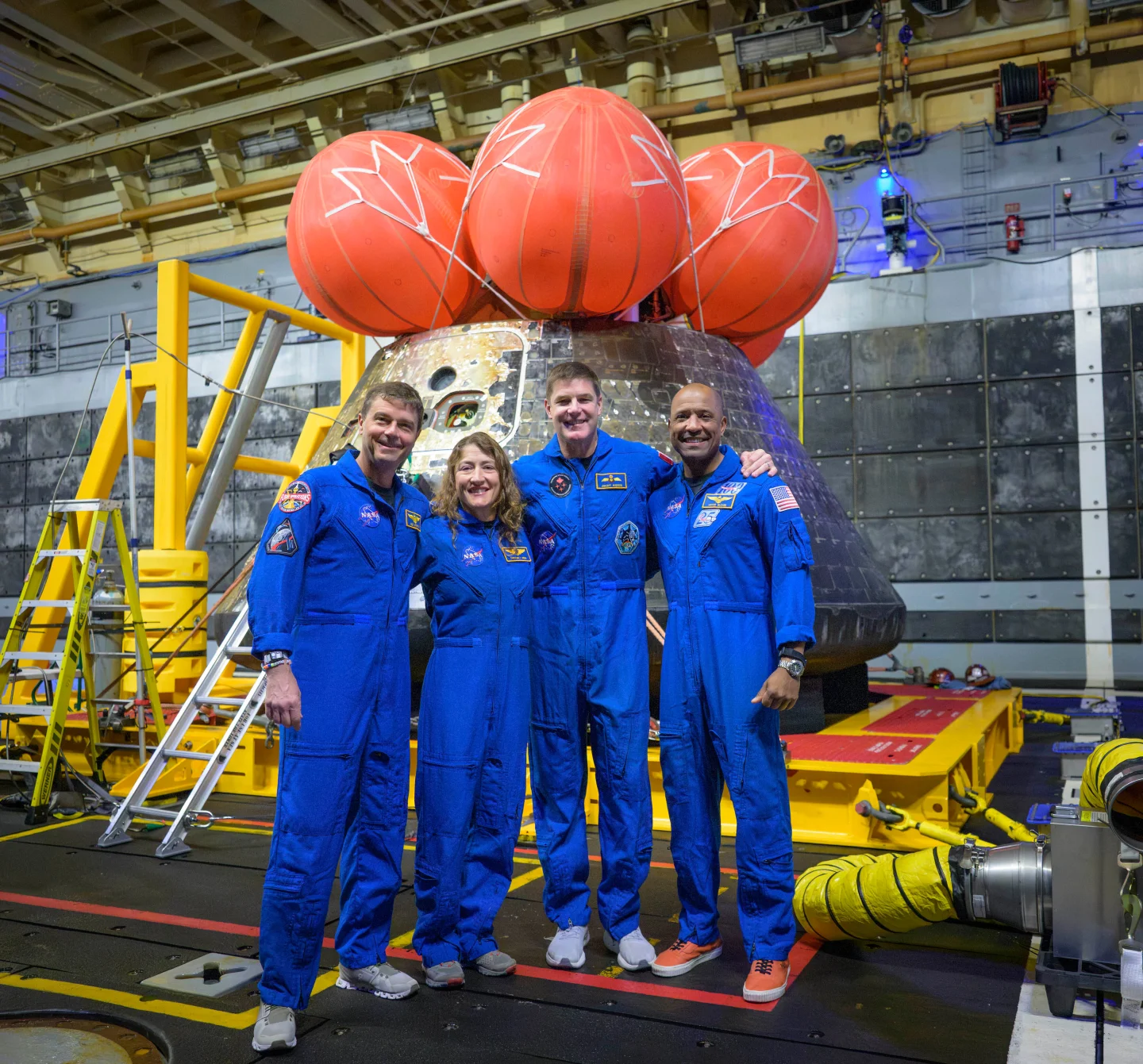
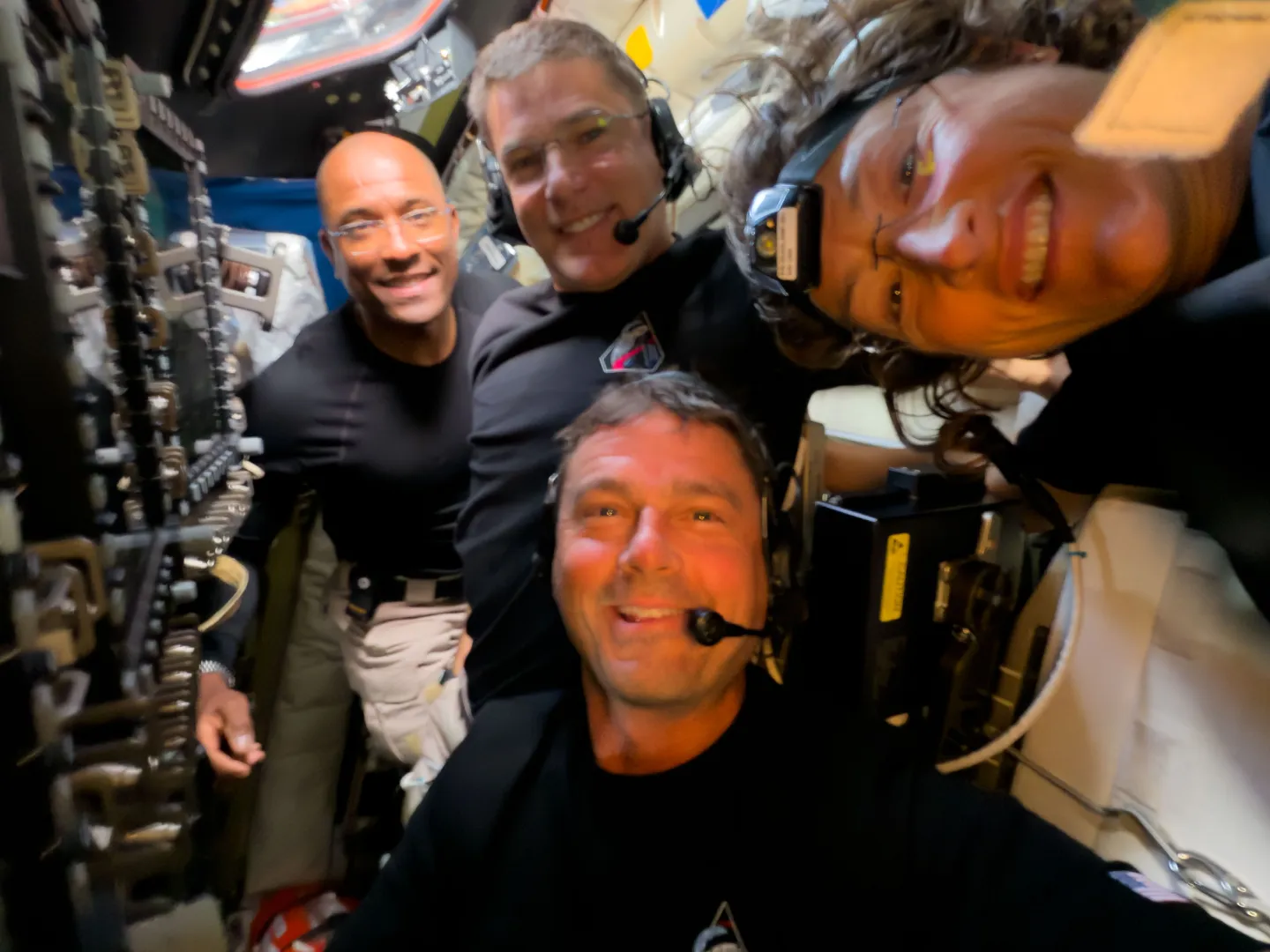
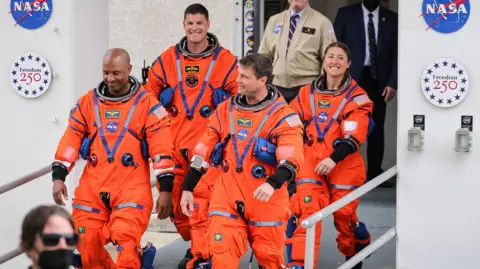
Currently, the crew—Commander Reid Wiseman, Victor Glover, Christina Koch, and Jeremy Hansen—are orbiting Earth about 42,500 miles up, rigorously testing the Orion spacecraft. Their first priority is ensuring all systems are functioning, especially those life support systems. Should something go wrong, the astronauts have specially designed suits that can keep them alive for around six days.
Unlike Apollo missions from the 60s and 70s, stages of the Artemis II journey are live-streamed to the public. Cameras inside the spacecraft are capturing everything—monitor checks, button pressing, and the astronauts even trying to track down their pajamas for a cozy sleep!
Every minute is tracked so the crew manages strict schedules, allowing for roughly eight hours of sleep over 24 hours—a challenge in zero gravity. They must strap themselves down to get some shut-eye, and even though this can be tough for some, many claim space offers them the best sleep ever. Daily exercise routines help them maintain muscle and bone density during their time in a weightless environment.
As for meals, the astronauts are dining on a carefully selected menu including macaroni cheese and beef brisket—just with a twist of space flair, requiring activation with water from onboard taps.
What's Next for the Crew?
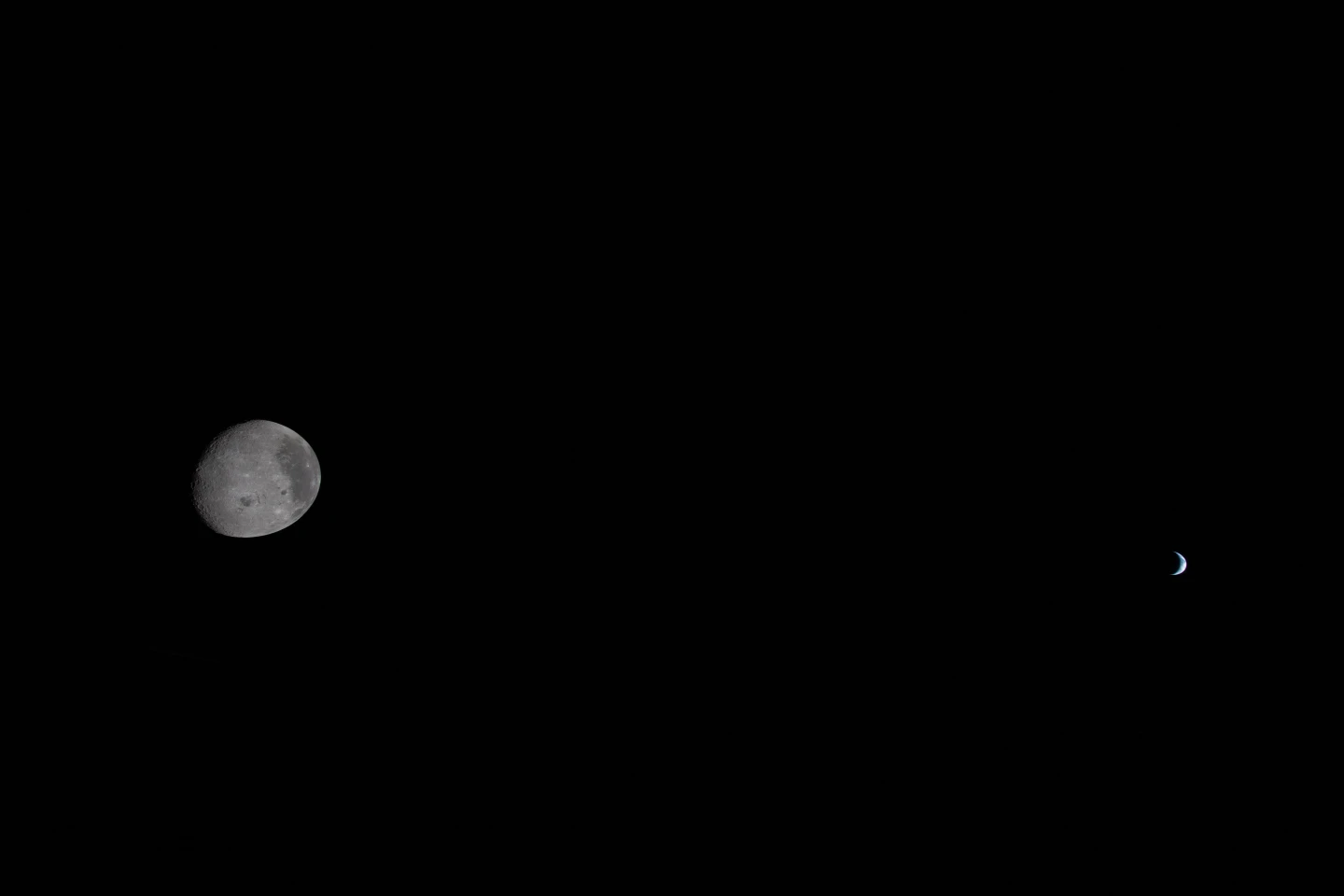
The coming days are building towards the 'trans-lunar injection' burn—an essential move sending them towards the Moon, meant to happen Thursday night. If all goes according to plan, this crucial step will allow Artemis II to utilize lunar gravity to slingshot back towards Earth, marking a significant leap in the mission.
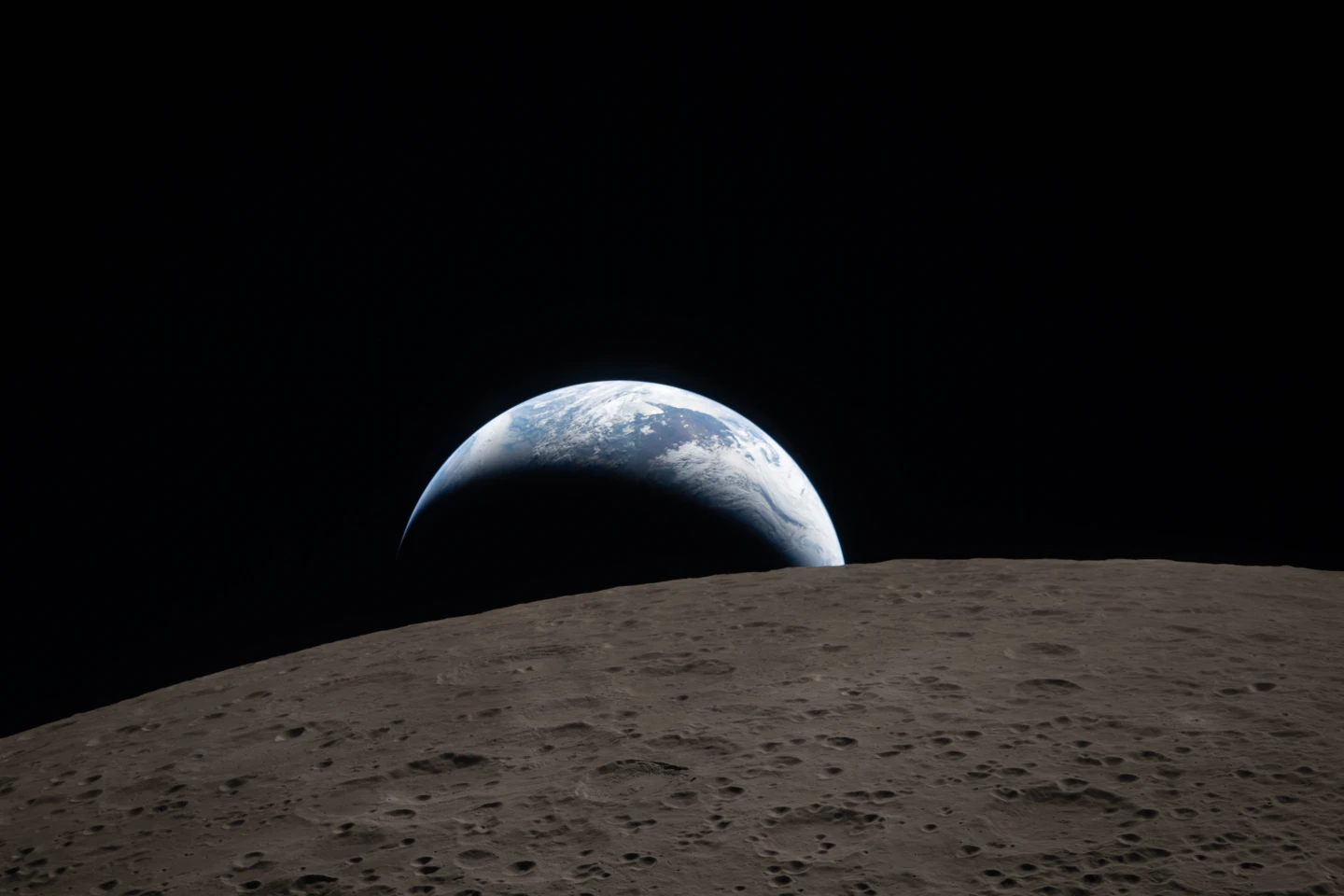
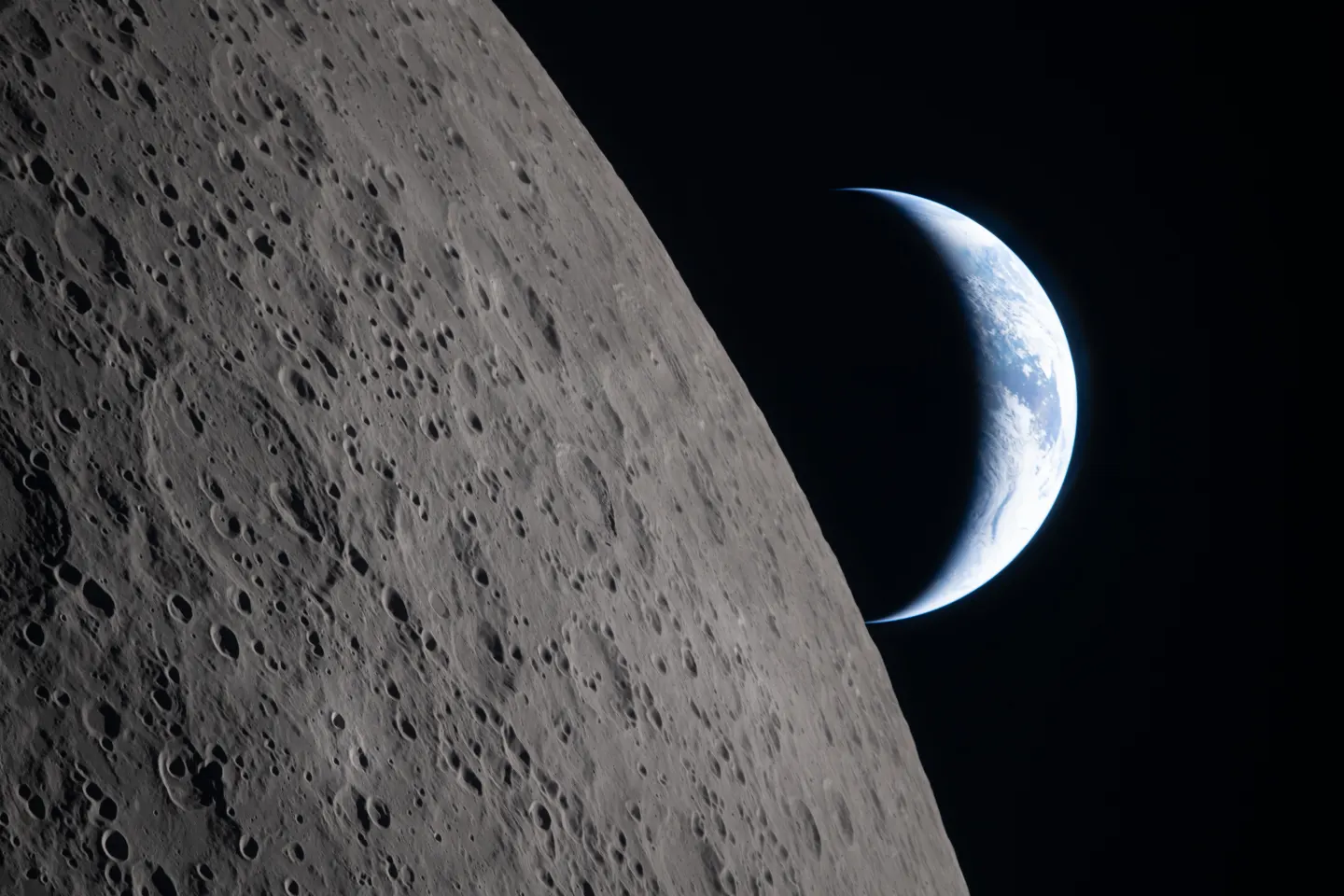
At the end of this mission, they will reach a distance of 6,400 miles beyond the Moon's far side, a visible first for humans. This mission allows us to learn and witness our Moon like never before—stay tuned for the updates, as the Artemis II crew continues their journey among the stars!