All they stand for is anger, hatred, and destruction, roared a hoarse Viktor Orban at a recent election rally. With the opposition party Tisza gaining ground in the polls, Orban's decades-long grip on power is being challenged like never before. The upcoming elections have become a focal point for discontent with the ruling Fidesz party, showcasing a shift in public perception as many view them as the 'corrupt ruling elite.' Orban has relied heavily on support from figures like Trump and Putin, but the landscape is changing, and his policies may no longer resonate with a populace craving change. As election day approaches, all eyes will be on Hungary to see if a new political era is on the horizon.
Can Viktor Orban Be Unseated After 16 Years in Power?
Can Viktor Orban Be Unseated After 16 Years in Power?
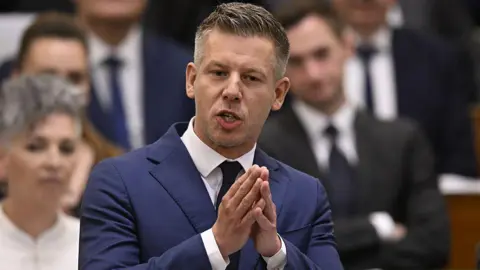
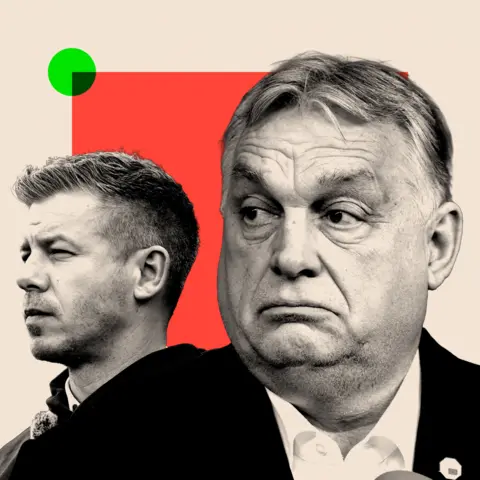
As Hungary prepares for its upcoming elections, Viktor Orban faces an unexpected challenge from the opposition party Tisza, led by Peter Magyar. With recent polls showing Magyar in the lead, the tension is palpable as both sides gear up for a pivotal vote.
Viktor Orban, Hungary's long-standing Prime Minister, finds himself under intense pressure as he faces opposition from the Tisza party led by Peter Magyar in the upcoming parliamentary election. With recent polls indicating the Tisza party leading 58% to Orban's 35%, the campaign dynamics have shifted dramatically. Orban's efforts to rally support and tackle allegations of corruption coincide with a rising voter anger against the perceived ruling elites, further complicating his bid for re-election. This election is more than just a local affair; it symbolizes a broader debate over authoritarianism in Europe.