In brief
Prime Minister Mark Carney says a U.S. last‑minute tariff push was a misstep, pulling Canada from a near‑final trade deal. The move puts Canadian retailers, auto makers and farmers in the line of a new trade war and tests national patience for harsher stances. With most of Canada’s exports heading to the U.S., the new duties and counter‑tariffs could multiply business costs and see province‑wide bans on U.S. alcohol. Polls reveal a split Canadian public, while the U.S. must decide how to respond to Canada’s firm push for an equitable pact.
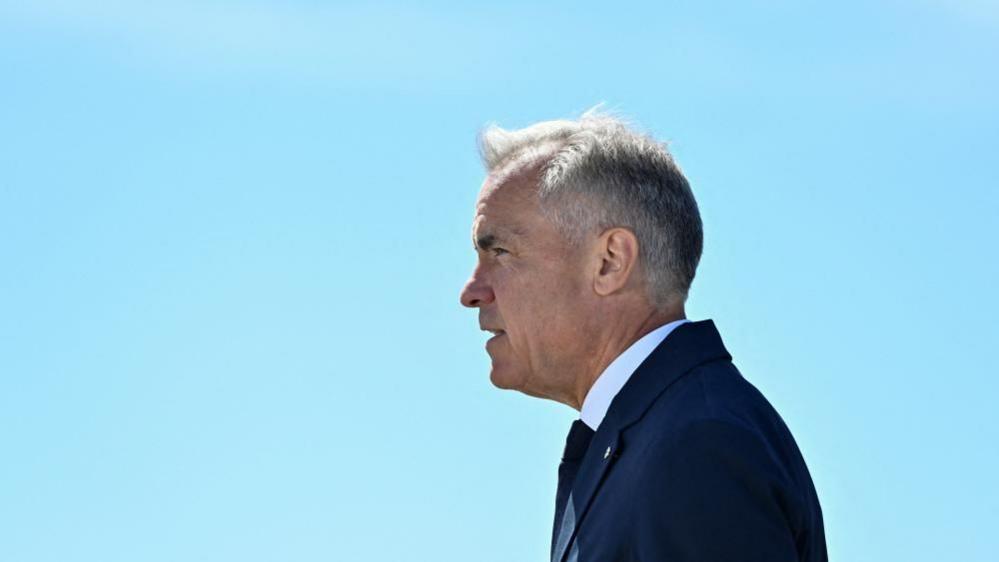
In the world of politics, a single midnight decision can stir the whole country. That’s what happened when Prime Minister Mark Carney announced Canada would grind brakes on a new trade agreement with President Donald Trump.
The deal had gone through a week of nearly‑finished negotiations, but the U.S. tipped the scale by dropping sudden tariff demands on corn, automotive parts and more. Carney called these “unfair, uneconomic” and wrote back that Canada had an “unacceptable” relationship with other nations.
Now Canada faces a real trade war. Roughly 70% of the country’s exports go to the U.S., so every new duty hurts a lot of businesses. Provinces like Ontario, British Columbia, and Quebec have already started to pull U.S. alcohol off shelves, and wine and spirit sales have crashed. The U.S. is losing about C$3.3 bn (US$2.35 bn) in tourism revenue.
Polls show that Canadians are split. About 36% say they would support a retaliatory response, while 56% want the government to go hard‑line and stop making concessions. The ban on U.S. products has even pushed some people to travel away from America.
Carney’s move tests whether Canada can afford the cost of sticking to its promises. People watch closely—both the U.S. response and the next round of talks that may serve as a test for the larger US‑Mexico‑Canada trade pact.