In brief
Canada and the U.S. have been negotiating for weeks, and President Trump and Prime Minister Carney are claiming a deal is in sight to ease trade tensions. The talks have promised benefits for U.S. farmers, Canadian manufacturing, and future North‑American trade. Yet, the exact concessions—tariff cuts, dairy rules, and automotive access—are still unclear. While diplomats say "very happy," the public’s curiosity is growing, as key details remain a mystery.
Canada & U.S. Trade Deal Talk: The Good, The Potential, & The Unknown
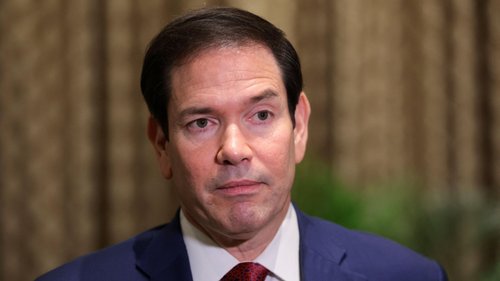
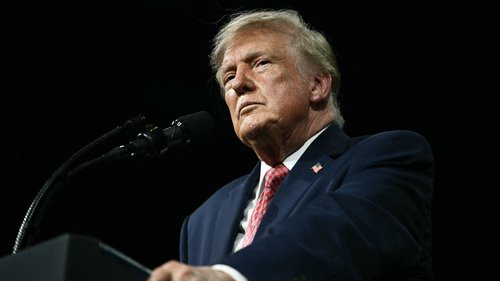
Two countries that trade more than a quarter of their GDP have spent the last few weeks in negotiations to smooth out border‑border issues. Both leaders—U.S. President Donald Trump and Canada’s Prime Minister Mark Carney—are confident they’re close to a deal that will help farmers, manufacturers and the broader economy.
Trump said the agreement will keep U.S. agriculture booming, while Carney promised "best terms" for Canada’s strategic industries. The deal would also stop looming tariffs on Canadian goods that the U.S. had threatened to pull.
But the big question remains: what did each side actually give up? The U.S. wants Canada to drop tariffs on steel, aluminium, cars and lumber, and to open up its dairy market. Canada, meanwhile, wants the U.S. to lift a 50% tariff hike that was scheduled for launch. Both sides also want each other to keep or remove certain trade restrictions, like the ban on U.S. alcohol sales in Canada.
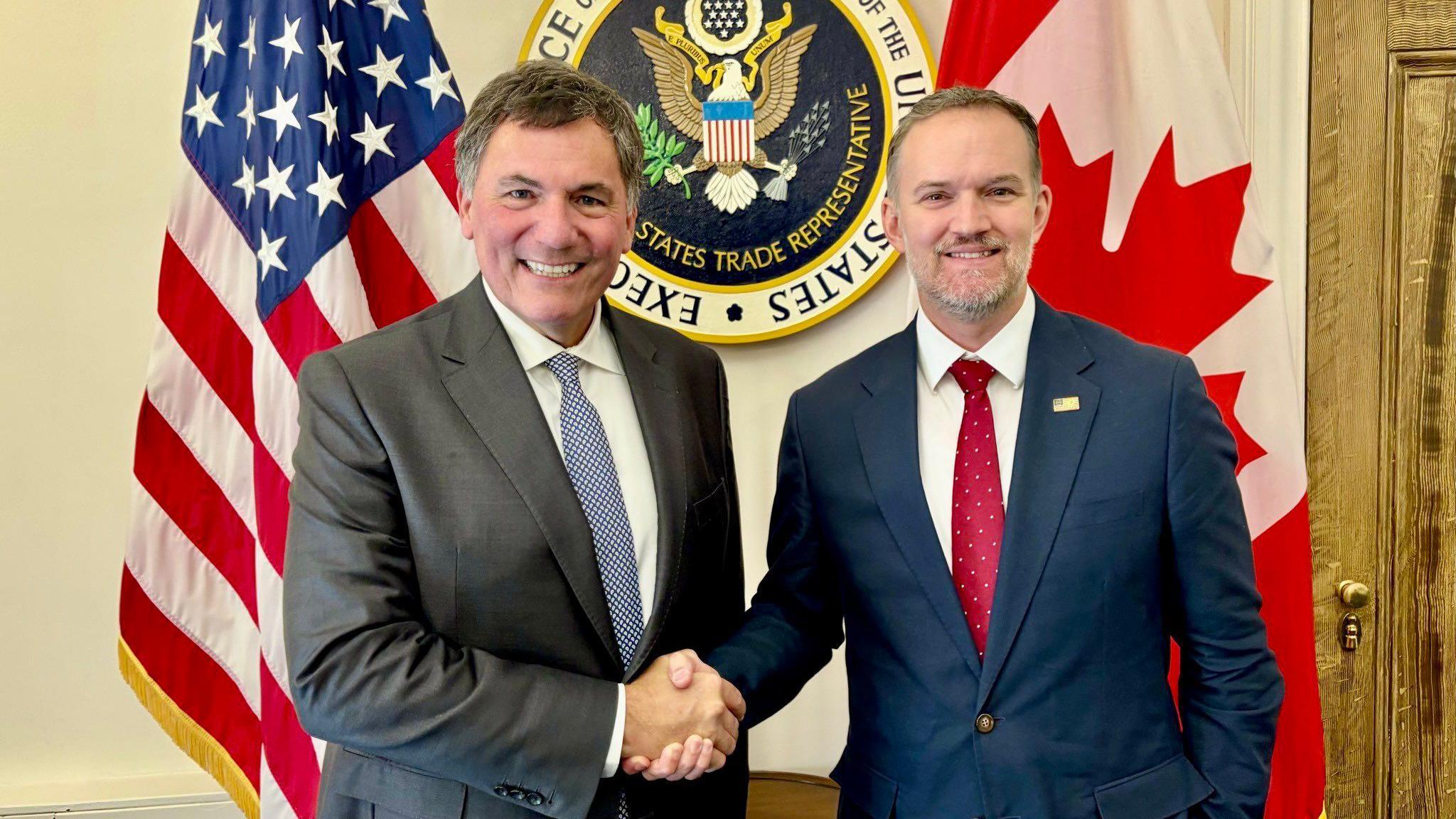
So far the details have stayed tight: no public list exists. U.S. Trade Representative Jamieson Greer claimed they are “very happy” with the talks, promising a full briefing to Congress soon. Canada’s Le Blanc and his team have been in Washington this week, but reports say only a “few concessions” were reached.
- U.S. wants fewer Canadian tariffs on auto and lumber.
- Canada wants soldiers of dairy quotas intact.
- Both sides want less friction in trade operations.
Business groups across both countries say a deal is crucial. Dennis Darby, president of Canadian Manufacturers, says "we’re close".
If the agreement is finalized, it may move Canada-U.S. trading closer to the old USMCA framework, where many goods cross borders freely. Until the full terms are released, fans of trade and economics can only guess what comes next.
What You Should Watch: Keep an eye on the next statements from U.S. Trade Rep Eric Greer and Canada’s Jan‑Lennon Le Blanc to see what the real concessions look like.