In brief
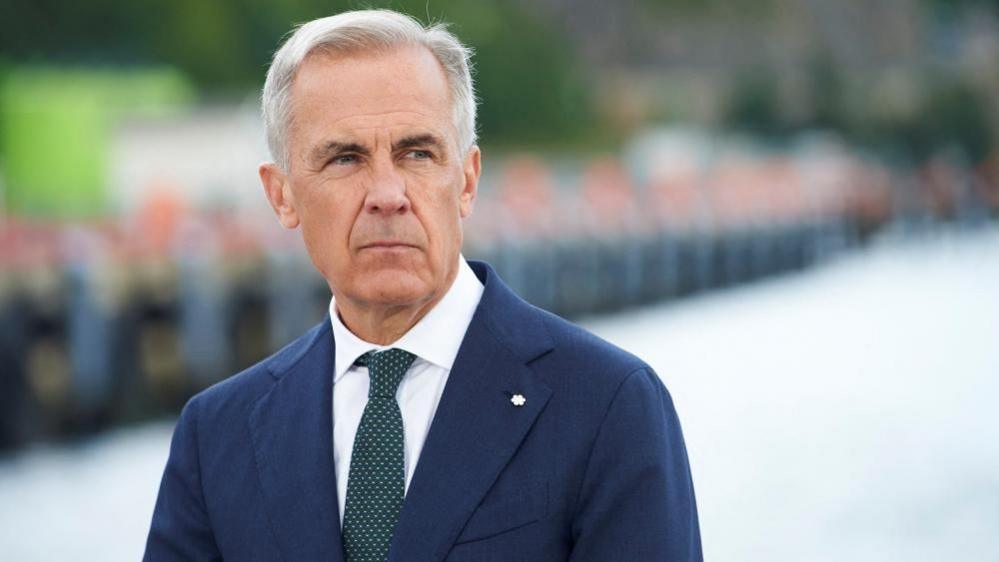
Canadian Prime Minister Mark Carney announced, after a last‑minute breakdown in negotiations, that Canada will impose reciprocal tariffs on U.S. goods "dollar for dollar." The move follows the Trump administration’s 50% tariffs on nearly $20 bn of Canadian imports. Earlier talks had aimed to lower U.S. duties on Canadian steel, aluminium and autos, but new U.S. demands and a halt to alcohol sales triggered the standoff. Canada's plan will hit U.S. products that include wine, dairy and hockey gear. Meanwhile, U.S. trade officials vow actions against any Canadian counter‑tariffs, further raising concerns about the future of the North American trade structure.
Canada says it will match US tariffs "dollar for dollar" as trade talks break down.
At midnight on Saturday, Canada triggered a fresh wave of US tariffs across a wide swath of its exports after a last‑minute collapse in trade negotiations. Prime Minister Mark Carney confirmed that Canada would impose equivalent duties on U.S. goods, matching the 50% levies the Trump administration threatened.
Carney cited "uneconomic" and "unfair" changes in the U.S. terms as the main driver for suspending talks and reaching for a reciprocal response. Negotiations had started in July, after the U.S. warned that almost 20 bn dollars in Canadian imports could face tariffs by 19 August. Though the U.S. briefly paused the rises earlier in the week, negotiations faltered minutes before the set deadline.
The deal that was once on the table would have lowered the U.S. duties on Canadian steel and aluminium from 50% to 25%, and on autos from 25% to 15%. In return, Carney had asked Canadian provinces to lift bans on U.S. alcohol sales. Those talks ended when the U.S. introduced fresh demands and rolled back existing concessions.
The new U.S. tariffs, triggered under the 1930 Tariff Act, target products such as wine, dairy, cement, clothing and hockey gear. Adds to the existing duties on steel, aluminium, autos and lumber, the strike will hit U.S. businesses that heavily rely on Canadian components.
Doug Ford, Ontario's premier, praised Carney’s stance saying, "The prime minister has my full support for a strong response—tariff for tariff, dollar for dollar."
Both sides warn the fallout will damage supply chains, increase consumer costs and threaten jobs tied to the US‑Mexico‑Canada Trade Agreement. Internal polls show 36% of Canadians favor retaliation, while 30% back continued negotiation. U.S. trade officials promise action against Canadian counter‑tariffs, signalling that the trade standoff could widen.