In brief
Canada has embarked on its most significant gun control initiative in decades, a buyback program for assault-style rifles. However, the rollout has faced skepticism from gun owners, non-participation from provinces, and criticisms from even its own officials. Advocates stress the need for a comprehensive ban, claiming that the current measures may not effectively enhance public safety.
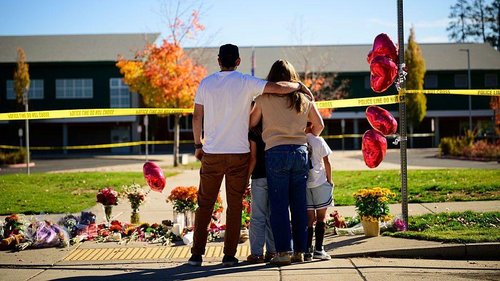
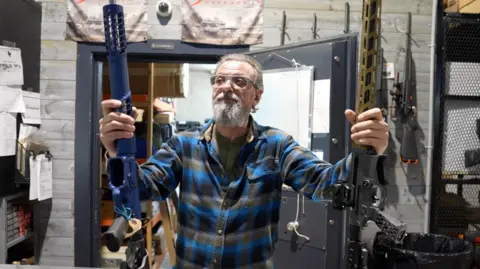
Heidi Rathjen has been calling for a ban on assault-style rifles since 1989, when a gunman opened fire on her classmates at Montreal's École Polytechnique. The shooting, in which 14 women were killed and more than a dozen injured, was a turning point for Canada, changing how the country viewed gun violence. More than two decades later, after another deadly mass shooting in 2020, Ottawa did roll out a ban on some 2,500 models of such 'assault-style' weapons. But a scheme designed to buy back these now-prohibited guns from their owners has had a bumpy rollout, and the program looks likely to miss the mark. Many legal gun owners are distrustful of the process, two provinces have refused to take part, and even gun control activists like Rathjen say the federal efforts, though a win for public safety, are flawed because the ban does not apply widely enough. Without a comprehensive ban on assault weapons, there is no ban, and the money will be wasted, said Rathjen, a spokesperson for gun control advocacy group PolySeSouvient. Even Canada's own minister of public safety, Gary Anandasangaree, was caught criticizing his government's plan in an audio clip leaked to the Toronto Star. The pushback is unfolding in a country that is widely supportive of gun control, as polls suggest that most Canadians believe gun laws in their country are just right or not strict enough. Anandasangaree has expressed the importance of the program, stating that 'these types of weapons do not belong in our communities'. Despite criticisms, the Canadian government intends to move forward with the buyback scheme, which has seen more than 67,000 firearms voluntarily declared by Canadians. However, the road ahead is unclear with two provinces refusing to participate and growing concerns among the populace regarding the effectiveness and fairness of the proposed measures.