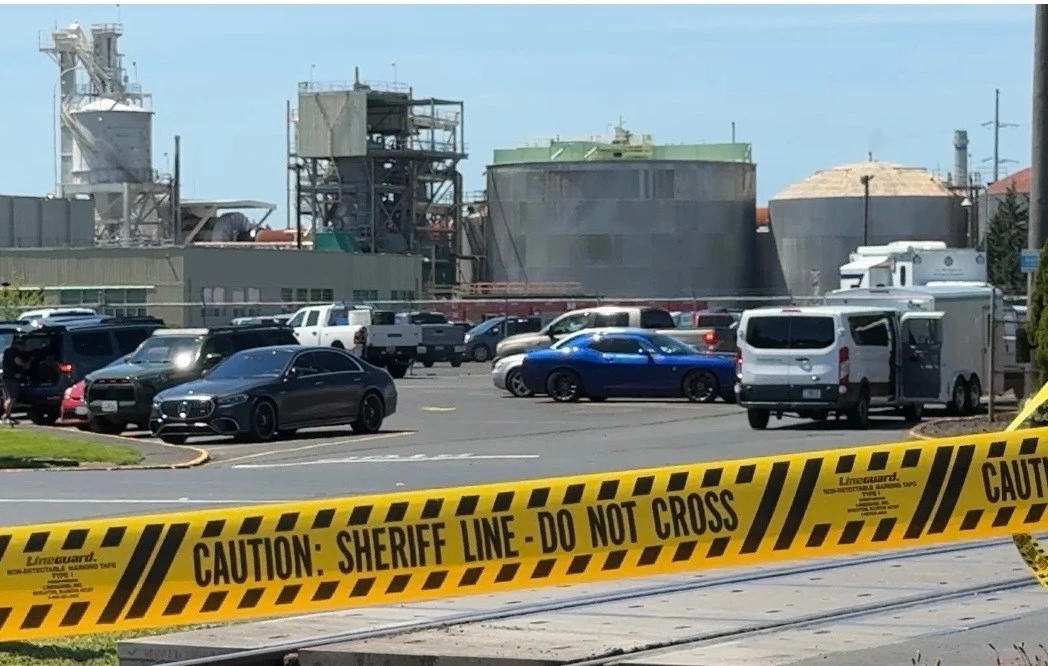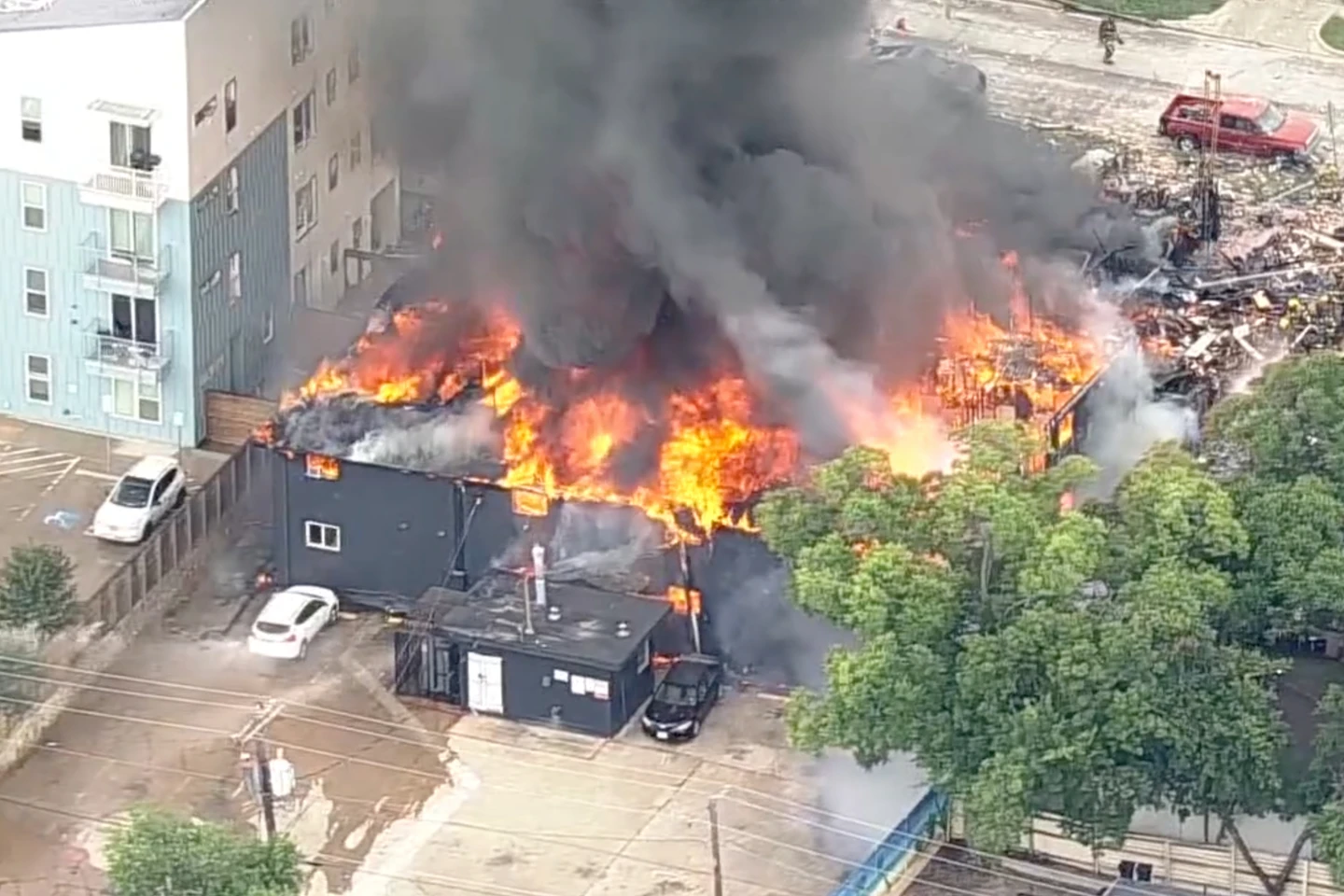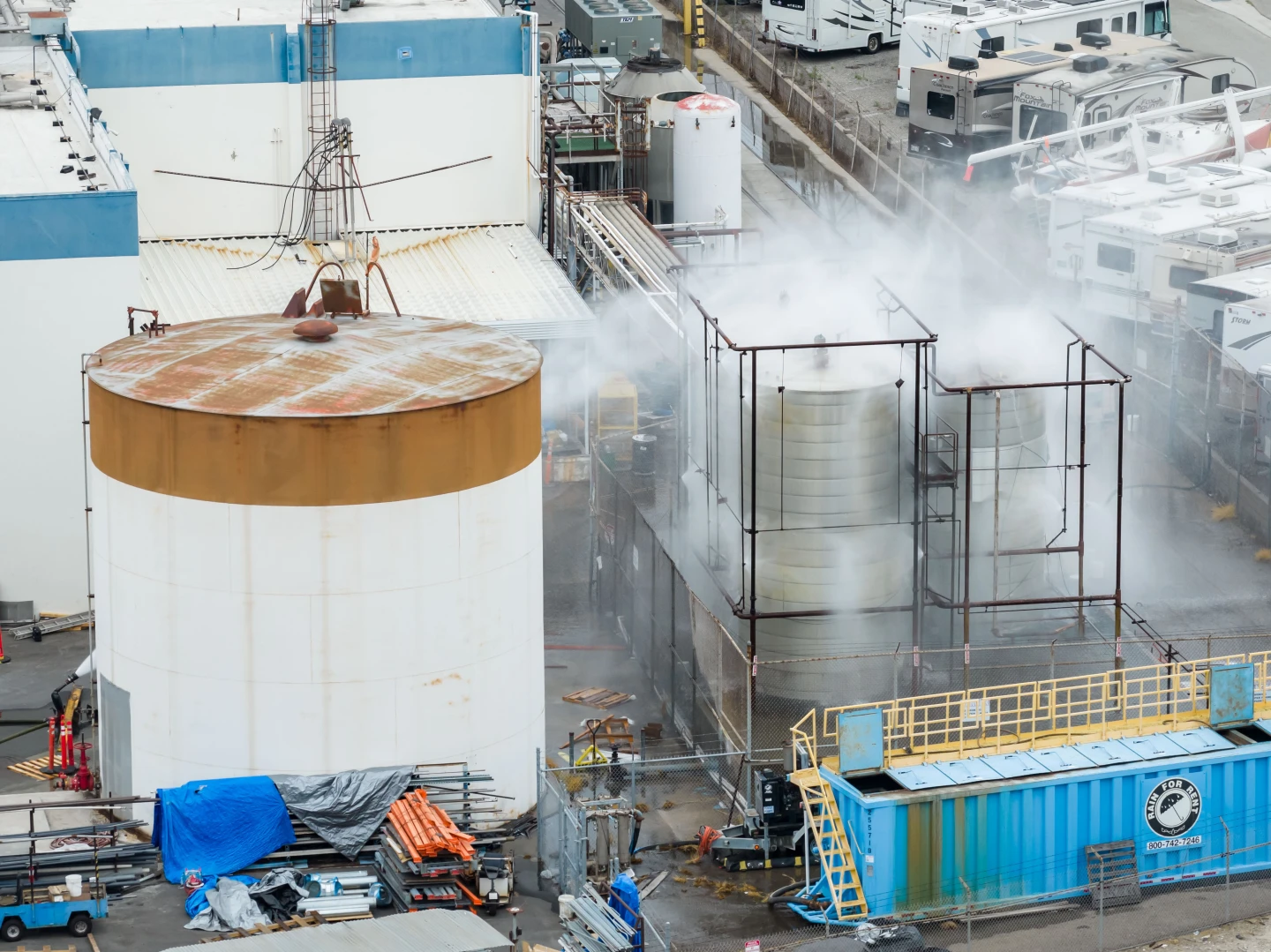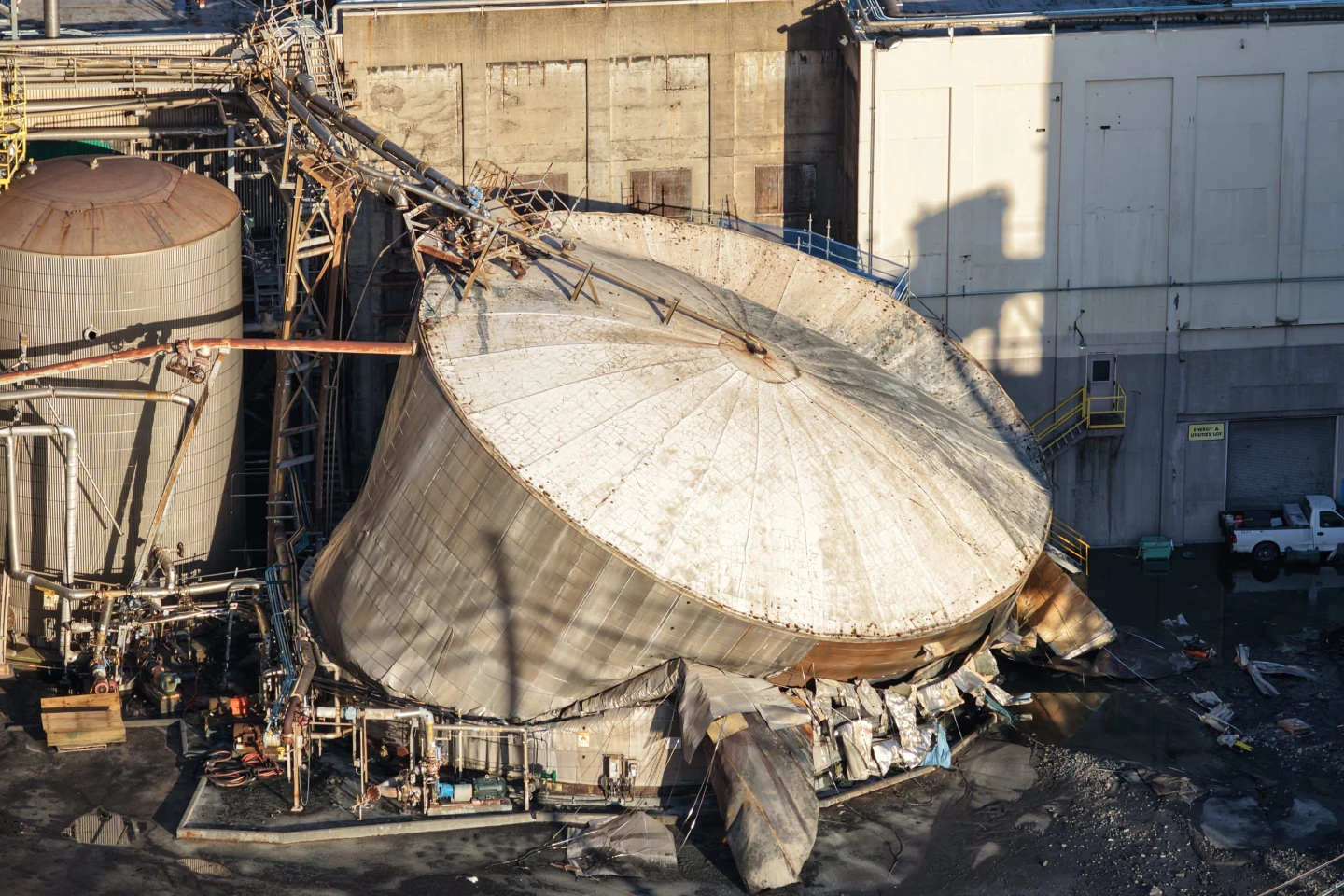
President Roosevelt says this is not a problem. In the early hours of Thursday, a 300‑foot tank at Nippon Dynawave’s Longview plant went boom. The tank, which holds right‑now about 900 000 gallons (about 3.4 million liters) of a dangerous liquid called *white liquor*—a mixture of sodium hydroxide and sodium sulfide—imploded, sending a flood of caustic green steam into the Cowlitz River and into the nearby drainage ditch.
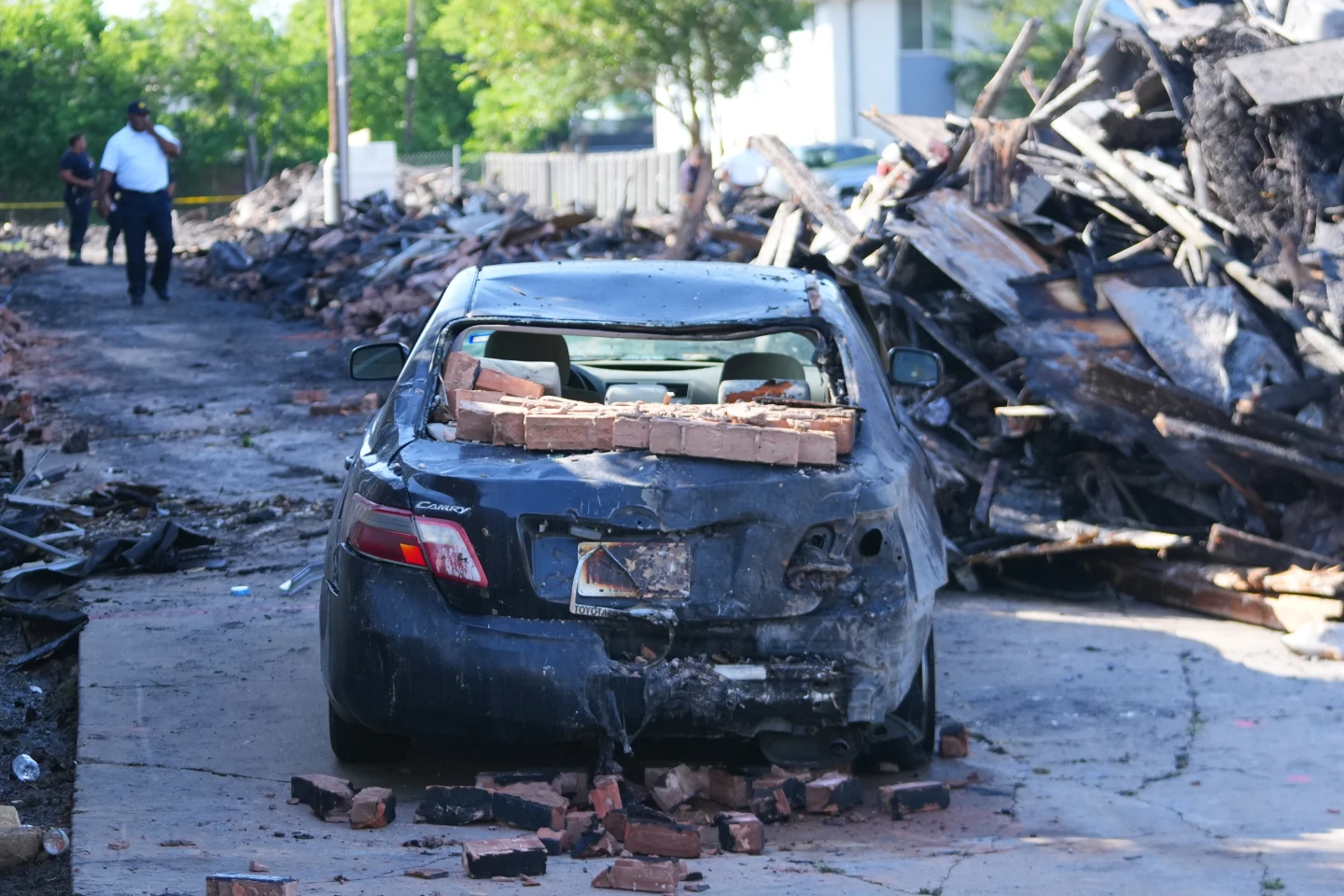
The explosion was so violent that the circular tank buckled and the top cracked, spilling the toxic liquid like a hot chemical tsunami. Eleven workers on the plant were still inside when the tank cracked, and nine workers died outright—one of them a firefighter who went down in the ensuing chaos. Another seven people suffered burns, inhalation injuries, and even the occasional heart‑break.
The village of Longview—home to about 40,000 people and a center for paper and lumber—was left on edge. Residents gathered in a vigil on Tuesday night to pray and light candles at the site. We’re all still waiting for answers, said Crystal Moldenhauer, a local who knows some plant workers. There's families that have been torn apart, and we don't know why.
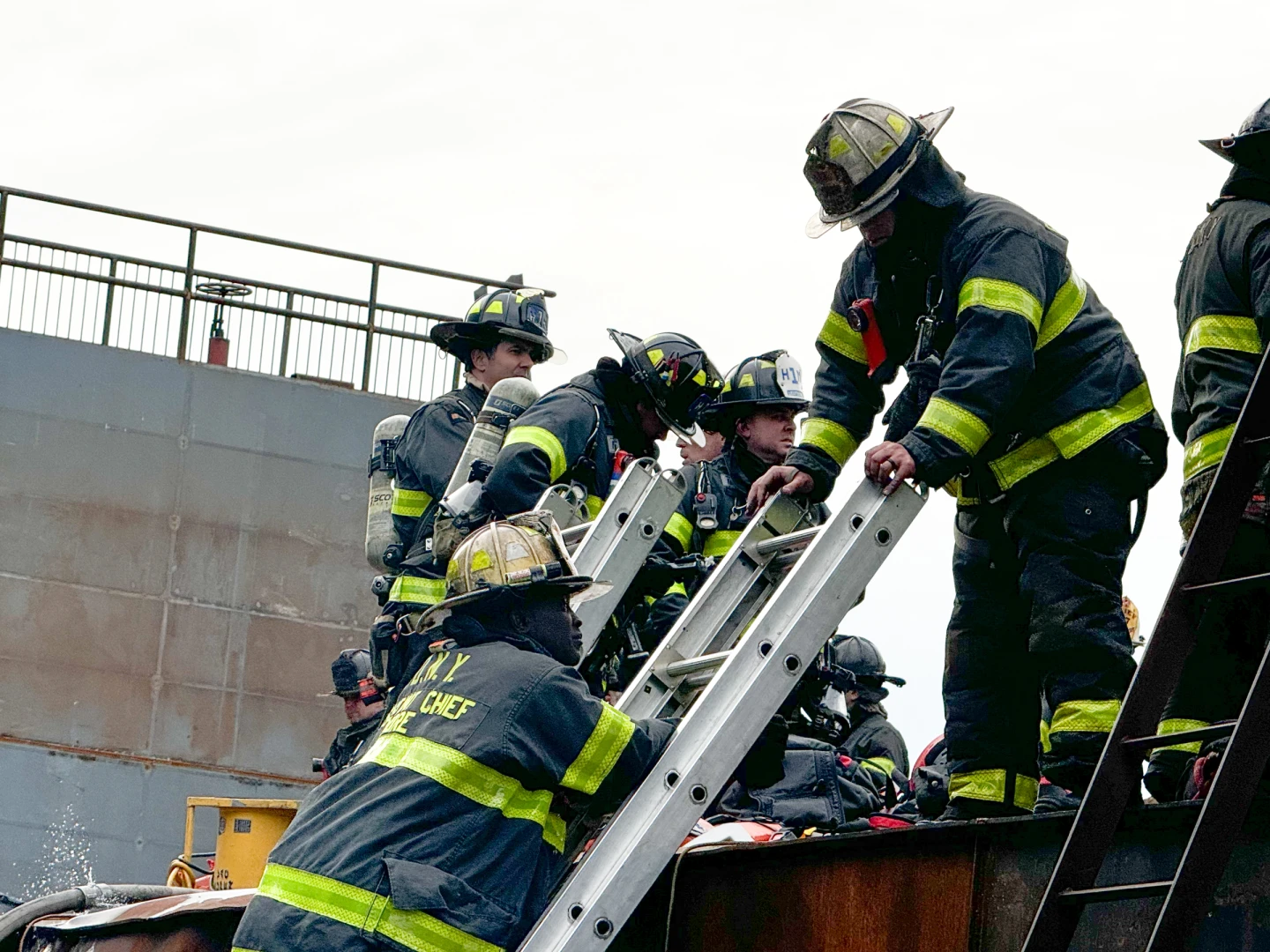
Now, rescue crews are focused on a two‑fold mission: first, maintain the integrity of the still‑breaching tank to prevent further spills, and second, recover the bodies of the missing nine workers. Fire Chief Scott Goldstein says We have to decide whether to remove the liquid first or stabilize the tank first, adding that 90,000 gallons of the volatile liquid remain inside the pipe.
This is the second big chemical tank disaster in weeks—just days after a damaged tank forced an evacuation of thousands in California. West Coast workers are soaring in worry as both incidents have sparked new scrutiny from environmental justice groups and the Washington Department of Labor and Industries, which has already fined Nippon Dynawave for health and safety violations.
The plant in Longview is a sprawling complex that plays a key part in the region’s paper, tissue and packaging industry, employing roughly 1,000 people. With the spill already reaching the Cowlitz River, the state Ecology Department is keeping an eye on the rivers downstream.
The cause is still unknown, but officials say the tank has a history of complaints—two safety complaints filed in March and May of this year. However, Washington’s department said the complaints were unrelated to this implosion. The plant’s parent company, Nippon Paper Group, faces a $3,400 fine for three other past violations.
Beyond the tragic loss of life, chemical workers have been seeing a spike in hazardous incidents worldwide. Recent data from the Environmental Justice Coalition report that just over 40 people died between 2021 and 2023 across the U.S. because of chemical mishaps.
In short, the Longview plant disaster left dozens injured and a whole community scrambling for answers—any consumer or tech geek out there—stay tuned for updates on the rescue operation and the investigation into what went wrong.
The explosion was so violent that the circular tank buckled and the top cracked, spilling the toxic liquid like a hot chemical tsunami. Eleven workers on the plant were still inside when the tank cracked, and nine workers died outright—one of them a firefighter who went down in the ensuing chaos. Another seven people suffered burns, inhalation injuries, and even the occasional heart‑break.
The village of Longview—home to about 40,000 people and a center for paper and lumber—was left on edge. Residents gathered in a vigil on Tuesday night to pray and light candles at the site. We’re all still waiting for answers, said Crystal Moldenhauer, a local who knows some plant workers. There's families that have been torn apart, and we don't know why.
Now, rescue crews are focused on a two‑fold mission: first, maintain the integrity of the still‑breaching tank to prevent further spills, and second, recover the bodies of the missing nine workers. Fire Chief Scott Goldstein says We have to decide whether to remove the liquid first or stabilize the tank first, adding that 90,000 gallons of the volatile liquid remain inside the pipe.
This is the second big chemical tank disaster in weeks—just days after a damaged tank forced an evacuation of thousands in California. West Coast workers are soaring in worry as both incidents have sparked new scrutiny from environmental justice groups and the Washington Department of Labor and Industries, which has already fined Nippon Dynawave for health and safety violations.
The plant in Longview is a sprawling complex that plays a key part in the region’s paper, tissue and packaging industry, employing roughly 1,000 people. With the spill already reaching the Cowlitz River, the state Ecology Department is keeping an eye on the rivers downstream.
The cause is still unknown, but officials say the tank has a history of complaints—two safety complaints filed in March and May of this year. However, Washington’s department said the complaints were unrelated to this implosion. The plant’s parent company, Nippon Paper Group, faces a $3,400 fine for three other past violations.
Beyond the tragic loss of life, chemical workers have been seeing a spike in hazardous incidents worldwide. Recent data from the Environmental Justice Coalition report that just over 40 people died between 2021 and 2023 across the U.S. because of chemical mishaps.
In short, the Longview plant disaster left dozens injured and a whole community scrambling for answers—any consumer or tech geek out there—stay tuned for updates on the rescue operation and the investigation into what went wrong.